
Packing for Kobe in June: Rainy Season Gear and Outfits
Packing for Kobe in June means quick-dry layers, slip-on shoes, and rain gear for humid city streets and the cooler, wetter Rokko slopes during tsuyu.
On this page
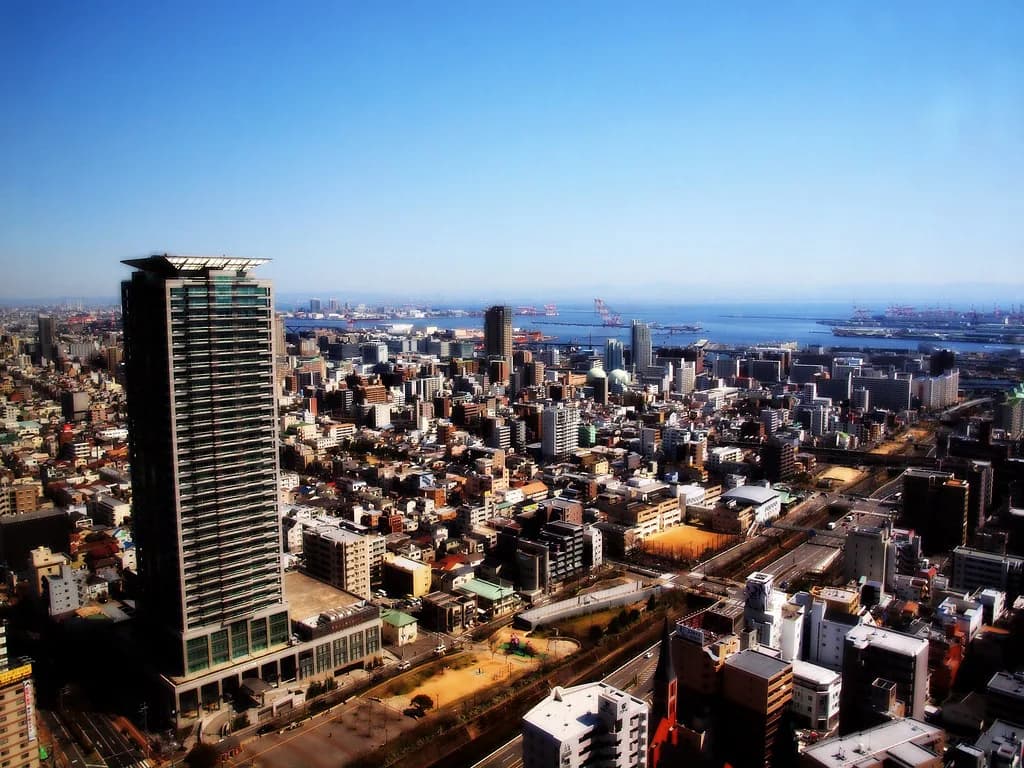
Kobe runs in a narrow strip between Osaka Bay and the Rokko mountains, so a single June day can move from muggy waterfront pavement to a cooler, cloud-wrapped summit within an hour. That geography is the reason a generic summer packing list underperforms here. Your bag has to handle humid city walking and an exposed mountain ridge without doubling in weight.
June falls inside tsuyu, Japan's rainy season, which arrives as intermittent showers and heavy humidity rather than unbroken downpours. The season tends to reach eastern Kansai later than western Japan, so early-June travellers should not assume daily rain. Build your packing around dampness and warmth, then adjust quantities once you check the forecast.
Dealing with wet feet matters more than fancy rain gear. Kobe's hills, temple entries and onsen customs all punish shoes that hold water or refuse to come off. If you want the broader context before you start, the Kobe packing list covers the year-round wardrobe this month builds on.
Why Kobe's Geography Shapes What You Pack
Rokko rises sharply behind the city, so neighbourhoods such as Kitano climb hard from the station, and a short cable car or ropeway ride puts you at a summit that sits in cloud and wind while the harbour below is clear. Arima Onsen lies over the ridge, adding a hot-spring stop to the same day. Treat the city and the mountain as two different climates that share one suitcase.
Between Sannomiya, the waterfront and the slopes you will alternate between sheltered, humid streets and exposed, breezier heights. A light layer you can shed indoors and pull on at the summit solves most of that swing. Choose garments you can wear in layers rather than one heavy piece that is either on or off.
Transit compounds the footwear question. Kansai trains and buses are frequent and easy to use with an IC card, and trains from Osaka and Kyoto run about half an hour, so many visitors base themselves elsewhere and day-trip in. That argues for shoes that survive a full day on their feet and never need re-lacing.
What June in Kobe Actually Feels Like
June in this part of Japan is warm and humid, with rain that comes in waves rather than settling in all day. Conditions vary markedly with region, and Hokkaido, far to the north, largely escapes the humidity that affects the mainland. Treat these as historical seasonal tendencies, not a forecast. Check the current outlook for Kobe before you decide quantities.
Humidity is the real story. Damp air makes a modest temperature feel heavier, and it keeps anything you wash or wear from drying overnight. That single fact reshapes your list: fewer cotton items, more thin layers, and enough socks and underlayers that nothing has to dry in time for tomorrow.
The western-Japan rainy season tends to begin earlier than eastern Kansai, so travellers combining Kobe with Osaka or Kyoto can hit rain at slightly different points in the trip. The guide to travelling in rainy season outlines how tsuyu behaves across regions and why the season produces mist and showers with bright spells between. Plan around the wet windows rather than cancelling outdoor plans.
Kobe residents dress neatly and with a certain cosmopolitan polish, but there is no enforced dress code here. Modest, tidy clothing is a widely followed habit rather than a rule. Pack what you find comfortable and unremarkable.
Start With Fabrics, Not Outfits
In humid rain, fabric choice matters more than the number of outfits. Thin synthetic, merino and technical blends shed moisture and dry overnight; cotton soaks it up and stays heavy and cool against the skin. If you only change one habit for this trip, make it this one.
For a week-long trip, around four tops, two bottoms, one light mid-layer and three or four pairs of socks is a workable base, topped up with a compact umbrella. That volume lets you wear something once, rinse it, and rotate without a full laundry day. Pack fewer items and plan to rewear rather than bringing a top for every day.
Linen photographs beautifully and dries faster than cotton, but it creases badly in a day bag. Quick-dry travel knits crease less, pack smaller and tolerate a rinse in a hotel sink. Choose based on whether you will actually wash items mid-trip; if not, bring more tops and fewer layers.
Outfit Combinations for a Rainy Kobe Day
For a wet morning around Sannomiya and the covered arcades, start with a breathable short-sleeve top, a light long-sleeve layer over it, quick-dry trousers and slip-on shoes with a decent sole. Add a compact umbrella rather than a heavy coat, because the arcades and department stores will have you in and out of the rain all morning.
If the afternoon takes you up to Kitano, keep the same base and swap in a packable rain shell instead of the coat, plus one warmer layer for the hill. Kitano is a steep district of former merchant houses, and some of them ask visitors to remove shoes, which is another point in favour of slip-ons. Plenty of walking happens on the way down, so keep the sole supportive.
A dry indoor afternoon at a museum or memorial needs nothing special beyond the same layers you wore outside. The useful move is having somewhere to put a wet umbrella and damp outer layer so your day bag does not soak everything else. A small waterproof stuff sack solves this for almost no weight.
For the Arima Onsen end of the day, remember that baths are nude and gender-segregated, so swimwear stays at home. Bring a hair tie and a waterproof bag for wet items, and choose a darker towel if you are bringing your own. The mineral-rich water in Arima can mark light fabrics and silver jewellery, so leave delicate pieces behind.
Footwear: City Pavement Versus Wet Rokko Trails
This is the genuine trade-off of a Kobe June trip. Waterproof shoes keep pavement rain out but are heavier, slower to dry once water enters over the top, and warm on humid days. Quick-dry shoes let water in easily but drain and dry fast, which suits a day that passes through several showers and a summit in cloud.
If you plan to walk the Nunobiki or Rokko trails rather than ride up, the ground is earth, root and stone and is often wet, with steps that get slippery. Waterproof hiking shoes with real tread are the better call there. For a trip that stays on paved streets and arcades, quick-dry walking shoes combined with spare socks will keep you comfortable and lighter on your feet.
Whichever you choose, pick shoes you can pull on and off without lacing, because you will remove them at temples, some traditional restaurants, ryokan and every onsen. Rigid lace-up boots fight that habit and stay damp for days. A spare pair of insoles helps a wet shoe dry overnight.
Umbrella or Rain Shell? Use Both, for Different Ground
Japan is an umbrella culture: compact umbrellas are sold everywhere and cost very little, and they handle city rain far better than a jacket does. On humid days an umbrella keeps your torso and bag dry without adding a clammy layer. Carry one in your day bag rather than relying on buying it later.
That changes on the mountain. The summit area of Rokko is exposed and often windy, where an umbrella is awkward and can invert; a packable rain jacket with a hood is the practical choice from June onward. Keep the shell compressed in your bag for the day you head uphill and use the umbrella for everything at sea level.
Pack the shell slightly oversized so it fits over a light layer, and check that the hood stays put in wind. Leave the heavy, stiff raincoat at home; it takes up half a day bag and rarely gets worn on warm, humid days. A thin shell plus a cheap umbrella covers both scenarios for less weight than either alone.
Socks, and More Socks
Socks are the cheapest fix for a wet June day in Kobe. Bring more pairs than you think you need, in quick-drying materials rather than thick cotton, and change them when your feet get damp. One dry pair mid-afternoon resets your whole day.
Because shoes come off at temples, some restaurants and every onsen, make sure every pair in your bag is clean and hole-free; this is a widely observed courtesy rather than a formal rule. Plain dark or neutral socks work everywhere without drawing attention. Roll them tightly to save space in a packing cube.
A small mesh bag for damp socks keeps them away from dry clothing in transit. If you are only packing carry-on, wash socks in the sink rather than bringing a pair per day. They dry faster than any other garment on your list.
A Three- to Four-Day Packing Example
For three or four days, base the list on three quick-dry tops, two bottoms, one light long-sleeve layer, one packable rain shell, a compact umbrella, four pairs of socks, three sets of underwear, slip-on walking shoes and one pair of sandals for onsen towns and hotel evenings. That fills a carry-on with room for a small laundry kit.
Layer quantities rather than duplicating outfits: the same two bottoms work for a wet Sannomiya morning, a hillside afternoon and an indoor evening if the tops are thin and dry fast. Add one warmer mid-layer only if your plans include the Rokko summit, where it can be noticeably cooler and windier than the city. Skip the second jacket.
Keep a waterproof stuff sack, a small towel and a zip bag for wet items in the bag regardless of trip length. If you extend the trip or the rain settles in, top up socks and a spare top locally rather than overpacking from home. Compact umbrellas are inexpensive and available on arrival.
If June is a stop on a longer journey rather than the whole trip, the packing list approach here still applies, but adjust the layer count for the other months you are covering. Readers heading on to cooler seasons will want a different wardrobe entirely; see what to wear in Kobe in November for how the same city changes in autumn.
What to Leave Behind
Heavy cotton denim is the clearest item to drop. It stays wet for a long time in humid air, dries slowly in a hotel room and weighs a lot when packed. Quick-dry trousers or a lightweight skirt handle the same days with far less risk.
Leave swimwear at home if Arima Onsen is on your list, since baths there are nude and swimwear is not used. Also leave silver jewellery and a white towel, which the iron-rich water at Arima can mark. These are practical avoidances rather than rules imposed on visitors.
Bulky rain gear and lace-up boots are next. A stiff raincoat takes space you need for spare socks and a shell, and rigid boots slow you down at every shoes-off entry. One versatile pair of slip-on shoes plus sandals covers more of Kobe than two heavy pairs ever will.
If your trip ends with a cruise departure from Kobe, your outfit needs shift again toward paperwork, terminals and a day bag rather than hills. The Kobe cruise port embarkation day packing guide covers that specific set of decisions separately.
Before You Leave: Check the Forecast, Then Adjust
A few days before departure, check a reliable forecast for Kobe and for the Rokko area separately, since the summit can be cooler, windier and wetter than the harbour. If the outlook shows a settled spell, you can drop a layer or two; if it shows persistent rain, add socks and a second quick-dry top instead of another jacket.
Make the adjustment at the packing-cube level rather than repacking everything. Keep the core layers, footwear and umbrella fixed, and vary only the quantities of socks, tops and underwear. That keeps the list stable while the weather shifts.
Check whether any tide-dependent or weather-dependent activity is on your plan and whether your hotel has laundry or drying facilities, since that changes how many items you need to carry. Small practical details like these decide whether a four-day bag stays a carry-on.
Once June's humidity eases, the same city asks for a different wardrobe, so revisit the packing list when your travel month changes. If your plans slide later into summer rain and heat, what to wear in Kobe in July uses the same layering logic with lighter fabrics.
Pack Light, Dry Fast, Walk Anyway
Kobe in June rewards a small, fast-drying kit over a big, weatherproof one. Thin layers, slip-on shoes, plenty of socks and a compact umbrella will carry you through humid streets, hillside districts and a misty summit without weighing you down.
Decide the footwear question first, then build the rest of the list around it, and split your rain strategy between a cheap umbrella for the city and a packable shell for the mountain. Check the forecast in the last few days and vary quantities rather than the core list. The Kobe packing list covers the full wardrobe behind this month.
More packing guides for Kobe
Frequently Asked Questions
Does it rain a lot in Kobe in June?
June sits inside tsuyu, Japan's rainy season, so expect frequent showers and high humidity rather than constant rain. Rain tends to arrive in intermittent bursts with drier windows between them. The season also reaches eastern Kansai a little later than western Japan, so early-June days can be relatively dry. Check a current forecast for Kobe before you finalise quantities.
What shoes should I bring for Kobe's rainy season?
Choose between quick-dry walking shoes, which let water in but drain and dry fast, and waterproof shoes, which keep pavement rain out but are heavier and slower to dry once water gets inside. If you plan to walk the wet Rokko or Nunobiki trails, waterproof hiking shoes with real tread are the better choice. In both cases pick slip-on styles, since shoes come off at temples, some restaurants and every onsen.
Should I bring an umbrella or a rain jacket for Kobe in June?
Bring both, for different ground. A compact umbrella handles humid city streets and the covered arcades well, and they are easy and cheap to buy on arrival. On the exposed Rokko summit, where it is often windier, a packable hooded rain jacket works better than an umbrella. Keep the shell compressed in your bag until you head uphill.
How many changes of clothes do I need for a few days in Kobe in June?
For three or four days, around three quick-dry tops, two bottoms, one light long-sleeve layer, four pairs of socks and three sets of underwear is a workable base. Humidity slows drying, so prioritise thin fabrics you can rinse and rewear rather than a fresh outfit each day. Add a warmer mid-layer only if the Rokko summit is on your plan.
Sources
Free: The Ultimate Packing Cheat Sheet
A carry-on capsule wardrobe, the complete packing checklist, layering made simple, and what to wear by season — one printable page you'll use on every trip.
You might also like


Continue reading
More guides you'll find useful


