Kobe's Kitano Slopes and Rokko Foothills: What Shoes to Pack
Packing and footwear guide for Kobe's steep Kitano lanes and Rokko foothills: grip, cushioning, waterproofing trade-offs, socks and a short-trip example.
On this page
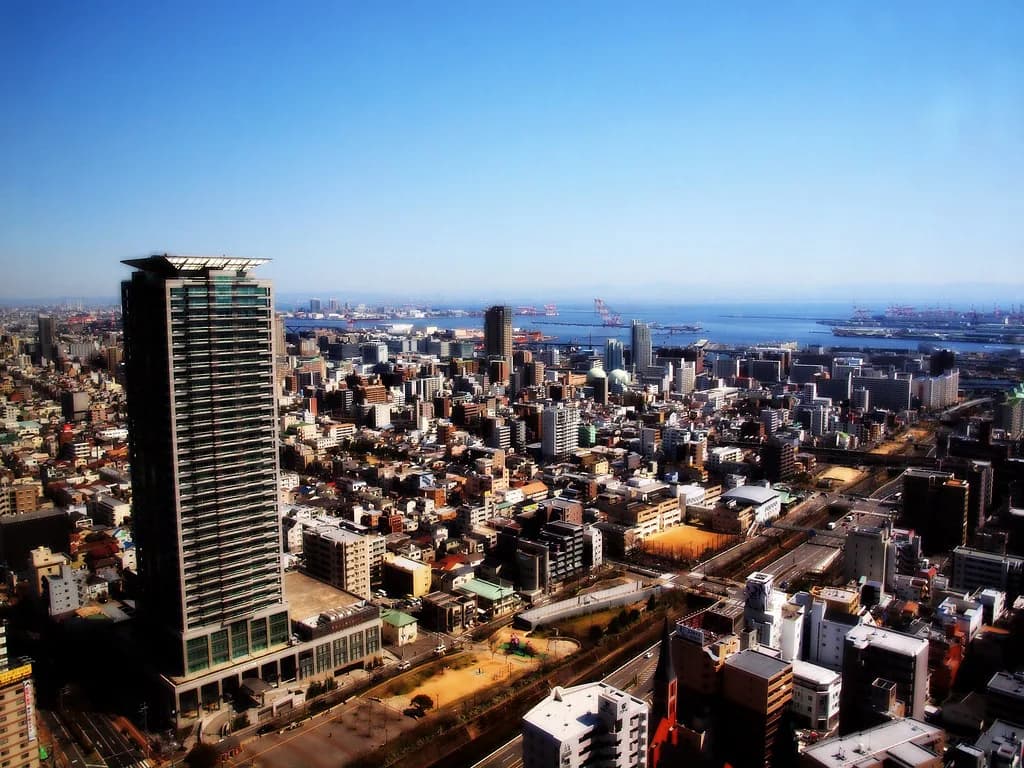
Kobe sits at the foot of the Rokko mountain range, with houses built in well-ordered rows overlooking Osaka Bay, and the Kitano district lies within the city on those rising slopes. That layout means an ordinary day of errands or sightseeing can include stone steps, paved inclines and long downhill stretches between neighbourhoods. Footwear therefore earns more attention here than in a flat city.
The decision comes down to a few practical factors: tread pattern for grip on stepped and varied surfaces, cushioning and support for repeated descents, and only then weather protection. A Kitano walking day and a genuine Rokko trail day are different propositions, because routes in the range include steep slopes and sections with ladders or a climbing rope, which ask for more traction and stability than a historic-lane stroll.
Why Terrain Drives the Shoe Decision
The Rokko range rises directly behind the city, so slopes are part of the everyday layout rather than a rare excursion. Walking up toward Kitano from the Sannomiya side means gaining height on streets and steps, then giving it back on the return. Shoes that feel fine on flat pavement can become tiring once every return leg is downhill.
Treat grip and cushioning as the primary decisions for any Kobe trip that includes hill districts, and treat waterproofing as a secondary, weather-dependent trade-off. It also helps to keep the day bag light, because a heavier pack changes how your feet and knees feel on descents. If you are building a short trip around this, the broader Kobe packing list covers the non-footwear items.
Grip First: Tread for Steps, Descents and Trails
Routes in the Rokko range include steep slopes and sub-routes with ladders or a climbing rope, so the outsole is the most important part of the shoe. A tread with pronounced lugs or a defined pattern bites better on packed dirt and stone than a smooth, fashion-oriented sole. The difference matters most on the way down, when momentum works against you.
Hikers discussing footwear for Japan have noted that some soles give good traction on soil and dry stone but become slippery on wet, damp stone, particularly when it is covered with wet fallen leaves. That is a useful reminder that tread involves trade-offs and that no single pattern suits every surface. On a dry day, the priority is a sole that holds on stone steps and packed dirt rather than a waterproof membrane.
If your plan is limited to Kitano lanes and central city streets, a pair of walking shoes or sturdy trainers with a defined tread is usually enough. If it includes a marked Rokko trail, look for deeper lugs and an outsole that does not feel slick on smooth rock. Choose the shoe for the roughest surface you actually intend to walk on.
Cushioning and Support on Long Descents
Repeated downhill walking loads the front of the foot and the toes, which is why a roomy toe box helps on long descents. A shoe that presses your toes against the front on every step down becomes uncomfortable well before the day ends. Leaving roughly a thumb's width of space in front of the longest toe is a simple fit check.
A firmer heel counter and a slightly more structured midsole can make repeated descents feel more controlled than a very soft, flexible shoe. The trade-off is weight and a little less ground feel, which some walkers prefer on uneven stone. For mixed city-and-foothills days, a low-cut shoe with moderate cushioning is a reasonable middle ground; a mid-cut boot adds ankle coverage but also bulk.
When Waterproofing Is Worth the Weight
Waterproof membranes keep water out but also slow drying once moisture gets inside, whether from rain or from sweat on a warm climb. For short city walks in settled weather, a breathable mesh shoe often dries faster between walking days. For long trail days in wet conditions, a waterproof pair can be the more comfortable choice, provided you accept the slower drying.
Rather than packing waterproof shoes by default, check the forecast shortly before departure and let current conditions decide. If rain is likely during your walking days, the waterproof pair earns its place; if the outlook is dry, the breathable pair is usually lighter and more comfortable. Either way, wear the bulkiest pair in transit so it is not taking up bag space.
Trail Days with Ladders and Ropes
Some Rokko sub-routes include steep slopes with a climbing rope or sections with ladders, which is a different proposition from a district walk. On those routes, secure footing and the ability to place your foot precisely matter more than cushioning alone. A shoe with a stable heel and a sole that grips on rock or packed dirt is the better match.
If your trip includes one of these routes, plan the rest of your footwear around it: the trail pair becomes the primary shoe, and any second pair should be light enough to serve as an evening or city backup. Test your chosen shoes on a few hills before the trip, because new boots or shoes that have never been worn on a descent are a poor choice for a trail day.
Socks and Insoles: Cheap Adjustments That Change Comfort
Socks change how a shoe fits and feels more than most people expect. A thin cotton sock bunches and holds moisture, while a merino wool or synthetic blend wicks better and adds a little cushioning under the heel and ball of the foot. For slope walking, bring at least two pairs so one can dry while the other is in use.
Insoles are another low-cost adjustment: a replacement insole can add arch support or cushioning to a shoe that is otherwise comfortable but feels flat on long descents. If you already have a pair you like, test them in your walking shoes before the trip rather than on the first day in Kobe. Leave the original insoles at home once you have decided, because spares only add weight.
A Short-Trip Packing Example
For a three-day trip that includes one Kitano walking day and one foothills or trail day, a two-pair approach works well. Wear one pair of low-cut walking shoes with a defined tread in transit, and pack one lighter, breathable pair as a backup for evenings or a city-only day. Use the same socks and insoles with both pairs so you are not troubleshooting two different setups.
If the trip is city-only and stays on paved streets, the second pair can be a simple, comfortable walking shoe rather than anything trail-oriented. If the trip includes a genuine Rokko hike with ladders or ropes, reverse the emphasis: make the grippier, more supportive pair the primary shoe and keep the backup minimal. A compact daypack that carries water and a light layer matters more than a third pair of shoes.
What to Leave Behind
Heavy mountaineering boots are overkill for a city-only trip that stays on Kitano lanes and central streets. They add weight in the bag, take up space and feel stiff on pavement. Unless your plan includes a serious trail with steep or rope-assisted sections, leave them at home.
Brand-new shoes that have never been walked in are the other common mistake. A pair you have not tested on a descent may rub, press on toes or feel unstable, and you will discover that on the first steep street. Break in any new pair on local hills before the trip, and leave extra footwear you know you will not wear.
Before You Leave: Check the Forecast
Treat any seasonal description as a tendency rather than a forecast for your dates. Check a reliable weather service a few days before departure and again the day before you fly, then decide whether the waterproof pair or the breathable pair earns its place. If your trip falls in a cooler or rainier stretch, seasonal guides such as what to wear in Kobe in November or what to wear in Kobe in April can help with the rest of the clothing, but footwear still depends on the specific forecast.
Use the same forecast check to decide on socks and layers, since a wet day changes how quickly shoes dry overnight. If you are combining a Kobe stay with a cruise departure, keep your walking shoes accessible rather than buried in luggage, and see the Kobe cruise port embarkation day packing notes for how that day differs from a normal sightseeing day.
Plan Your Visit
For most Kobe trips, the practical answer is one well-fitting pair with a defined tread and enough cushioning for descents, plus a lighter backup if you have room. Add a mid-cut or more supportive option only if your plans include actual Rokko trails with steep or rope-assisted sections. Match the shoe to the roughest surface on your itinerary, not to the average city street.
Pack socks and insoles with the same care as the shoes themselves, break in anything new before you fly, and check the forecast before departure rather than assuming a fixed season. That combination handles the steep lanes of Kitano and the foothills of the Rokko range without weighing down your bag.
Frequently Asked Questions
Are running shoes enough for the Kitano slopes?
For a day spent on Kitano lanes and city streets, a supportive running or walking shoe with a defined tread is often sufficient. The main considerations are grip on stone steps and cushioning for repeated descents, so avoid very smooth-soled fashion shoes. If your day includes a marked Rokko trail with ladders or ropes, choose a shoe with more traction and stability.
Do I need hiking boots for the Rokko foothills?
Not necessarily. Low-cut walking shoes can handle many foothills paths, especially if the route stays on packed dirt and paved descents. A mid-cut boot adds ankle coverage and can feel more stable on uneven ground, but it is heavier and bulkier to pack. Match the shoe to the specific route you plan to walk and to the forecast.
How many pairs of shoes should I pack for Kobe?
Two pairs is usually enough for a short trip: one primary walking pair and one lighter backup for evenings or a city-only day. If your trip includes a serious trail day, make the grippier pair primary and keep the backup minimal. A third pair is rarely worth the bag space.
Is waterproof footwear necessary in Kobe?
It depends on the forecast, not on the season alone. Waterproof shoes help in wet conditions but dry more slowly once moisture gets inside. Check the weather shortly before departure and choose waterproof or breathable based on the walking days you actually have planned.
What socks work best for slope walking?
Socks made from merino wool or synthetic blends tend to manage moisture and cushioning better than thin cotton. Bring at least two pairs so one can dry while the other is in use. Fit matters too: a sock that bunches inside the shoe can cause rubbing on long descents.
Sources
Free: The Ultimate Packing Cheat Sheet
A carry-on capsule wardrobe, the complete packing checklist, layering made simple, and what to wear by season — one printable page you'll use on every trip.
You might also like


Continue reading
More guides you'll find useful