
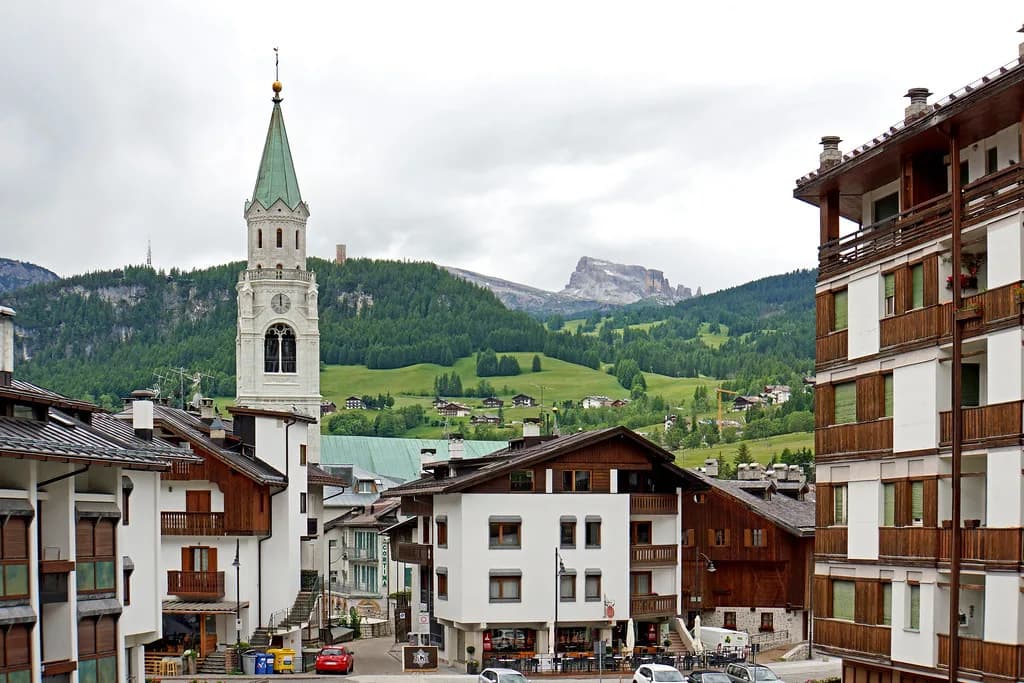
What to Wear in Cortina d'Ampezzo in February: Packing Guide for Ski & Carnival
Planning a February trip to Cortina? Pack smart with our guide to layering for the slopes, dressing for Carnival, and handling those surprising spring-like days.
On this page
Cortina d’Ampezzo in February: the weather in numbers
Typical February conditions from 30 years of daily weather data, split into early, mid and late month so you can match them to your travel dates.
| Dates | Early Feb (1–10) | Mid Feb (11–20) | Late Feb (21–28) |
|---|---|---|---|
| Afternoon high | 2°C (35°F) | 2°C (36°F) | 3°C (38°F) |
| Night-time low | -7°C (20°F) | -7°C (20°F) | -5°C (23°F) |
| Feels like (afternoon) | -2°C (29°F) | -2°C (29°F) | 0°C (31°F) |
| Range of afternoon highs | -4–8°C | -4–8°C | -3–9°C |
| Days with rain | 3 in 10 days | 3 in 10 days | 3 in 10 days |
| Days with snow | 3 in 10 days | 3 in 10 days | 4 in 10 days |
| Afternoon humidity | 46% | 44% | 47% |
| Average wind | 5 km/h | 4 km/h | 4 km/h |
| Daylight | 9.6 h | 10.1 h | 10.6 h |
What this means for your suitcase
- Cold days: a winter coat, hat, gloves and a thermal base layer.
- Snow falls on about 3 in 10 days — waterproof boots with good grip.
- Showers on roughly 3 in 10 days — a packable rain jacket or compact umbrella.
- Day-to-day swings: afternoon highs range from about -3°C to 8°C, so pack for both.
Travelling on specific dates? Use our What to Wear Planner for the weather, outfits and a packing list for your exact days in Cortina d’Ampezzo.
Averages for 1991-2020, modelled from Copernicus ERA5-Land and ERA5 reanalysis via Open-Meteo open data (CC BY 4.0), adjusted to Cortina d’Ampezzo's elevation. Modelled afternoon highs can read 1–2°C below airport weather-station records.
February in Cortina d’Ampezzo is a month of contrasts: you might carve through powdery snow in the morning with temperatures well below freezing, then find yourself strolling along Corso Italia in afternoon sunshine that feels almost like early spring. To make your packing hassle-free, start with a versatile capsule built on layers. For a complete packing list, see our dedicated What to Pack for Cortina d’Ampezzo guide.
Understanding Cortina’s February Climate: What to Expect
Official tourism sources highlight that early to mid-February tends to be the driest period in Cortina, offering ideal conditions for winter sports with minimal interruptions. However, be prepared for significant temperature swings between the village at 1,224 meters (4,016 feet) and the highest slopes at around 2,800 meters (9,186 feet).
While you should expect cold, sunny days, occasional warmer spells can push temperatures above freezing, especially in the village, which makes lighter layers useful. The key is to err on the side of versatility: carry layers that you can easily shed as the day warms or as you descend from the mountains. Always check the current weather forecast and avalanche bulletin before heading out, as conditions can shift rapidly.
The Layering System: The Foundation of Your Cortina Wardrobe
A sound layering system is non-negotiable for February in the Dolomites. Start with a merino wool or synthetic base layer that wicks moisture away from your skin—this is the workhorse of your entire kit. Over that, add an insulating mid-layer such as a fleece or lightweight down jacket, which provides warmth without bulk. Finish with a windproof and waterproof outer shell to protect you from snow, wind, and the occasional warm-weather drizzle.
The beauty of layering is its adaptability: you can peel off the mid-layer when the sun breaks through or when you drop into town. For a February-specific twist, consider a stylish sweater or cardigan as your mid-layer for days spent exploring Corso Italia, ensuring you look polished between activities. This layering system also works well for Carnival, where you can add festive pieces over your regular clothes.
Ski & Snowboard Outfits: Technical Layers for the Slopes
For days on the pistes, your layering system takes on a technical edge. Start with a breathable base layer—merino wool or a high-quality synthetic—to keep you dry during intense runs. Over that, add an insulated mid-layer, such as a lightweight down jacket or fleece, which you can unzip as you warm up. Your outer shell should be waterproof and breathable, with sealed seams and pit zips for ventilation on warmer afternoons.
When choosing ski pants, opt for insulated or shell trousers with side vents—they let you regulate temperature without having to change. For maximum flexibility, a pair with removable suspenders or a high-back design works well with your layers. Don’t forget a thin thermal neck gaiter and a beanie that fits under your helmet, both essential for the exposed chairlift rides.
Après-Ski and Town Wear: Stylish Looks for Corso Italia and Beyond
After the slopes, Cortina transforms into a glamorous mountain town. For après-ski, a pair of slim-fit dark jeans or corduroy trousers paired with a chunky cashmere or wool sweater strikes the perfect balance between comfort and style. A statement belt and a quilted jacket or shearling-lined coat add polish without sacrificing warmth. This is the moment to bring out the pieces that don’t come off the slopes.
When you head out for dinner or a stroll along Corso Italia, a dressier outfit works: think merino turtlenecks, tailored trousers, and elegant ankle boots—or, for women, a velvet midi skirt layered over fleece-lined tights. Heels are not your friend on icy pavements; instead, opt for chunky-heeled boots with good grip. If you are considering a longer winter visit, you might also review our January edition: What to Wear in Cortina d’Ampezzo in January.
Carnival Dress: Adding a Festive Layer to Your Packing
February in Cortina often coincides with Carnival, a time of parades, masquerade balls, and vibrant street festivities. To join the fun without adding bulk to your suitcase, think of your costume as a layer over your regular warm clothes. A lightweight cape, a decorative mask, and a sequined top or shimmering scarf can be packed flat and thrown over your base layers when the celebrations begin.
For outdoor events where you’ll be standing or walking, prioritize comfort: a festive sweater with a Venetian mask and a colorful hat may be all you need. If you’re attending a masquerade ball, check with your venue for any dress code expectations—some may require full costumes, while others encourage simply wearing a mask. Since official event details vary, verify dates and themes locally closer to your trip.
Footwear: Walking, Skiing, and Everything In Between
Footwear takes up precious luggage space, but three pairs should cover all February scenarios. First, your insulated, waterproof ski boots—wear these on the slopes. Second, a pair of comfortable, waterproof ankle boots with non-slip soles that you can wear for walking around town and to dinners. Third, a pair of stylish, low-heeled leather boots for the dressier evenings and Carnival events. If you plan to explore the icy streets, consider adding crampons that you can slip over your boots.
For the plane and any travel days, wear your heaviest boots to save weight in your bag. Opt for styles that can transition from hiking paths to cobblestone streets without missing a beat. And remember, a well-broken-in pair is far better than brand new boots that cause blisters—test them at home before you leave.
Accessories for the Alps: The Details That Matter
Accessories can make or break your comfort in the high mountains. A warm, windproof hat or beanie covers your head, while a merino wool scarf or neck gaiter protects your face from biting winds. Invest in touchscreen-compatible gloves so you can use your phone without exposing your fingers, and bring a pair of mittens for extra warmth on the coldest days.
Sunglasses and sunscreen are essential—the sun’s glare off heavy snow can be intense, and you’ll spend plenty of time outdoors at high altitude. Lip balm with SPF and moisturizer will protect your skin from the drying cold. For Carnival nights, a small clutch or crossbody bag keeps your essentials accessible while dancing; choose one that complements your costume layers.
Packing Example: One Bag for a Week in Cortina
A week in February can be handled with a single carry-on suitcase and a backpack if you plan carefully. Roll your items to save space: pack two base layers, four wool or synthetic t-shirts, two fleece or thin down mid-layers, one waterproof shell, and two pairs of insulated trousers. Include three pairs of warm socks, moisture-wicking underwear, and your ski leggings. For the town, bring two pairs of jeans or comfortable trousers, and a few sweaters or turtlenecks.
Don’t forget a compact puffer vest for extra warmth that doesn’t take up much room, and a lightweight packing cube to organize your accessories. If you plan to participate in Carnival, add that lightweight costume piece and a mask. Leave bulky items like extra jackets at home—your layering system will handle the range of conditions.
What to Leave Behind: Common Packing Mistakes
Avoid packing jeans without any stretch—they don’t layer well and are uncomfortable for long outdoor days. Likewise, leave behind cotton t-shirts and socks, as they absorb moisture and lose insulation when wet; choose wool or synthetics instead. Steer clear of bulky, non-compressible coats that eat up your luggage space—your layered system is far more versatile.
Leave formal dress shoes at home unless you have a special event with a strict dress code; you’ll almost always be fine in elegant, comfortable boots. Avoid packing anything that can’t handle getting snowy or wet, like suede shoes without protection. And don’t overpack: you will likely find that you wear the same core items repeatedly, so focus on quality over quantity.
Pre-Departure Weather Check: Where to Look
Before you leave, check the detailed weather and avalanche forecasts for the Dolomites to understand the conditions for your travel dates. The official Cortina tourism website publishes these updates, which are crucial for planning your ski days safely. Also, consult the live webcams and open lifts report to see the current snow coverage and decide which areas to explore.
Even with favorable forecasts, remember that mountain weather can change quickly, especially when moving between altitudes. If you’re driving from Venice or another nearby city, also check road conditions and any chain requirements. Pack a small emergency kit with snacks, water, and a headlamp just in case you get delayed, and always let someone know your itinerary for off-piste excursions.
Final Thoughts for a Stylish February
February in Cortina rewards flexibility: a layered wardrobe that works for snowy peaks, spring-like village afternoons, and Carnival celebrations will see you through the week. Stick to versatile pieces in natural materials, and you’ll be ready for any forecast.
Plan your outfit around your daily activities, keep an eye on the weather report, and don’t be afraid to mix sporty and chic. With these packing strategies, you’ll enjoy all that this glamorous mountain town has to offer in style. For more detailed guidance, refer to our comprehensive What to Pack for Cortina d’Ampezzo guide before you go.
Frequently Asked Questions
What are some good outfits to wear to Italy in February?
In Italy in February, especially in northern destinations like Cortina, layering is key. A typical outfit includes a warm base layer, a stylish sweater, and a waterproof coat. Bring comfortable boots suitable for walking and potential snow, and accessorize with scarves and hats. For evenings, opt for elegant but practical attire such as dark jeans and a cashmere sweater.
Is it cold in Cortina d'Ampezzo?
Yes, February in Cortina is cold, with average lows around -10°C (14°F) and highs just above freezing, though warmer periods can occur. The village itself is milder than the slopes, but you’ll still need warm layers and a good coat. Always check the forecast before your trip as conditions can vary significantly from year to year.
How not to dress as a tourist in Italy?
To avoid standing out as a tourist in Italy, steer clear of overly casual athletic wear in town, such as gym leggings or baseball caps. Instead, opt for tailored trousers, stylish sweaters, and quality outerwear. Keep colors neutral and avoid fast-fashion logos. Also, ensure your footwear is both fashionable and practical, as Italy is all about walking.
Is it a good time to visit the Dolomites in February?
Yes, February is an excellent time to visit the Dolomites for winter sports enthusiasts. The snow is typically reliable and plentiful, and there are often clear, sunny days perfect for skiing. Plus, you may get to experience Carnival festivities if you visit around that time. Just be prepared for cold temperatures, especially at higher altitudes.
Sources
Free: The Ultimate Packing Cheat Sheet
A carry-on capsule wardrobe, the complete packing checklist, layering made simple, and what to wear by season — one printable page you'll use on every trip.
You might also like


Continue reading
More guides you'll find useful


