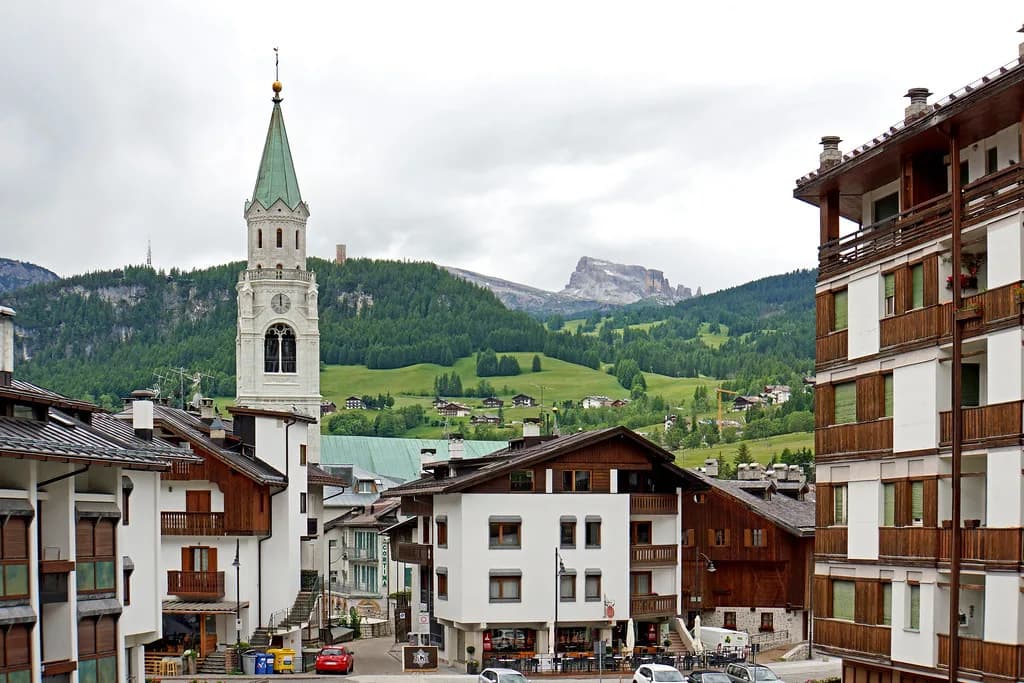
What to Wear in Cortina d’Ampezzo in December
Plan your winter packing with our guide on what to wear in Cortina d’Ampezzo in December. Get tips for ski gear, stylish evenings, and icy village strolls.
On this page
Cortina d’Ampezzo in December: the weather in numbers
Typical December conditions from 30 years of daily weather data, split into early, mid and late month so you can match them to your travel dates.
| Dates | Early Dec (1–10) | Mid Dec (11–20) | Late Dec (21–31) |
|---|---|---|---|
| Afternoon high | 3°C (37°F) | 1°C (34°F) | 1°C (33°F) |
| Night-time low | -5°C (23°F) | -7°C (20°F) | -7°C (19°F) |
| Feels like (afternoon) | -1°C (30°F) | -3°C (27°F) | -3°C (27°F) |
| Range of afternoon highs | -3–7°C | -4–6°C | -4–6°C |
| Days with rain | 3 in 10 days | 3 in 10 days | 3 in 10 days |
| Days with snow | 3 in 10 days | 3 in 10 days | 3 in 10 days |
| Afternoon humidity | 50% | 47% | 47% |
| Average wind | 4 km/h | 4 km/h | 4 km/h |
| Daylight | 8.5 h | 8.4 h | 8.4 h |
What this means for your suitcase
- Cold days: a winter coat, hat, gloves and a thermal base layer.
- Snow falls on about 3 in 10 days — waterproof boots with good grip.
- Showers on roughly 3 in 10 days — a packable rain jacket or compact umbrella.
- Day-to-day swings: afternoon highs range from about -4°C to 6°C, so pack for both.
Travelling on specific dates? Use our What to Wear Planner for the weather, outfits and a packing list for your exact days in Cortina d’Ampezzo.
Averages for 1991-2020, modelled from Copernicus ERA5-Land and ERA5 reanalysis via Open-Meteo open data (CC BY 4.0), adjusted to Cortina d’Ampezzo's elevation. Modelled afternoon highs can read 1–2°C below airport weather-station records.
December in Cortina d’Ampezzo is a mix of early ski season and festive village life, where the Alps meet an upscale, fashion-forward culture. You could find fresh powder on the slopes one day and a mild, sunny afternoon warm enough for a café terrace the next, so your wardrobe needs to flex between mountain performance and Dolomites style. For the full year-round packing context, see the What to Pack for Cortina d’Ampezzo guide.
This guide focuses on what to wear in December: the foundation layers, the insulated gear for skiing, the polished outfits for the village, and the boots that keep you upright on ice. Because December weather can vary from deep cold to a thaw, the smart move is to build a capsule that layers well rather than pack one outfit for a single forecast.
Understanding Cortina’s December Weather and Atmosphere
Cortina sits at around 1,200 meters in the Veneto Dolomites, a position that guarantees genuine winter conditions while the village retains a sophisticated resort character with designer boutiques and elegant dining. The month sees the ski lifts opening for the season while the town dresses up for the holidays, making it a destination where you’ll move from a gondola to a polished dinner in the same day. Travelers who visit in winter often note that sunny days can feel milder than expected, especially at high altitude, so layering is essential. For a sense of what seasoned visitors pack, the My Adventures Across the World winter guide recommends a proper ski jacket, thermal layers, and sturdy boots as non-negotiable for a cold-weather trip.
The key to December dressing is anticipating both crisp Alpine mornings and warmer afternoons when the sun feels strong. Check the extended forecast before you leave, but also pack for a possible thaw – layers let you shed a fleece or unzip a shell without being caught out. Cortina’s stone-paved center can be dry one day and icy the next, so your footwear needs to handle both, whether you’re heading to the Christmas market or the ski lift.
The Foundation: Thermal Base Layers for the Mountain Altitude
Start every outfit with a good base layer against your skin. Merino wool or a synthetic thermal top wicks moisture off your body, keeping you dry whether you’re hiking uphill on skis or walking briskly through town. A long-sleeve crew and a pair of thermal leggings are worth their weight, as they add warmth without the bulk of a second sweater.
For skiing, a proper thermal layer set is non-negotiable because you’ll generate heat on the slopes and then stop for lunch in a rifugio, when sweat can quickly chill you. Choose a snug but not tight fit, and avoid cotton, which soaks up sweat and leaves you cold. You can wear the same base under your après outfit on colder evenings, so it pulls double duty.
Mid Layers: Insulating Fleece and Chic Knitwear for Slopes and Town
Above your base, add a mid layer that provides insulation and can be easily removed when the sun comes out. A thin fleece or a quilted vest works well under a shell on the mountain, while a chunky knit sweater or a cashmere pullover is right for the village, where style matters as much as warmth. The trick is to pack two distinct mid layers: one technical for skiing, one fashionable for evenings.
If you’re planning time at the Christmas markets, a fine merino sweater under a padded jacket reads more refined than a puffy fleece, and it takes up little room. For the slopes, a fleece with a zippered collar seals out drafts beneath your ski jacket, and you can unzip it on warmer runs. When the temperature spikes in a thaw, you can drop the mid layer entirely and rely on your outerwear.
Outerwear: A Technical Ski Shell and a Stylish Down Coat
Ideally you’ll have two distinct outer layers for December in Cortina: a technical ski jacket for the mountain and a longer, insulated coat for the village. Your ski jacket should be waterproof and breathable, with sealed seams and a powder skirt to keep snow out on deep days, plus enough insulation for when you’re standing still on a chairlift. A style with a hood protects your neck on windy descents, and plenty of zippered pockets secure your phone, ski pass, and lip balm.
In town, a knee-length down or synthetic parka reads as polished and is arguably warmer for slow strolls than a short ski jacket. Cortina’s high-fashion vibe means you’ll see elegant wool coats and shearling jackets, but a minimal, well-cut puffer fits the occasion and packs flat. If you’re limited on luggage, choose one heavyweight coat you can layer over a light shell – but accept that switching between slopes and town will be less seamless.
Ski Essentials: Insulated Trousers, Jacket, Gloves, and Goggles
For actual skiing, insulated ski trousers are a must – nothing else substitutes for them, as everyday jeans or leggings will soak through and freeze on the first run. GORE-TEX or similar waterproof-breathable fabric keeps you dry, and a little insulation limits the layers underneath. If you plan to ski hard, you might prefer shell trousers and rely on your mid layers, but for a December holiday of mixed days, insulated pants are more forgiving.
Your ski jacket should have enough pockets to safeguard a smartphone, ski pass, chapstick, and sunscreen – the sun reflects strongly off snow. Pair it with waterproof ski gloves or mittens, a neck gaiter or buff, and goggles that block glare on bright days. Even if you’re only trying a few runs, bring ski socks that reach your knees, because they make ski boots far more comfortable and keep your shins warm.
The Après-Ski Look: Polished Yet Cozy for Evenings and Fine Dining
When the lifts close, Cortina’s dress code skews upscale casual – think dark jeans or tailored trousers, a fine knit sweater, and a clean boot rather than après-ski puffer pants. Many travelers bring a pair of flannel or corduroy pants, a stylish shirt or sweater, and a statement coat to slip over the same base layer they wore that morning. This is where a cashmere or lambswool jumper earns its keep in your carry-on. For a more polished look, consider style tips from Editorialist’s guide to the Dolomites, which suggests a shearling coat and fur scarf for evenings out.
For women, a knitted dress or a pair of wide-leg trousers with a turtleneck and heeled but practical boots reads effortlessly chic; men can lean into tailored knits and dark denim. Keep accessories refined – a wool scarf, leather gloves, and a crossbody bag that doesn’t scream outdoors. You don’t need a tuxedo, but you’ll feel comfortable in restaurants where the other diners clearly value style.
Navigating the Village: Warm Footwear with Reliable Grip for Ice and Snow
December pavements in Cortina can turn to ice, so your footwear choice is as much about grip as it is about warmth. Choose lace-up leather boots with a rubber sole that offers real traction – laces let you snug them over thicker socks, and a heel is safer on slick surfaces than a flat sole. Avoid casual slip-ons or fashion sneakers unless you’re certain the paths are dry; a bad fall would ruin your trip.
Insulate those boots with wool or thermal socks, and pack a backup pair of socks for days when snow melts into your boots. For walking around town, look for boots with a tread pattern that bites into snow, and consider treating leather with a waterproofing spray before you go. If you plan to join a guided winter hike to a lake like Sorapis, you’ll need the same grip plus a sturdier ankle support – for those, check the conditions with your hotel or a local guiding company rather than improvise.
What to Keep Out of Your Luggage: Bulky Items That Weigh You Down
Avoid packing a separate heavy sweater for every evening and instead rely on two or three knit layers you can rotate. Leave behind formal wear unless you have a specific event booked, and skip bulky jeans that stay wet for days; prefer quick-dry trousers or wool-blend fabrics. A single large puffer coat may be warm, but if it doesn’t layer over your ski shell comfortably, it will hog space and be too hot indoors.
Also leave out heavy books, extra pairs of shoes, and toiletries you can buy locally – every kilogram counts when you’re manoeuvring icy steps and narrow shop aisles. If you’re only skiing a few days, consider renting ski equipment at the resort rather than hauling your own, especially if you’re flying into Venice. For a short weekend, a 40-liter backpack can carry everything you need if you commit to capsule pieces.
Compact Packing: Bag Options and Volume-Saving Layering
For a four- or five-day December trip, aim for a rolling suitcase around 55–60 liters or a large backpack, keeping in mind that ski gear eats volume quickly. Roll your knitwear and thermal layers rather than folding, and stuff socks and gloves inside your ski boots to use every gap. A compression sack for your puffer coat can cut its volume in half and free room for other essentials.
One traveler’s weekend checklist, as shared in a guide, includes ski pants, ski jacket, ski gloves plus an extra pair for town, a hat and scarf, ski socks, thermal underwear, a long-sleeve top, a thick sweater, cozy pants, a flannel shirt, a warm extra jacket, and good walking boots. Notice how each piece can be worn again in a different combination – the flannel works for an àpris dinner as much as the slopes. Use that same logic: every item you pack should pair with at least two others. For additional packing inspiration, see the Where and Wander guide to Cortina for seasonal tips.
Final Pre-Departure Weather Check and Flexible Wardrobe Tips
A few days before you leave, check a reliable weather forecast for Cortina and the Dolomites, and look at the snow report for the lifts you plan to use. If the forecast turns milder than expected, you can still wear your ski layers as separates – a softshell jacket over a T-shirt works on a sunny day, and you can skip the heavy insulation. Conversely, if a cold snap is coming, you’ll want to add an extra mid layer; many lightweight options pack small enough to bring on a whim.
Always verify specifics like whether your hotel has a ski room and laundry service, or whether you’ll need to air-dry base layers overnight – that influences how many you bring. For more advice on layering and the same resort in other months, see the guide for What to Wear in Cortina d’Ampezzo in January.
Plan Your Visit
Packing for Cortina in December is about balancing the two sides of the holiday season: active days on the snow and stylish evenings in a historic village. Build your suitcase around a core of thermal layers, versatile knits, a real ski shell, and a chic insulated coat, and you can mix and match your way through any weather.
Keep your feet safe with lace-up grip boots, skip the excess that weighs you down, and check the short-term forecast before you go so you can fine-tune your kit. With the right wardrobe, you’ll be ready to hit the slopes and stroll the festive streets in equal comfort and style.
Frequently Asked Questions
Is it cold in Cortina d’Ampezzo in December?
December in Cortina brings winter conditions typical of an Alpine resort at around 1,200 meters. Expect cold air, especially at night, and snow that can fall in town as well as on the slopes. That said, sunny days can feel milder, so layering is the best strategy to adapt to changing conditions during your visit.
What outfit is appropriate for an evening in Cortina?
Cortina’s evening vibe is upscale casual. Think slim jeans or tailored trousers, a fine knit or flannel shirt, and clean boots or low heels. A stylish coat over your outfit works for walking to dinner, and accessories like a scarf and leather gloves add a polished touch without being overdressed.
Should I pack a separate ski jacket and a town coat?
If you plan to both ski and spend time in the village, having a technical ski jacket and a separate insulated town coat is ideal because they serve different purposes. Ski jackets prioritize waterproofness and freedom of movement, while town coats offer a more refined look and often more warmth for standing around. If space is tight, a single waterproof insulated jacket can work for both, but you’ll compromise on style and maybe warmth.
What kind of boots are best for icy village streets?
Choose lace-up leather or waterproof boots with a rubber sole that has real tread for grip on ice. Laces let you compress the boot over thicker socks, and a slight heel can actually help on slippery stones. Avoid flat fashion sneakers; they lack traction and offer little warmth.
Sources
Free: The Ultimate Packing Cheat Sheet
A carry-on capsule wardrobe, the complete packing checklist, layering made simple, and what to wear by season — one printable page you'll use on every trip.
You might also like


Continue reading
More guides you'll find useful