What to Wear in Cortina d’Ampezzo in November
Discover what to wear in Cortina d’Ampezzo in November. Pack warm layers, a waterproof coat, and sturdy boots for cold, damp days and crisp Alpine nights.
On this page
Cortina d’Ampezzo in November: the weather in numbers
Typical November conditions from 30 years of daily weather data, split into early, mid and late month so you can match them to your travel dates.
| Dates | Early Nov (1–10) | Mid Nov (11–20) | Late Nov (21–30) |
|---|---|---|---|
| Afternoon high | 9°C (47°F) | 6°C (42°F) | 4°C (40°F) |
| Night-time low | 2°C (35°F) | -1°C (29°F) | -3°C (27°F) |
| Feels like (afternoon) | 6°C (43°F) | 3°C (37°F) | 1°C (34°F) |
| Range of afternoon highs | 4–14°C | 1–10°C | -2–9°C |
| Days with rain | 4 in 10 days | 4 in 10 days | 3 in 10 days |
| Days with snow | 3 in 10 days | 3 in 10 days | 3 in 10 days |
| Afternoon humidity | 56% | 53% | 52% |
| Average wind | 4 km/h | 4 km/h | 4 km/h |
| Daylight | 9.6 h | 9.1 h | 8.8 h |
What this means for your suitcase
- Cold days: a winter coat, hat, gloves and a thermal base layer.
- Snow falls on about 3 in 10 days — waterproof boots with good grip.
- Heavy downpours are common — quick-dry clothes and shoes or sandals that cope with puddles.
- Day-to-day swings: afternoon highs range from about 0°C to 12°C, so pack for both.
Travelling on specific dates? Use our What to Wear Planner for the weather, outfits and a packing list for your exact days in Cortina d’Ampezzo.
Averages for 1991-2020, modelled from Copernicus ERA5-Land and ERA5 reanalysis via Open-Meteo open data (CC BY 4.0), adjusted to Cortina d’Ampezzo's elevation. Modelled afternoon highs can read 1–2°C below airport weather-station records.
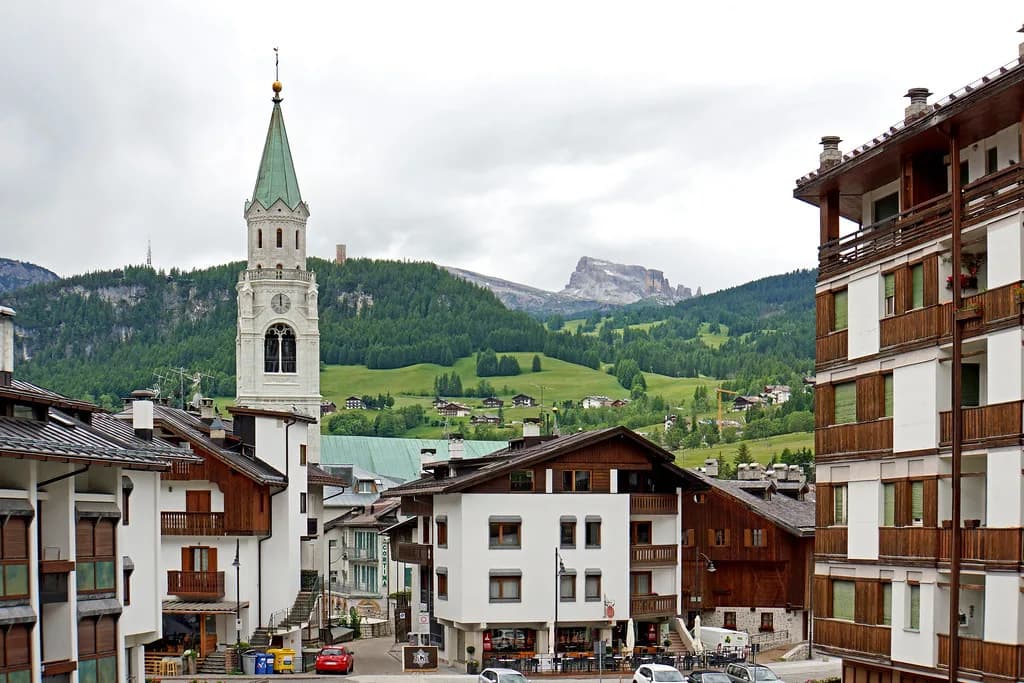
Cortina d’Ampezzo in November is an in-between season: the summer crowds have gone, the ski lifts are winding down for maintenance, and the town exhales into a quiet rhythm. Days are short and often damp, with temperatures that can fluctuate from just above freezing to below, and the air carries a raw chill that can feel sharper than the thermometer suggests. Packing well for this shoulder season means preparing for cold, humid conditions and the possibility of early snow, rather than expecting the crisp, sunny days of winter.
Your wardrobe should do double duty: keep you warm on a slow morning walk past the sparkling dressed windows and through the cobbled streets, then transition seamlessly to a relaxed dinner by the fire. The key is to pack a compact kit of mix-and-match layers and a few high-quality pieces that work for both. This guide to what to wear in Cortina in November focuses on practical combinations, material trade-offs, and a minimal packing list so you can travel light without sacrificing comfort.
November Weather in Cortina d’Ampezzo
Historically, November in Cortina is cold and damp. Climate data from climate-data.org shows average high temperatures around 2.3°C (36°F) and lows around -4.4°C (24°F), though sunshine and precipitation can vary from year to year. The official Cortina tourism site notes the village sits at about 1,224 meters (4,016 feet), so even mild valley conditions can feel different once you step outside, and humidity often makes the cold feel more penetrating.
According to the same tourism site, November is actually the most humid month, with relative humidity reaching up to 73.4 percent. That dampness, combined with temperatures hovering around freezing, means you’ll feel the chill through your clothes more than you might expect. Snow is possible but not guaranteed; rain is more common in the valley, so waterproofing is essential.
The Dolomites’ weather can shift quickly, especially as you move to higher elevations, and the local tourism office advises checking updated forecasts and the avalanche bulletin before any mountain activity. For planning purposes, expect short daylight hours in November, with sunrise after 7 a.m. and sunset before 5 p.m. These conditions mean you’ll likely be outdoors in the coolest parts of the day, so warm layers become non-negotiable.
The Layering Strategy: From Base to Outer Shell
Layering is the only way to manage Cortina’s variable November days, where a foggy morning can give way to a bright, cold afternoon. Start with a thermal base layer – merino wool or a synthetic blend – that wicks moisture and traps heat close to your skin. Merino is a better choice for multi-day trips because it resists odors, but synthetic options dry faster if you plan to hand-wash on the road.
Over your base, add a mid-layer such as a wool sweater or a lightweight fleece. Wool sweaters are ideal because they provide substantial warmth without bulk and naturally regulate temperature when you move between the outdoors and heated interiors. A thin down vest can add core warmth without interfering with arm movement, making it a versatile addition for walks that end in a café or museum.
Your outer shell should protect against wind and moisture while allowing heat to escape. A breathable waterproof jacket that you can pack away is useful when showers are intermittent, but in November a more substantial insulated coat often works better as the main outer layer. Plan your base, mid, and outer layers as a system you can adjust through the day, rather than relying on one heavy piece.
Choosing a Winter Coat for the Dolomites
A good winter coat is the cornerstone of your November packing list. The primary trade-off is between a down-insulated jacket, which offers excellent warmth-to-weight ratio, and a synthetic-insulated or wool coat, which performs better when wet and is often easier to clean. For the damp, cold conditions of November, synthetic insulation or a wool-blend coat with a waterproof membrane can be more practical than down, which loses its loft when it gets soaked.
Length matters more than you might think. A hip-length jacket is fine for quick errands or walks, but a longer coat that reaches mid-thigh provides extra coverage and traps heat around your core and upper legs. Since November can bring cold winds down the valley, look for a coat with a high collar or a hood, and make sure it has adjustable cuffs to keep the chill out.
If you prefer to travel with a single coat that works for both town and mountain, choose one that’s versatile enough for both. Many visitors find that a technical parka – with a thin insulating layer and a waterproof outer – works well. Alternatively, you can bring a lightweight puffer jacket to wear under a shell or over a sweater when you need a little extra warmth.
Waterproof Footwear: Your Most Important Decision
Your footwear choice can make or break a November trip to Cortina. With rain, melting snow, and slushy streets, you need shoes that are comfortable for walking and entirely waterproof. A pair of insulated waterproof boots with good grip is the most versatile option, suitable for everything from a stroll along Corso Italia to a short hike on valley trails.
Look for boots with a leather or synthetic upper and a waterproof membrane – such as Gore-Tex or a similar breathable lining. Traction is crucial because temperatures around freezing create patches of black ice, especially in the morning and on shaded pavement. Deep lugs and a rubber sole with good grip will help you stay stable on icy or wet surfaces.
If you prefer a less bulky option for dining out, consider bringing a pair of waterproof ankle boots with a low heel, but that means carrying an extra pair. In most cases, one good pair of waterproof boots can do everything you need in November. Do not bring mesh or fabric sneakers – they’ll soak through quickly and make your feet cold and miserable.
Indoor Layers and Evening Outfits for Dinners
When you step inside a restaurant or your hotel, you’ll be glad you dressed in layers because indoor heating can feel quite warm. A simple approach is to wear a thermal top and a wool sweater, with a coat you can easily remove. For dinners, a smart-casual look with a nice sweater, dark jeans or trousers, and clean boots fits in at most places in Cortina.
You don’t need to pack formal evening wear unless you’re planning to dine at a Michelin-starred venue. Instead, bring one outfit that feels a bit dressier: perhaps a cashmere or merino turtleneck, a pair of tailored wool trousers, and low-heeled boots. That same outfit can be dressed down with a pair of jeans for a casual lunch.
Because November evenings can be really cold, a stylish but warm wrap, scarf, and a pair of gloves make it possible to walk from your hotel to the restaurant without a taxi. Choose accessories that match your coat and bring an extra layer that can double as an indoor cardigan if you feel cold in a drafty room.
What to Pack for Quiet Walks Around Town
A typical November day in Cortina might involve a slow breakfast, a walk to the main square to see the shops, perhaps a visit to a café or a small museum, and then a longer walk along the valley roads. For these activities, your layers will work well: thermal base, wool sweater, insulated coat, and a pair of comfortable waterproof boots. Add a warm hat and a scarf, since at around -2°C (28°F) exposed skin feels cold quickly.
You may want to bring a small backpack or a crossbody bag to carry water, snacks, and a camera. A backpack is easier to wear over a bulky coat than a shoulder bag, and it lets you adjust your layers by stashing a fleece or a hat when you go indoors. Choose a bag with water-resistant fabric to protect your belongings if it rains.
If you plan on walking more than a few kilometres, consider adding a pair of microspikes or traction cleats. While these are not always necessary, they can be helpful if you encounter icy stretches on paths that haven’t been treated. They are small and light enough to carry in your daypack for peace of mind.
What to Leave Behind
November is not the time for bulky ski gear unless you’re certain the slopes are open, and carrying heavy equipment for a side trip may be more hassle than help. Leave behind your ski jacket and salopettes unless you have a confirmed ski booking; instead, your regular winter coat and waterproof pants are enough for snow play in town.
Similarly, skip formal wear, high heels, and delicate fabrics that don’t handle moisture well. A full makeup kit may be unnecessary, but do carry a sunscreen – the sun reflecting off snow can be strong even in cool weather, though you’ll spend less time outdoors. And leave behind any cotton garments for outdoor wear; cotton stays wet and does not insulate when damp.
Finally, avoid overpacking shoes. One pair of waterproof boots plus a pair of comfortable shoes for the car or plane is all you need. The same rule applies to jackets: one good coat plus a lightweight packable shell is sufficient, which saves space for the wool sweaters that will see constant use.
A Compact Packing List for a 3-4 Day Trip
Based on the layering strategy above, here is a practical list for a three or four-night stay. Base: two or three thermal tops (merino or synthetic). Mid: two wool sweaters and one fleece or vest. Outer: one insulated waterproof coat and one thin packable jacket. Bottom: two pairs of warm trousers (e.g., fleece-lined) or jeans, plus one pair of casual pants for dinner. Footwear: one pair of waterproof boots.
Add accessories: a warm hat, a scarf, two pairs of gloves (one thin, one insulated), and wool socks (enough for each day). For sleep and indoor wear, include a pair of comfortable loungewear or pajamas and slippers. Unless your hotel provides robes, consider packing a lightweight bathrobe or extra fleece for lounging.
This list totals to about one medium suitcase or a large carry-on, leaving room for purchases. If you’re traveling with a carry-on only, wear your bulkiest items – coat, boots – on the plane, and roll your sweaters tight to save space.
Before You Go: Checking the Forecast and Conditions
Because November conditions can vary from dry and bright to wet and snowy, check the forecast a few days before departure and again just before you fly. The official Cortina tourism website publishes current weather and webcams, and the local tourist office can provide updates on road conditions and lift status – though note that many lifts close for maintenance between seasons.
Travelers’ forums from TripAdvisor suggest that many mountain cable cars are closed in early November, so plan for valley activities rather than high-altitude excursions. If you do want to hike, be prepared for trail conditions that may be icy or snow-covered and always ask locally about current conditions before setting out.
Pack expecting the coldest end of the range – around -2°C (28°F) at night – and you’ll stay comfortable no matter what the forecast brings. A quick final check of the local weather website and your accommodation’s advice will help you adjust your packing right before you leave.
Plan Your Visit
November in Cortina d’Ampezzo is a quiet time to enjoy its alpine atmosphere without the crowds. With a well-thought-out kit of warm layers, a reliable waterproof coat, and sturdy boots, you’ll stay comfortable whether you’re strolling the family-run shops, enjoying a long lunch, or taking in the mountain views from a bench. Follow the local weather updates and adjust your layers – and your plans – to suit the day.
This guide should help you pack for a chilly, damp week at 1,224 meters. For a fuller overview of packing for other seasons, see our comprehensive guide to what to pack for Cortina. And if you’re returning in heavier winter snow, consider what to wear in January for the colder months.
Frequently Asked Questions
What is the weather like in Cortina d'Ampezzo in November?
In November, Cortina d'Ampezzo experiences cold and humid conditions with average highs around 2.3°C (36°F) and lows around -4.4°C (24°F), according to historical data. Humidity is at its peak, making the air feel damper, and rain or early snow is possible. Expect short daylight hours as winter approaches.
What should I pack for Cortina in November?
For Cortina in November, pack thermal base layers, a few wool sweaters, a warm waterproof coat, and insulated waterproof boots. Also include a hat, scarf, gloves, and comfortable clothing for relaxing indoors. Focus on versatile pieces that can be layered for changing temperatures.
Do I need waterproof shoes for Cortina in November?
Yes, waterproof shoes are essential for Cortina in November because rain, melting snow, and slush are common. Look for insulated waterproof boots with good traction to keep your feet dry and stable on wet and icy surfaces.
What do people wear for dinner in Cortina in November?
For dinner in Cortina in November, people typically wear smart-casual attire. A nice sweater, dark jeans or trousers, and clean boots are appropriate. For warmer evenings, a knitted dress or a button-down shirt with a cozy cardigan works too.
Sources
Free: The Ultimate Packing Cheat Sheet
A carry-on capsule wardrobe, the complete packing checklist, layering made simple, and what to wear by season — one printable page you'll use on every trip.
You might also like


Continue reading
More guides you'll find useful