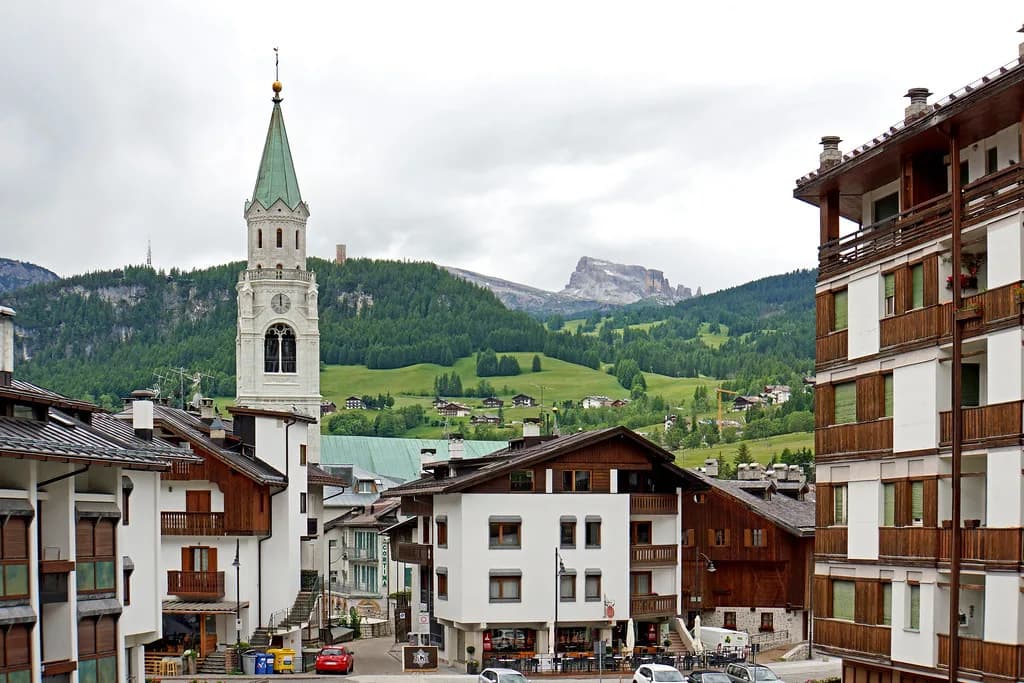
What to Wear in Cortina d'Ampezzo in October: Packing for Cool Alpine Days
October brings crisp air, golden larches, and possible snow flurries to Cortina. Learn what to pack to stay warm and dry, with layers for hikes and style for town.
On this page
Cortina d’Ampezzo in October: the weather in numbers
Typical October conditions from 30 years of daily weather data, split into early, mid and late month so you can match them to your travel dates.
| Dates | Early Oct (1–10) | Mid Oct (11–20) | Late Oct (21–31) |
|---|---|---|---|
| Afternoon high | 14°C (57°F) | 12°C (54°F) | 11°C (51°F) |
| Night-time low | 6°C (43°F) | 4°C (39°F) | 2°C (36°F) |
| Feels like (afternoon) | 12°C (53°F) | 10°C (50°F) | 8°C (47°F) |
| Range of afternoon highs | 9–18°C | 6–18°C | 5–16°C |
| Days with rain | 5 in 10 days | 3 in 10 days | 3 in 10 days |
| Days with snow | 1 in 10 days | 1 in 10 days | 2 in 10 days |
| Afternoon humidity | 55% | 52% | 52% |
| Average wind | 4 km/h | 4 km/h | 4 km/h |
| Daylight | 11.2 h | 10.6 h | 10.1 h |
What this means for your suitcase
- Cool days: a warm sweater and a proper jacket — think wool or a light insulated coat.
- Snow falls on about 1 in 10 days — waterproof boots with good grip.
- Heavy downpours are common — quick-dry clothes and shoes or sandals that cope with puddles.
- Day-to-day swings: afternoon highs range from about 6°C to 17°C, so pack for both.
Travelling on specific dates? Use our What to Wear Planner for the weather, outfits and a packing list for your exact days in Cortina d’Ampezzo.
Averages for 1991-2020, modelled from Copernicus ERA5-Land and ERA5 reanalysis via Open-Meteo open data (CC BY 4.0), adjusted to Cortina d’Ampezzo's elevation. Modelled afternoon highs can read 1–2°C below airport weather-station records.
October in Cortina d’Ampezzo sits in an appealing sweet spot: the summer crowds have thinned, the larch forests have turned a fiery gold, and the air carries that first crisp hint of winter. Yet this shoulder month is also unpredictable, with mornings that can feel almost wintry and afternoons that tempt you to shed a layer. What you pack will determine how much you enjoy those serene trails and atmospheric village evenings.
Between valley strolls and higher-altitude hikes, your clothing needs to cover a wide range of conditions. The key is a flexible layering system—thermal base layers, insulating mid-layers, and a reliable waterproof shell—paired with footwear that can handle both rocky paths and polished cobblestones. This guide walks through each piece of your October wardrobe, so you can move comfortably from a sunrise trail to a candlelit trattoria without overpacking.
October Weather in Cortina: Historical Tendencies, Not a Forecast
Historically, October in Cortina sees average highs around 10°C (51°F) and lows dipping to about 1°C (34°F), with a humid, cool feel and a modest chance of rain. These figures are broad averages, though—some days will feel more like late summer, while others bring the first snow flurries to the peaks. Alpine weather is famously changeable, so treat any seasonal summary as a starting point, not a guarantee.
What this means practically is that you should prepare for a range of conditions. Even when the valley is mild, the mountains above 2,000 meters can be significantly colder and windier, and precipitation can arrive quickly. The locals’ advice echoes this: always check conditions before heading out, since weather in the Dolomites can shift faster than forecast apps suggest. A flexible packing list is your best defense against the unexpected.
Base Layers and Insulation: Dressing for Cold Mornings and Cool Afternoons
Start with a moisture-wicking base layer, ideally merino wool or a technical synthetic. Cotton traps sweat and leaves you chilled, which is miserable on a cold October trail. A long-sleeve thermal top is your first line of defense against that 1°C morning chill, and it can be easily peeled off if the sun warms the valley by midday.
Over your base, add an insulating mid-layer. While a lightweight fleece works for sunny days, October’s cooler temperatures call for something warmer, like an insulated jacket or a heavier fleece. Choose one that fits comfortably under your waterproof shell so you can add or remove it as conditions change. This is the layer that makes a sunrise hike feel manageable rather than punishing.
On your lower half, thermal leggings or fleece-lined tights worn under hiking trousers provide extra warmth for early starts and high-altitude trails. If you run warm, skip the thermal layer and opt for wind-resistant pants instead. The goal is to keep your core and legs warm without overheating when you’re climbing steadily.
Waterproof Shell: Your Defense Against Rain and Early Snow
A truly waterproof jacket—not just water-resistant—is non-negotiable for October in the Dolomites. Showers can roll in with little warning, and at higher elevations, that rain can turn to sleet or wet snow. Look for a shell with sealed seams and an adjustable hood, and make sure it packs down small enough to carry in your daypack without weighing you down.
Your waterproof shell doubles as a windbreaker, which is essential on exposed ridges and chairlift rides. Even if the forecast looks clear, keep it in your pack—mountain weather can change in an hour. For town, a stylish but water-repellent trench or parka can serve the same purpose while blending in better with the village aesthetic.
Footwear Strategy: Hiking Boots for Trails, Stylish Boots for Town
The right footwear makes or breaks an October trip. For trails, invest in sturdy, waterproof hiking boots with ankle support and solid grip. The Dolomites’ rocky, uneven paths can be slick with autumn moisture, and a good boot prevents twisted ankles and soggy feet. Break them in before your trip to avoid blisters.
For days when your plans stick to Cortina’s village streets and café terraces, a pair of stylish, comfortable boots—think leather ankle boots with a low heel—will serve you well. They’ll keep your feet warm and look polished with jeans or trousers, while still handling a light drizzle. Pack both pairs if you can; your feet will thank you after a day that combines town and trail.
Pants and Bottoms: From Trails to Trattorias
For hiking days, opt for technical trousers that are water-resistant and quick-drying, ideally with a bit of stretch for scrambling. Convertible zip-off pants can be handy if the afternoon warms up, but in October you’ll likely keep them long. Avoid denim on the trail—it’s heavy, slow to dry, and cold when damp.
In town, switch to dark jeans, corduroy, or wool trousers that feel at home in a low-season dining room. Pair them with your stylish boots and a sweater or blazer for a look that’s comfortable yet put-together, which is how most visitors dress for dinner in Cortina. These same trousers can double as travel wear on transit days.
Accessories and Extras: Hats, Gloves, and Scarves for Crisp Days
October mornings are cold enough that a beanie and lightweight gloves are essential, especially if you’re out before the sun crests the peaks. Gloves also protect your hands while gripping trekking poles or snapping photos in the wind. Choose wool or fleece that still allows you to use your phone camera without removing them.
A scarf or neck gaiter adds versatile warmth that you can adjust as temperatures shift. At altitude, the sun can still be strong, so pack sunglasses and a high-SPF sunscreen—the UV is intense even on cloudy days. A small crossbody or belt bag keeps your essentials close without bulging under your layers.
Day-Trip Layers: Planning for Altitude Changes
If you plan to ride a cable car up to viewpoints like Faloria or Tofana, remember that each 1,000 meters of elevation adds roughly 6–7°C of cooling. That means the summit might be several degrees colder than Cortina’s center, with wind chill making it feel even more biting. Your layering system is designed for exactly this—add mid-layers and your shell before the ride up, and shed them as you descend.
Many of Cortina’s classic hikes, such as the path to Rifugio Nuvolau or around Cinque Torri, involve significant elevation gain even if you start from a cable car station. Pack a daypack with your insulating layers, gloves, and a spare pair of socks, so you’re prepared for the cooler air at the top. Always check with the local tourist office or your hotel about current trail conditions—October can bring early snow that makes higher paths icy.
Evening Wear: Low-Season Dining and Apres-Walk Comfort
Evenings in Cortina in October are cool and quiet. Dress codes are relaxed, but the town’s alpine sophistication means a smart-casual approach fits in best. For women, a merino sweater or cashmere-blend knit paired with dark jeans and ankle boots strikes the right balance. Men can opt for a collared shirt under a fine-knit sweater or a casual blazer.
Layering remains practical after dark: a stylish wool coat or insulated jacket will keep you warm on the walk back to your hotel. Many visitors choose the half-board option, which means dining at your hotel—another reason to bring clothing that transitions smoothly from day hikes to a relaxed dinner without needing a full outfit change.
Your Compact Packing List for a 5-Day Trip
For a five-day October visit, aim to pack efficiently while covering all conditions. Include: two or three long-sleeve thermal base tops, one fleece mid-layer, a waterproof shell, one insulated jacket (either your shell’s liner or a separate puffer), three to four pairs of hiking socks, two or three pairs of hiking trousers or leggings, one pair of comfortable town trousers (like dark jeans), and a few sweaters or knit tops for evenings.
Footwear: one pair of waterproof hiking boots, one pair of stylish town boots, and perhaps a pair of comfortable slip-ons for transit. Accessories: beanie, gloves, a warm scarf, and sunglasses. Add thermal underwear if you’re prone to feeling cold—it can transform a chilly hut lunch into a cozy stop. Aim for two or three outfits you can mix and match rather than a different look for every day.
Before You Go: Checking the Forecast and Trail Conditions
October weather is too variable to rely on averages alone, so check the forecast a few days before departure and again on arrival. The official tourist office for Cortina provides current conditions and mountain reports, which are invaluable for deciding whether higher trails are accessible. For general packing guidance, refer to our What to Pack for Cortina d’Ampezzo guide to cross-check your essentials.
Be aware that some cable cars and refugios begin their seasonal closures in October, so confirm schedules directly with the operators before you plan day trips around them. While the valley remains open for walking and dining, mountain facilities may be limited. A quick conversation at your hotel on your first evening can save you from a wasted journey.
What Not to Bring: Leave the Summer Gear at Home
October in Cortina is not the time for shorts, sandals, or lightweight summer dresses—you’ll likely use them once or not at all. Leave your trail runners at home if you plan any serious hiking; they lack the ankle support and waterproofing that October conditions demand. Also skip bulky cotton hoodies that absorb moisture and provide little warmth when damp.
Resist the temptation to pack for a vivid winter scene, either. You probably won’t need heavy down parkas or snow boots unless you’re heading to very high altitudes, and they’ll eat up most of your luggage allowance. Instead, focus on versatile layers that can create warmth without bulk. This way, you’ll stay comfortable without hauling a suitcase full of winter gear you may never wear.
FAQ
Below are answers to common questions about packing for Cortina d’Ampezzo in October.
Plan Your Visit
Packing for Cortina in October is all about anticipating change. With a solid layering system, sturdy and stylish footwear, and waterproof protection, you’ll be ready for golden larch hikes, brisk village mornings, and cozy evenings by the fire. Check the forecast and trail reports as your departure approaches, and adjust from there.
For a full destination packing overview, refer to our comprehensive guide on What to Pack for Cortina d’Ampezzo. If you’re planning a visit later in the season, you might also find our guide on What to Wear in Cortina d’Ampezzo in January useful for deep-winter essentials. Thoughtful layers let you embrace the quiet beauty of the off-season without compromise.
Frequently Asked Questions
What should I wear in Cortina d’Ampezzo in October?
Plan for cool to cold conditions with possible rain. Wear a moisture-wicking base layer, an insulating mid-layer such as fleece or an insulated jacket, and a waterproof outer shell. For the lower body, hiking trousers or leggings are ideal. Always carry a hat, gloves, and a scarf, and choose sturdy, waterproof boots for trail days.
Is October a good time to visit the Dolomites?
Yes, October is a fantastic time for those who prefer fewer crowds and spectacular autumn colors, especially the golden larches. However, the weather is variable, and many high-altitude facilities may close as the season transitions. It's a great month for valley walks, scenic drives, and enjoying the crisp mountain air, but verify conditions before heading out.
Can I wear sneakers in Cortina in October?
Sneakers are fine for strolling around the village on dry days, but they are unsuitable for hiking in the Dolomites. Trails are rocky and often wet or icy in October. For your safety and comfort, pack proper waterproof hiking boots with good ankle support for any trail excursions.
Should I bring thermal underwear for October in Cortina?
It's a good idea, especially if you plan to spend time at higher altitudes or are sensitive to cold. Thermal long-sleeve tops and leggings add valuable warmth without bulk and can be worn under your regular clothes. They also provide comfort for early-morning or late-evening activities.
Sources
Free: The Ultimate Packing Cheat Sheet
A carry-on capsule wardrobe, the complete packing checklist, layering made simple, and what to wear by season — one printable page you'll use on every trip.
You might also like


Continue reading
More guides you'll find useful