

What to Pack for Cortina d’Ampezzo: A Year-Round Guide
Planning a trip to Italy’s Dolomites? Discover year-round packing tips for Cortina d’Ampezzo, covering alpine layers, sturdy footwear, and refined après-ski style.
On this page
Packing for Cortina d’Ampezzo isn’t like preparing for a beach holiday or a city break. The town lies in the Dolomites, where the weather can shift from warm sunshine to a sudden mountain shower within minutes, and temperatures can drop sharply once the sun goes down. A well-thought-out suitcase—built around layers and versatile pieces—makes the difference between a comfortable, stylish stay and one spent shivering or caught in the rain.
Whether you’re hiking to alpine rifugios in summer, skiing the slopes in winter, or visiting in the quieter shoulder seasons, the core challenge is the same: adapting to rapid changes in conditions while fitting in with Cortina’s elegant, outdoorsy aesthetic. This guide focuses purely on what to pack and wear, with practical outfit combinations and the reasoning behind each choice.
For a deeper dive into specific months, check our dedicated month guides, such as the guide to January for mid-winter conditions and the guide to April for the spring transition.
The Cortina Climate and Altitude Factor
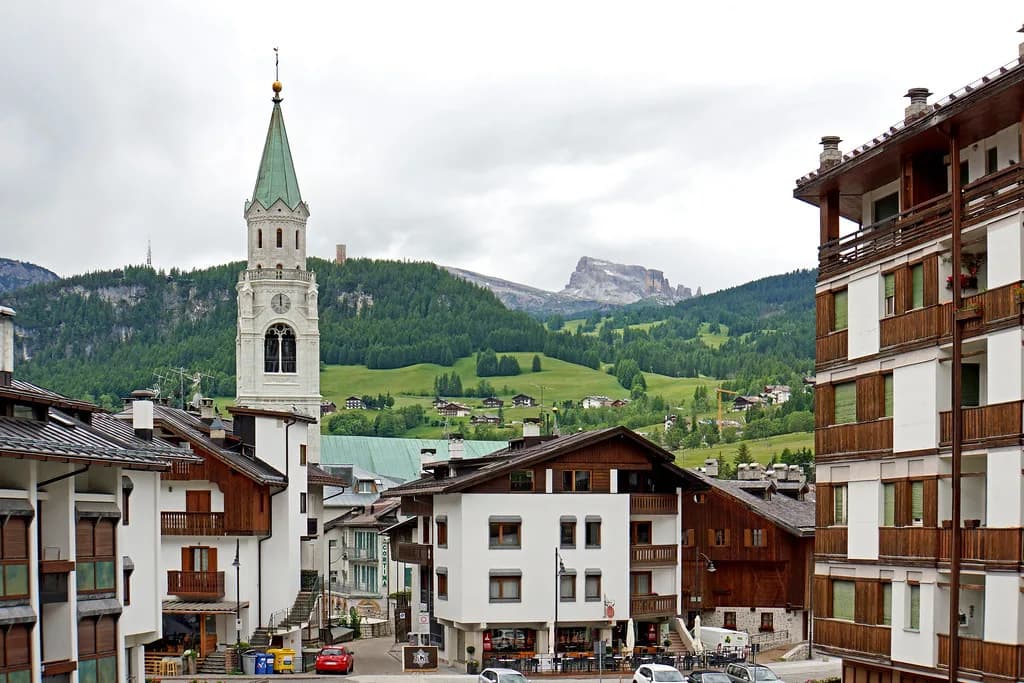
Cortina d’Ampezzo sits in the heart of the Dolomites, a setting that shapes its climate. Summer days are generally mild and sunny, but nights turn cool, and sudden downpours are always possible, as ATVO’s summer packing guide for Cortina explains. Winter brings snow and freezing temperatures, while spring and autumn see a mix of crisp days, rain, and early or late snowfall.
Altitude amplifies temperature swings and makes weather forecasting more essential than at lower elevations. When you hike higher, conditions can change quickly, so a packable waterproof layer is never a bad idea. Local guides advise checking the weather forecast before any excursion, as mountain conditions can be unpredictable—something worth factoring into your clothing choices regardless of season.
The Layering System: Your Year-Round Foundation
Think of your clothing as a system rather than single outfits. The golden rule for the mountains is layering: a breathable base layer to wick moisture, an insulating mid-layer for warmth, and an outer shell to block wind and rain. This approach lets you adjust through the day, whether you're hiking at dawn, lunching at a rifugio, or strolling along Corso Italia in the evening.
For base layers, choose lightweight merino wool or synthetic fabrics—they keep you dry during activity and regulate temperature without bulk. A couple of merino T-shirts and long-sleeve tops work year-round. Mid-layers range from a light fleece in summer to a heavier knit or insulated jacket in winter. The outer layer is your waterproof shell: a packable jacket that can come out on a sunny day or be worn over insulation when it's cold.
Summer in Cortina (June–August)
Summer in Cortina brings mild, sunny days and cool nights—a far cry from a beach holiday, so avoid packing as if you were heading to the coast. Prioritise items that work both on the trail and in town. Breathable tank tops and T-shirts form the base, teamed with versatile bottoms such as shorts for warm afternoons or lightweight hiking trousers for longer walks.
Even in high summer, sudden downpours or temperature drops are possible, so bring at least two mid-layer options at different weights, plus a cardigan and a packable waterproof jacket—a fold-away style that stays within reach. For colder days or higher elevation hikes, a coat with a removable inner lining offers adaptability without excess bulk. A lightweight long-sleeved shirt adds protection for mild but cool mornings.
When it comes to footwear, bring comfortable trainers for village exploration and sandals for relaxed afternoons, but sturdy hiking boots with ankle support are non-negotiable for mountain trails. A poorly chosen pair on a mountain path can ruin a hike, so ensure your boots are well broken-in before you arrive. For via ferrata routes, consider approach shoes or technical boots, and rely on a guiding company to supply the safety equipment.
Autumn Shoulder Season (September–November)
Autumn in Cortina brings crisp, clear days and a chance of early snow, especially by November. The vibrant autumn colours attract visitors, but the weather becomes more unsettled, with colder mornings and shorter daylight hours. Packing for this shoulder season means focusing on versatile layers and waterproof gear you can adjust as temperatures swing.
A medium-weight fleece or knit is essential, and a packable down jacket adds warmth without taking much space. Waterproof trousers can be a real asset if you plan to hike through damp trails or encounter rain. While September can still offer mild hiking weather, October and November often call for a hat and gloves, especially on high-altitude excursions. Always check the local forecast before heading out.
Winter in Cortina (December–February)
Winter in Cortina means snow, freezing temperatures, and world-class skiing. Your packing list needs to cover both demanding days on the slopes and elegant après-ski evenings in the town’s boutiques and restaurants. The key is a clear separation: technical ski gear for the mountain, and smarter, comfortable pieces for the village. For a deeper look at mid-winter conditions, see our dedicated guide for February.
Start with a thermal base layer in merino wool, add an insulating mid-layer such as a down jacket or fleece, and finish with a fully waterproof and breathable shell. Don’t forget a warm hat, insulated gloves, a balaclava or neck gaiter, and ski socks. For après-ski, swap the technical top for a smart jumper or a cashmere shawl, and choose insulated boots or stylish leather boots with non-slip soles—or a pair that works both on the chairlift and at dinner.
Spring Transition (March–May)
Spring in Cortina is a transitional period: snow can still linger on higher slopes, trails may turn muddy, and the weather can be changeable from one day to the next. March often still offers skiing, while May starts to feel like early summer in the valley, though snowpack can remain at altitude.
Packing for spring hinges on waterproof, breathable layers. A shell jacket and pants are invaluable for wet snow and mud. Insulated boots or sturdy hiking boots with good grip are needed for slippery patches. As days lengthen and temperatures occasionally rise, be ready to peel off layers during sunny afternoons. Consider checking the guide to March or April for specifics on early spring conditions.
Footwear Trade-offs by Season
Footwear is where many visitors go wrong. In summer, you’ll want three types: durable trainers for town, sandals for easy evenings, and sturdy hiking boots for the trails. For via ferrata routes, approach shoes or technical boots are recommended. In winter, opt for insulated waterproof boots with deep treads, and if skiing, bring a separate pair of snow boots for village errands.
During spring and autumn, focus on waterproof boots and shoes that can handle mud and rain. Traction becomes crucial in freezing conditions. A versatile pair of leather or suede boots, while stylish in town, often lacks the grip needed for icy paths—so check the forecast and choose accordingly.
Accessories and Local Style
Cortina has a distinctive look that blends Alpine tradition with a chic, sophisticated edge, as noted by transport operator ATVO. You may notice Tyrolean touches—edelweiss motifs or floral blouses—in shops and on visitors. You don’t need to dress in costume, but adding a few accessory nods can enhance your experience.
Pack a deerskin shoulder bag or a pair of suede boots in earthy tones to echo the landscape. A wide-brimmed straw or panama hat protects from the summer sun, while a soft leather hat is a stylish alternative on cooler or rainy days. Perhaps the most versatile item is a cashmere or silk shawl: it takes almost no space yet elevates an evening look or provides an extra layer against a chilling breeze.
What to Leave Behind
Avoid packing as if you’re heading to a beach resort. Heavy denim, excessive beachwear, and single-purpose clothing are the first to go. In summer, leave behind long dresses that aren’t practical for mountain paths. In winter, skip heavy wool coats if you have a good insulating mid-layer and shell—they’re bulky and less effective.
Also, resist packing multiple pairs of shoes with limited utility. Versatility is key; choose items that can transition from a morning hike to an afternoon in town to an evening dinner. Lightweight, quick-drying fabrics are your friends.
A Compact Packing Example: Summer vs. Winter
For a week in summer, your capsule could include: three technical T-shirts, one pair of shorts, one pair of lightweight hiking trousers, a medium-weight jumper, a cardigan, a packable rain jacket, and sturdy broken-in boots. Add a pair of trainers and sandals, plus a sun hat and a shawl for cool evenings. This covers trail days, town wandering, and dinners with minimal bulk.
For a week in winter, your list shifts to: thermal base layers (top and bottom); a mid-layer fleece or down jacket; a fully waterproof ski shell and trousers; insulated winter boots and ski socks; warm gloves, hat, and neck gaiter. For après-ski, add a smart jumper or shawl and a clean pair of stylish but grippy shoes. This provides the versatility needed for long, cold days on the slopes and sociable evenings.
Before You Depart: Check the Forecast and Gear Needs
Always check the local mountain weather forecast in the days before your trip. Cortina’s forecast can change quickly, so revisit it shortly before departure. Also, verify any activity-specific requirements with your hotel or guide—whether it’s renting via ferrata equipment or knowing if the cable cars are running. Local advice is invaluable and often not online.
Know what’s provided by your accommodation. Many hotels offer half-board, which means you’ll spend evenings at dinner—pack attire that suits a smart-casual dining room. For guided excursions, ask about required gear in advance, as reputable guiding companies supply safety equipment for via ferrata and climbing.
Plan Your Visit
Packing for Cortina ultimately comes down to respecting the mountain environment while embracing the resort’s unique elegance. Layers, waterproof protection, and sturdy footwear are essential in every season, but versatility is what will make your suitcase work hard. Choose pieces that transition from trail to town, and you’ll be prepared for whatever the Dolomites throw at you.
Before you zip up your bag, check the forecast—and if you’re planning hikes or via ferrata routes, talk to local guides or your hotel for up-to-date conditions. With a thoughtfully curated packing list, you can fully enjoy the Queen of the Dolomites in style and comfort.
More packing guides for Italy
- What to Wear in Cortina d'Ampezzo in February: Packing Guide for Ski & Carnival
- What to Wear in Cortina d'Ampezzo in January
- What to Wear in Cortina d'Ampezzo in July: Packing Guide
- What to Wear in Cortina d'Ampezzo in October: Packing for Cool Alpine Days
- What to Wear in Cortina d’Ampezzo in April
- What to Wear in Cortina d’Ampezzo in December
- What to Wear in Cortina d’Ampezzo in March
- What to Wear in Cortina d’Ampezzo in May: Packing for Late Spring
- What to Wear in Cortina d’Ampezzo in November
- What to Wear in Naples: A Seasonal Packing Guide
- Lake Como Packing List: Seasonal Essentials & What to Wear
Frequently Asked Questions
Is it cold in Cortina d'Ampezzo?
Cortina's high altitude brings cool evenings even in summer, and winters are very cold with snow and freezing temperatures. Warm layers and proper insulation are essential for most of the year.
What do people wear in Cortina?
Visitors and locals often favor a smart-casual, outdoorsy style. During the day, technical outdoor wear like hiking trousers and fleeces is common, while evenings call for elegant touches such as a cardigan, blouse, or a cashmere shawl.
What should I wear for hiking in the Dolomites?
For hiking, use a layered system: a breathable base layer, an insulating mid-layer, and a waterproof shell. Sturdy, broken-in hiking boots with ankle support are essential. Always carry a packable rain jacket.
What is the most versatile accessory for Cortina?
A cashmere or silk shawl is arguably the most versatile. It takes little space, adds elegance for evening wear, and provides an extra layer against a cool breeze.
Sources
Free: The Ultimate Packing Cheat Sheet
A carry-on capsule wardrobe, the complete packing checklist, layering made simple, and what to wear by season — one printable page you'll use on every trip.
You might also like


Continue reading
More guides you'll find useful


