
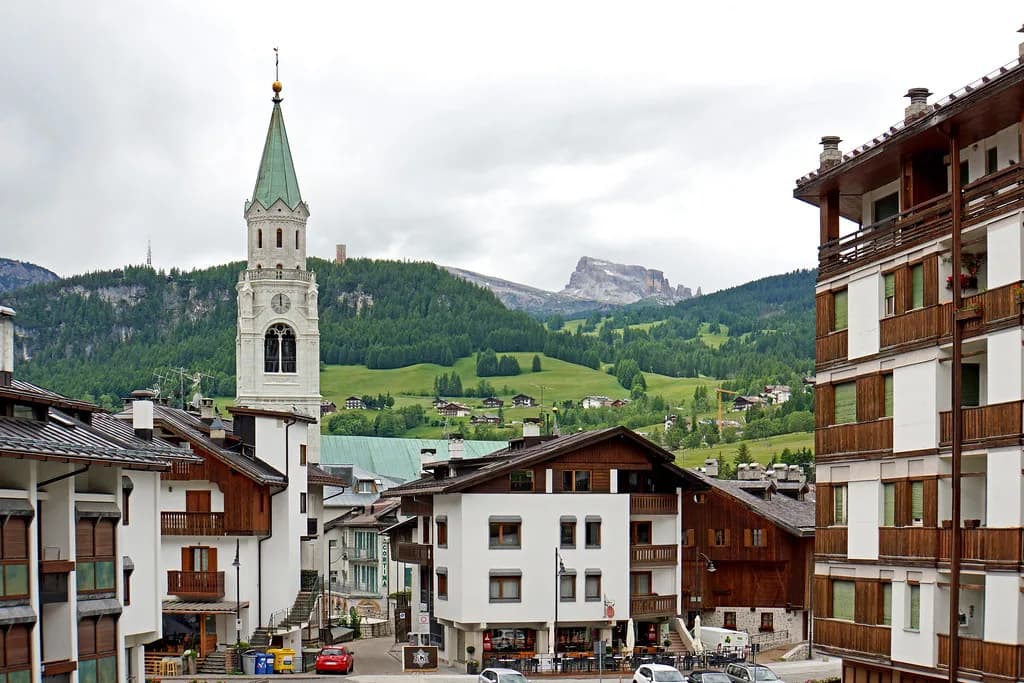
What to Wear in Cortina d'Ampezzo in January
Packing for Cortina in January means preparing for cold, snowy days on the slopes and crisp evenings in town. Learn layering strategies and what to leave behind.
On this page
What to Wear in Cortina d'Ampezzo in January: A Complete Packing Guide
When you picture Cortina d'Ampezzo in January, you're probably imagining crisp snow-covered peaks around the Tofane and Cristallo mountain groups, and you wouldn't be wrong. But the reality of this elegant, snow-blanketed valley is that winter here is emphatically cold and humid, with daytime highs that rarely climb above freezing. Getting your clothing choices right makes the difference between a week of comfort and one spent retreating from the cold.
This guide is not a sightseeing itinerary but a packing strategy that breaks down your wardrobe decision by decision: what to wear on the slopes, what to pull on for an evening stroll through town to a rustic restaurant, and how to keep your fingers and neck protected during the inevitable wait in a freezing gondola line. For a broader overview that includes terrain and activities for all seasons, consult our What to Pack for Cortina d'Ampezzo guide.
Because the town sits at roughly 1,200 meters in the Italian Dolomites, the climate is genuinely alpine, and January is its coldest month. You should expect snow-covered sidewalks, possible ice patches, and strong sun glare on clear days. The advice below focuses on practical outfit combinations and explains the reasoning behind each layer and material choice, so you can adapt confidently to whatever the week brings. If you are planning further ahead, our guide to What to Wear in Cortina d'Ampezzo in February covers the transition toward later winter.
Free: The Ultimate Packing Cheat Sheet
A carry-on capsule wardrobe, the complete packing checklist, layering made simple, and what to wear by season — one printable page you'll use on every trip.
Cortina's January Climate: What to Expect and Why It Matters
January in Cortina d'Ampezzo is the coldest month of the year, with average daily highs around -2°C (29°F) and lows that drop to about -11°C (13°F), according to historical climate data aggregated by travel planner Wanderlog. The weather description emphasizes freezing cold and humid conditions, which means the cold penetrates through clothing more quickly than dry cold, and the valleys maintain a damp chill that lingers.
Snowfall is frequent and heavy, coating not only the slopes but also the streets of the town, where temperatures that hover near freezing during the day can dip sharply after sunset. Humidity levels are also high throughout the month, adding a bite to the air that makes a thick winter coat and gloves a necessity even for short walks. In contrast, the summer months see average highs around 21°C, so January requires a distinctly different packing mindset—one centered on insulation and moisture protection.
The silver lining is that the sun often shines, creating dazzling light that reflects off the snow. You will need to plan for brilliant glare during the day and for the rapid temperature drop as soon as the sun goes down behind the peaks, which feels sudden even by alpine standards. Because the conditions can shift from clear to overcast quickly, your packing needs to be flexible enough for bright, cold days and for overcast days that feel even colder than the thermometer suggests.
The Non-Negotiables: Thermal Base Layers, Insulated Jackets, and Snow-Ready Footwear
Your first line of defense is a thermal base layer that sits against your skin. For a freezing and humid January in Cortina, choose a merino wool or synthetic fabric that wicks moisture while retaining heat, and steer clear of cotton, which stays wet once it gets damp from sweat or snow. A quality base layer top and bottom will serve you both on the slopes and under a stylish coat for evening walks.
Next, an insulated jacket is your core outer shell, but the crucial decision is whether it will be a technical ski jacket or a more fashionable parka. For the best of both worlds, consider a stylish parka that is long enough to cover your hips, filled with down or a high-loft synthetic, and has a hood with faux fur or a high collar to block wind. You'll want to choose one with a water-repellent finish because snow falls on you not only while skiing but also during walks to restaurants.
Footwear is non-negotiable: thick-soled, insulated boots with good traction are essential for navigating icy town pavements and compacted snow on the trails that lead out of the village. Combining these with warm, moisture-wicking socks—wool or synthetic—is a fraction of the equation, but without the right socks, even the best boot will leave your feet cold. A pair of insulated, waterproof boots that cover your ankles will keep you dry and secure whether you're walking along the main Corso Italia or heading to the gondola station.
The Ski Day Outfit: From Gondola Lines to Slopes
For a day on the slopes, plan your outfit in three or four layers that you can adjust at each stage of your journey. Start with that thermal base layer, followed by a mid-layer of fleece or a light down vest for warmth, and finish with a waterproof and breathable ski jacket and matching ski pants. Many visitors swear by a one-piece suit for maximum snow protection, but a well-sealed two-piece is more practical for the café stops in the middle of the day.
Ski pants are a must-have—nothing else substitutes for them if you plan to ski, according to a guide by My Adventures Across the World, which offers packing advice for a winter weekend in Cortina. Their insulation and waterproofing are designed specifically for sliding on snow and sitting on chairlifts, so resist the temptation to use ordinary trousers. Underneath, your thermal leggings provide an extra layer, while a pair of ski socks—long, thin, and snug—will keep your feet warm inside ski boots without restricting circulation.
When you are not skiing but still heading outdoors to use the gondolas for sightseeing or to reach a rifugio for lunch, the ensemble simplifies to your insulated parka or ski jacket with ski pants. You can make a day of it without ever putting on ski boots, as the lifts will take you to lofty viewpoints, while your layers protect against the freezing wind at altitude. Whatever your plan, always carry an extra mid-layer in your backpack that you can pull out at the top of the mountain, where the wind chill is more ferocious than in the valley.
Après-Ski and Evenings in Town: Balancing Warmth and Style
Come evening, Cortina transforms into a smart, sociable resort, and you'll want to swap your ski gear for something more polished while still staying warm. A good approach is to pair your stylish insulated parka with a thick cashmere or wool sweater over a thermal top, plus comfortable trousers like corduroys or wool-blend pants. The goal is to pull off a smart-casual look that's suitable for a wood-paneled restaurant without having to bare your shoulders to the cold.
Layering remains the secret: wear your thermal base under an elegant sweater—something that feels equally at home in a rustic inn or an upscale bar. Underneath your parka, you'll stay warm on the short walks between the hotel and the restaurant, and once indoors, you can shed both the coat and perhaps your base layer top if it's warm enough. A stylish pashmina or wool scarf can double as a shawl for women or remain as a neck warmer for men, adding both comfort and a touch of refinement.
Footwear for the evening should also transition from snow boots to dressier boots that still offer grip on icy cobblestones. Think leather or suede boots with a low heel and rubber sole, lined with wool or shearling for warmth—these will carry you through an evening stroll around the church square before dinner. If your plans include a night at a cocktail bar or a toboggan ride, you can swap the dressy boots for your insulated winter boots and no one will mind.
The Right Footwear for Town: Boots That Handle Snow and Cobblestones
When you're not on the slopes, your footwear must cope with a terrain that is partly paved, partly snowy, and often icy. The best solution is a pair of insulated, waterproof boots with deep treads that provide stability on compacted snow and on the frozen patches that form on pavements in the morning. Look for boots with a temperature rating well below freezing, and consider synthetic insulation rather than fleece, which packs better and dries faster.
The town's walkways around Corso Italia and the paths near the Olympic ski jump are frequently cleared, but the constant freezing and thawing cycle means a thin layer of ice can appear without warning. Vibram or similar rubber outsoles with aggressive lugs will save you from slips, while a shaft that reaches above the ankle adds extra protection against snow that piles up on the sidewalks. If you're planning to wander beyond the center to the lakeside trails, the same boots will keep you comfortable on unpacked snow.
Alternatively, some travelers prefer a lighter, packable boot that is not as bulky as a heavy mountaineering model, but in January we recommend erring on the side of warmth and grip. Check the weather forecast daily, as Cortina can experience both brilliant sunny days and snowfall within the same week, and you'll want footwear that adapts to both conditions. Bring a pair of indoor slippers or thick wool socks for the hotel room, because the heated floors—if your room has them—can make heavy boots feel excessive.
Handwear, Neckwear, and Protective Details for Freezing Gondola Lines
The moments spent queuing for gondolas and chairlifts are often the coldest part of a ski day in Cortina, as you stand still in a biting wind while your body is not yet warmed up from activity. For this reason, high-quality insulated ski gloves are essential, but you should also pack a pair of thin fleece liner gloves to wear underneath for extra warmth and to give you dexterity when you need to pull out a map or take a photo. A pair of mittens can also be a wise choice for the coldest mornings, as they keep your fingers together and preserve heat much better than gloves.
Your neck and lower face need protection from the freezing wind, and a wool or fleece neck gaiter is more versatile than a scarf because it can be pulled up over your chin and mouth when the gondola leaves the station and the wind hits. A balaclava is another option for extreme temperatures, and when you're just strolling around town, a stylish scarf can serve the same purpose while adding a touch of color to your outfit. Don't forget lip balm with SPF, as the dry mountain air and sun reflection can chap your lips quickly.
Sunglasses are a must—the sun's glare off the snow is intense, even on overcast days, so bring high-quality UV-protective eyewear or ski goggles if you'll be on the slopes. A pair of ski goggles is not just for skiing; they protect your eyes from wind and blowing snow during those exposed lift rides. Finally, hand and foot warmers are a small addition that can make a big difference when you're standing outside in the late afternoon.
What to Leave Behind and What to Pack Instead
Leave the fashion-forward but flimsy coat at home if it does not offer serious insulation and water resistance; in January Cortina is not the place for a thin trench coat. Similarly, leave behind sneakers, ballet flats, or any non-waterproof shoes that can't handle the snow, as they will ruin your day quickly. Also skip heavy jeans that become stiff and cold when they get damp—instead, bring quick-drying, comfortable trousers like fleece-lined hiking pants or wool-blend joggers.
Instead of packing a separate outfit for every day, focus on mix-and-match pieces and strategic layering that can be worn in different combinations. For example, three thermal tops, two thick sweaters, two pairs of thermal leggings, and one pair of ski pants can keep you comfortable for a week, especially if you can wash light layers by hand between uses. And you certainly don't need to pack a bulky formal evening gown, as the vibe in Cortina is upscale mountain elegance rather than black-tie formality.
What you should pack in abundance: wool socks, warm gloves, scarves, and a hat that covers your ears, because these small items are easy to lose and make a world of difference in keeping your extremities warm. A small backpack is also essential for carrying your layers as the day warms up, along with your camera, a water bottle, and some snacks for lift queues. With these swaps, you'll have room in your luggage for flexible layers instead of heavy, non-essential items.
Sample Packing List for a 5-Day Trip
For a five-day January adventure in Cortina that mixes a few days of skiing with village strolls and a bit of shopping, pack smartly to avoid overloading your suitcase. Your core pile: two thermal base-layer tops, two thermal leggings, one fleece or wool mid-layer, one insulated waterproof ski jacket, one pair of ski pants, one stylish parka for town, and two or three pairs of wool socks. Add one pair of insulated waterproof boots for both slushy streets and gondola rides, and consider packing a second pair of lighter shoes or sneakers only if your hotel has a gym.
For evenings, plan one or two semi-smart outfits, such as a cashmere sweater and corduroy pants for men, or a merino turtleneck with a wool skirt and tights for women—always with a pair of boots that can handle the short walk from the hotel to the restaurant. Your accessories kit: a warm hat, a scarf or neck gaiter, three pairs of gloves (one thin pair for dexterity, one insulated pair for skiing, one spare pair for casual wear), and sunglasses. Include a couple of casual outfits for wandering the town during the day when you're not hitting the slopes.
If you plan to rent ski equipment, bring your own ski socks and a pair of ski gloves that are specifically designed for the slopes; rentals often only give you boots and skis, and you'll want the comfort and warmth of your own gear. Also pack base layers that you can wear both under your ski clothes and under your parka for evening wear, cutting down on the number of items you need to bring. This compact list is the product of our review of evidence from travel guides that have visited Cortina in the winter, and it gives you the confidence to pack light but completely.
Before You Depart: A Quick Weather and Gear Check
About a week before your trip, start checking the official weather forecast for Cortina d'Ampezzo; even though January is historically cold and snowy, each year can bring a specific cold snap or a milder spell. The local Tourismus board and weather services provide detailed forecasts for the Dolomites, including snow levels, so you can fine-tune the thickness of your layers and whether you need extra thermal wear or an extra pair of gloves. But be aware that historical data indicates freezing, humid conditions, and we recommend packing conservatively for the cold rather than for the mild days.
Do a final gear check as you lay out your items: ensure your ski jacket and pants have all zippers and seams sealed, your boots have enough tread, and your gloves and hat are comfortable. If you plan to ski off-piste or go on a guided winter excursion, consult your outfitter about any additional gear they may require, such as avalanche transceivers or specific helmets. It's also worth checking if your airline's baggage allowance lets you carry the bulky items, as ski jackets and boots can be heavy.
Finally, think about the details: dry your boots and apply a waterproofing spray before you leave, and pack a small repair kit with extra zipper pulls and a tube of seam sealant in case of damage. And if you're considering booking any indoor activities like a spa or a museum, remember that dress codes in these venues may differ from outdoor attire; check their official website for any specific requirements, or simply bring a pair of comfortable shoes.
Plan Your Visit
Packing for Cortina d'Ampezzo in January is ultimately about anticipation: anticipating the biting cold on your cheeks during a gondola ride, the warm sun on your face at 2,500 meters, and the elegant evenings in the valley after a day of mountain air. By building a wardrobe of interchangeable layers—base, insulation, and a shell—you gain the flexibility to enjoy every hour of your trip without a second thought about comfort.
Use this guide to sort your pile into what truly works: thermal base layers, a warm neck gaiter, insulated boots, and two types of gloves. Leave the suitcase space- and keep your plans open for spontaneous walks to a cozy bar, for the best coffee in the village, or for an impromptu snowshoeing excursion. The "Pearl" of the Dolomites deserves a traveler who's ready for its beauty—and for its coldest month.
For additional seasonal advice, you might consider our guides for nearby months, such as What to Wear in Cortina in March or What to Wear in Cortina in July, though those have different conditions on offer. Or if you are still undecided about when to visit, What to Wear in Cortina d'Ampezzo in April will give you a sense of spring skiing in the area. Finally, the What to Pack for Cortina d'Ampezzo page is an essential planning tool to keep handy.
Frequently Asked Questions
How cold are the Dolomites in January?
In January, the Dolomites experience their coldest temperatures of the year. In Cortina d'Ampezzo, average daily highs are around -2°C (29°F) and lows can drop to -11°C (13°F), called freezing and humid conditions. Pack thick winter coats, layers, gloves, and insulated boots for comfort.
How to dress for Italy in January?
Dressing for Italy in January varies by region. In Cortina d'Ampezzo, located in the Italian Alps, you'll need cold-weather gear: thermal base layers, an insulated winter coat, gloves, a scarf, and waterproof boots. For visits to other Italian cities, plan for milder but still chilly conditions, always checking local forecasts before packing.
Is it cold in Cortina d'Ampezzo?
Yes, Cortina d'Ampezzo is very cold during the winter months, especially in January. Historical data shows average temperatures ranging from -11°C to -2°C, with high humidity and frequent snowfall. Proper winter clothing is essential for comfort during outdoor activities and town walks.
What to do in Cortina if not skiing?
If you're not skiing, Cortina offers a range of winter activities: take scenic cable car rides to high viewpoints, visit the World War I museums in the mountains, hike or snowshoe on prepared trails, and explore the stylish village streets for shopping. Many hotels and rifugios have cozy interiors to warm up.
Sources
Free: The Ultimate Packing Cheat Sheet
A carry-on capsule wardrobe, the complete packing checklist, layering made simple, and what to wear by season — one printable page you'll use on every trip.
You might also like


Continue reading
More guides you'll find useful


