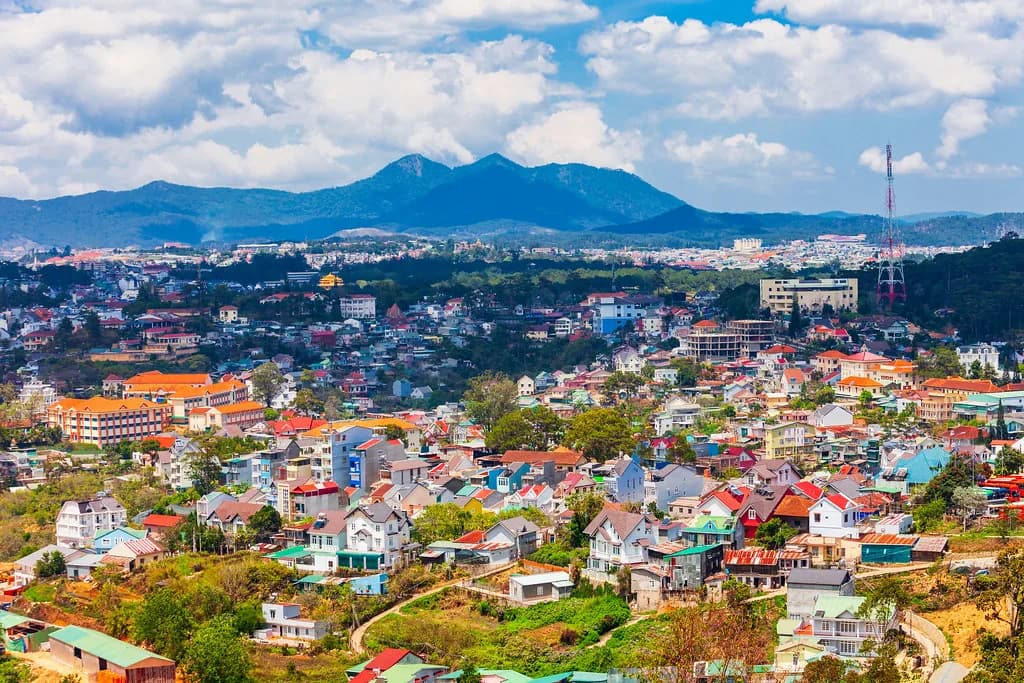
What to Wear in Da Lat in January: Packing Guide
Pack for Da Lat in January with breathable days plus a warm midlayer, compact jacket, scarf, and closed shoes for cold mornings and evenings.
On this page
Da Lat in January: the weather in numbers
Typical January conditions from 30 years of daily weather data, split into early, mid and late month so you can match them to your travel dates.
| Dates | Early Jan (1–10) | Mid Jan (11–20) | Late Jan (21–31) |
|---|---|---|---|
| Afternoon high | 23°C (73°F) | 23°C (73°F) | 23°C (74°F) |
| Night-time low | 14°C (57°F) | 14°C (57°F) | 14°C (57°F) |
| Feels like (afternoon) | 22°C (72°F) | 22°C (72°F) | 22°C (72°F) |
| Range of afternoon highs | 20–25°C | 21–25°C | 21–26°C |
| Days with rain | 2 in 10 days | 2 in 10 days | 2 in 10 days |
| Afternoon humidity | 57% | 55% | 53% |
| Average wind | 9 km/h | 8 km/h | 9 km/h |
| Daylight | 11.3 h | 11.4 h | 11.4 h |
What this means for your suitcase
- Warm days: T-shirts and light trousers or skirts, plus one light layer.
- Showers on roughly 2 in 10 days — a packable rain jacket or compact umbrella.
Travelling on specific dates? Use our What to Wear Planner for the weather, outfits and a packing list for your exact days in Da Lat.
Averages for 1991-2020, modelled from Copernicus ERA5-Land and ERA5 reanalysis via Open-Meteo open data (CC BY 4.0), adjusted to Da Lat's elevation. Modelled afternoon highs can read 1–2°C below airport weather-station records.
Da Lat sits on the Central Highlands plateau, and that elevation is why January packing here is different from the rest of southern Vietnam. Historical seasonal patterns point to cool mornings, sunny and relatively warm afternoons, and chilly evenings.
The practical consequence is that no single outfit covers a full day. You will likely shed layers around midday and want them back the moment the sun drops behind the hills, so the goal is a compact, flexible set of pieces rather than one heavy coat.
Treat everything below as editorial suggestion, not a dress code. Da Lat is a casual city, and what you actually wear should follow your own comfort, the day's conditions, and what you plan to do.
How January Feels Across a Single Day
January conditions in Da Lat follow a historical pattern rather than a fixed script: cool starts, sunny and warmer middles, and a sharp evening cool-down. One regional guide describes spring in Da Lat, which begins around January, as quite cold and advises a thin coat for walking the streets, especially in the evening.
A seasonal overview describes the month as having cool mornings, warm afternoons, and chilly evenings, and notes that this is around the start of the cherry blossom season. That combination of bright skies and cold edges is the defining packing challenge.
Because these are tendencies and not a forecast, check a short-range forecast for Da Lat in the days before you fly. If the pattern holds, plan for layering; if it shifts colder or wetter, adjust the layers you bring rather than rebuilding your whole bag.
The Core Layering Formula for January
Build every outfit from four slots: a breathable base layer, a light shirt or tee over it, a warm midlayer, and a compact outer jacket. The midlayer is what you wear in the morning and after sunset, while the outer jacket handles wind and the coldest moments without adding much weight to your bag.
Think in terms of one warm jacket rather than several heavy ones, since you will carry the jacket rather than wear it for a good part of the day. A packable insulated or down-style jacket folds into a daypack when the afternoon warms up and comes back out for evening coffee or a night market walk.
A featherweight scarf is the single most useful extra. It adds warmth at sunrise viewpoints, breaks the wind on a motorbike ride, and doubles as a layer for cool coffee-shop evenings without taking meaningful space in your luggage. Evening warmth is a consistent theme across local guidance.
Daytime Outfit Combinations
For the middle of the day, a cotton or linen shirt over a light tee works well with light trousers, jeans, or a casual skirt or dress. Warmer afternoons reward breathable fabrics, and the same pieces layer cleanly under a midlayer once temperatures drop.
Town streets and market areas are walking-heavy, so comfortable closed shoes handle both the distance and the cool morning ground better than thin sandals. Keep the outfit informal and practical rather than formal, since much of Da Lat's sightseeing is outdoors and spread out.
Loose, mix-and-match daywear suits this month's dry, bright stretches, so a flexible daytime look works better than a uniform. A short-sleeve shirt with chinos by day and the same shirt under a midlayer at night is a reliable pattern.
Morning and Evening Add-Ons
Cold early mornings and evenings are where January in Da Lat differs most from a warm-weather Vietnam trip. Warm clothes and scarves are commonly advised for the evening, along with a foldable hat and umbrella for weather that can change unexpectedly.
Plan a compact insulated or down-style jacket, a light scarf, and a warm hat if you plan to catch a sunrise viewpoint or spend the evening outdoors. These three items cover the coldest windows of the day, and the hat is small enough to live in your daypack permanently.
For outdoor coffee stops and night market wandering, add one warm midlayer under the jacket rather than a second jacket. Two thin layers trap warmth better than one bulky one and are far easier to pack.
Footwear Decisions for Da Lat
Closed shoes with reasonable grip are the safer default for January, because cold mornings make open sandals uncomfortable and plateau paths can be uneven. A single pair of broken-in walking shoes covers town days, viewpoints, and light paths, so you are not packing multiple pairs.
The trade-off is that midday can be warm enough for sandals, which is why some travelers bring a light pair for afternoon and indoor use. If you pack sandals, choose ones that pack flat and expect to wear them selectively rather than as your main walking shoe.
Comfort and fit matter more than any particular style, and there is no official requirement for any specific footwear in Da Lat. Weather and terrain should drive the decision, not a formal rule.
Accessories and a Small Daypack
Beyond the scarf and hat, the items that consistently earn their space are sunglasses, a small daypack, and a compact umbrella or light rain shell. Warm afternoons justify sunglasses, while the umbrella covers brief weather changes without committing you to a heavy raincoat.
A daypack lets you remove and store layers as the day warms and cools, which is the practical secret to a comfortable January day. Load it with the jacket, scarf, and hat in the morning and travel light at noon.
Keep toiletries and electronics to travel-size amounts and confirm current airline rules with your carrier directly, since baggage limits are set by the airline and change over time.
A Three-Day Packing Example
For a short January trip, pack one compact insulated jacket, one warm midlayer, two breathable tops, two bottoms, one scarf, closed walking shoes, sleepwear, and a small toiletry kit. That set fits a carry-on and covers the cold-warm-cold swing without duplicating anything.
The logic is one to wear, one to spare. Two tops and two bottoms let you rotate while one set airs, which is enough for three days if you are not doing anything especially muddy or sweaty.
If your itinerary includes a lot of walking or a long outdoor day, consider a third pair of socks over a third pair of trousers. Socks add almost no weight and are what you will actually want to change.
A Five-Day Packing Example
For five days, extend the three-day set by one extra midlayer and one extra bottom rather than doubling every item. A single warm jacket still covers the whole trip, and extra layers stack under it for the coldest mornings.
Plan a laundry stop instead of packing seven of everything. A mid-trip wash keeps the bag light and makes a carry-on realistic even for a week, which is especially useful if you are moving between accommodations.
Check what your hotel or guesthouse offers for laundry before you leave, since services vary. That one piece of information often determines whether five days really fits in a carry-on.
What to Leave Behind
Leave the bulky parka and any second heavy jacket at home. January in Da Lat calls for a compact layer, not arctic gear, and a heavy coat will dominate your bag for a single cold hour each day.
Skip formal dress-code pieces unless you have a specific confirmed event, since Da Lat sightseeing is casual and you would be carrying clothes you never wear. Also think twice about open sandals as your only footwear, because they will not serve you in cold mornings.
If you are weighing other months for a future trip, the packing logic shifts with the season; what to wear in Da Lat in May and what to wear in Da Lat in June are separate decisions built around warmer or wetter conditions.
Terrain and Transit Considerations
Da Lat's plateau setting means rolling roads, hills, and plenty of walking between viewpoints, which puts a premium on shoes you can wear all day. A windproof outer layer also helps on motorbike rides, where moving air makes the already cool air feel colder.
If you plan any walking to waterfalls or through nature areas, the footwear and layering decisions change; what to wear in Da Lat for a waterfall hike is a different brief from a town-based January trip.
Keep your daypack organized so the layers you need most are on top. When you are moving between transport, coffee stops, and viewpoints, a two-second layer change is worth more than an extra garment.
Before You Leave: A Last Weather Check
In the final days before departure, look at a short-range forecast for Da Lat rather than relying on monthly averages. Forecasts capture the specific cold snap or warm spell you will actually experience, while historical patterns only set expectations.
Use that forecast to adjust layers, not the whole wardrobe. A colder-than-usual week means adding one midlayer; a warmer one means you can leave the heaviest layer at home and keep the compact jacket.
Confirm your airline's current cabin baggage rules with the airline itself, since limits and fees are set by carriers and change. That check prevents a last-minute repack at the gate.
Pack for Layering, Not for One Climate
January in Da Lat rewards a layered, compact kit: breathable daytime clothes, one warm midlayer, a packable jacket, a scarf, and closed shoes. That combination handles cold mornings, bright afternoons, and chilly evenings without weighing you down.
Keep the trip-length counts in mind, use a laundry stop for longer stays, and leave the bulky parka and extra heavy jackets behind. A short-range forecast check in the last few days is the final step that turns a general packing strategy into a trip-ready bag.
Frequently Asked Questions
How cold are Da Lat mornings in January?
Historical seasonal patterns describe January mornings in Da Lat as cool to quite cold, with the coldest conditions around early morning and after sunset. Because these are tendencies rather than a forecast, check a short-range forecast for Da Lat before you travel and add a layer if a cold spell is expected. A warm midlayer plus a compact jacket covers most mornings comfortably.
Do I need a jacket during the day in Da Lat in January?
Afternoons are typically the warmest part of the day, so you may not wear a jacket continuously. The practical approach is to carry a packable jacket in a daypack so it is available as soon as the temperature drops in the evening or when you are in the shade. That keeps you comfortable without overpacking.
Are shorts and sandals okay in Da Lat in January?
Shorts can work during the warmest part of the afternoon, but they are a poor choice for cold mornings and evenings. Sandals are similarly limited: closed shoes are more comfortable on cool ground and uneven paths, and they handle walking-heavy days better. If you bring sandals, treat them as an afternoon extra rather than your main footwear.
How many layers should I pack for Da Lat in January?
A base layer, a light top, one warm midlayer, and one compact outer jacket cover the full range of a January day. That stack lets you shed layers at midday and rebuild them after sunset. For longer trips, add one extra midlayer rather than a second jacket.
What shoes should I bring for Da Lat in January?
One broken-in pair of closed walking shoes with reasonable grip is the most useful choice for a town-based January visit. It handles cold mornings, uneven streets, and long sightseeing days. Light sandals can be a secondary pair for warmer afternoons if they pack flat.
What should I leave behind when packing for Da Lat in January?
Leave bulky parkas, multiple heavy jackets, and formal dress-code pieces at home unless you have a specific confirmed event. Open sandals as your only footwear are also a mistake given cold mornings. A compact jacket and one midlayer do the work of a much heavier bag.
Sources
Free: The Ultimate Packing Cheat Sheet
A carry-on capsule wardrobe, the complete packing checklist, layering made simple, and what to wear by season — one printable page you'll use on every trip.
You might also like


Continue reading
More guides you'll find useful