

What to Wear for Sedona Vortex Hikes
Plan vortex-hike outfits for Sedona slickrock, sun and shade, with footwear, layers, sun coverage and a compact three-day packing plan.
On this page
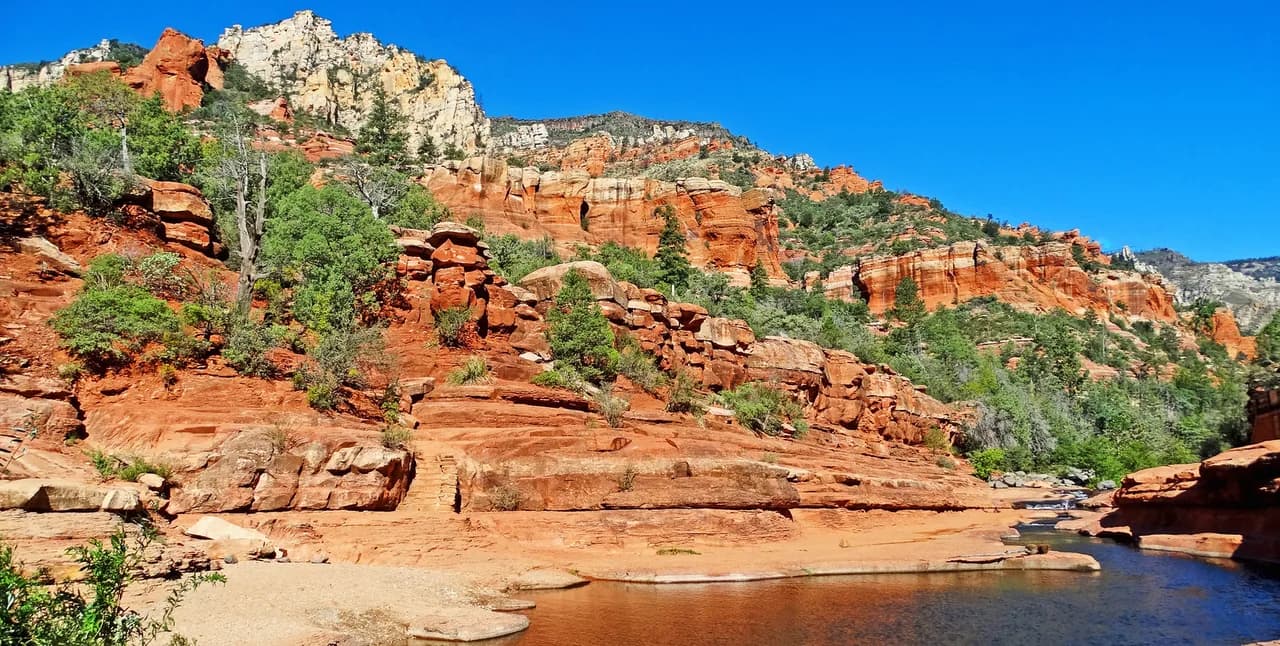
A vortex hike is not a normal walk with a scenic stop. Many routes cross uneven sandstone, low ledges, and loose dirt, and many people spend long stretches standing still on exposed rock, which changes what feels comfortable compared with a steady-moving hike.
The packing problem here is the swing between full sun on open slickrock and cooler air in juniper shade, along canyon edges, and on early starts. Build your outfit from removable pieces rather than one heavy garment, and treat each layer as something you can shed or add within a minute.
Check the forecast for the exact area you plan to visit the day before you go, and confirm any land-manager or operator requirements with the relevant authority rather than relying on general packing advice.
Start With Footwear That Grips Slickrock
The single decision that matters most is your shoes. Broken-in trail shoes or light hiking boots with dependable grip handle sandstone, ledges, and short scrambles far better than fashion sneakers, and Sedona-focused packing guidance puts broken-in trail shoes with good soles at the top of the list. Stores near Uptown can help you check fit if you are unsure.
There is a genuine trade-off between support and nimbleness. Stiff boots support heavy loads and rough ground but can feel clumsy on smooth, sloping rock, while flexible trail runners feel light yet offer less protection on sharp edges. Choose the shoe you already trust on uneven ground rather than the newest pair in the box.
Test your shoes on a local hill or staircase before the trip, because a hot spot on day one will shape the rest of the week. A trail and footwear guide is a useful place to compare sole types before you commit.
Socks and Foot Care on Dusty Trails
Socks do more work here than most people expect. Moisture-wicking wool or synthetic pairs move sweat away from skin, while cotton holds dampness against your feet and increases rubbing on a dusty, sweaty approach.
Pack at least one spare pair in your daypack, plus blister supplies. If your feet get wet at a creek crossing or sweaty on a long climb, changing socks at a saddle or viewpoint takes two minutes and often rescues the return leg.
Keep a lightweight stuff sack for dusty shoes so you do not spread red sand through your luggage or rental car. That small habit keeps town clothes clean for the evening.
Base Layers and Bottoms for Rock and Shade
Pick a breathable, quick-dry top that feels comfortable when you are moving and still reasonable when you stop. A synthetic or wool blend handles sweat better than cotton, which stays damp and cools you down when the breeze picks up in shaded sections.
Long pants are the versatile choice for most vortex routes. They cover you against sun, dust, and low brush, and they protect your legs when you sit on rock during a quiet stop. Lightweight hiking trousers or convertible pants that zip off above the knee give you one garment that covers both a cool morning and a warm midday.
Shorts are a reasonable personal choice on well-maintained, open trails, but they expose skin to sun, sandstone gravel, and brushing against juniper. Whichever you choose, avoid heavy denim that stays damp and restricts the stepping and scrambling that sandstone terrain often requires.
Sun Coverage for Long Stretches on Exposed Rock
Vortex hikes often mean hours of direct sun with almost no shade. A long-sleeved sun shirt, a brimmed hat, and sunglasses form the core of your coverage, and a lightweight neck gaiter adds protection when the sun is low or the reflection off pale rock is strong.
Reapply sunscreen as directed on the product after sweating, and treat sun protection as an ongoing part of the day rather than a single application before you leave the hotel. A small tube in a daypack pocket makes reapplying easy, and lip balm with sun protection earns its place in dry, windy desert air.
A daypack with room for sun coverage, water, and a layer keeps these items with you rather than in the car.
The Warm Layer You Carry for Shade and Stops
The outfit that feels right while climbing may feel cold during a thirty-minute sit on shaded rock. Pack a light fleece or a packable synthetic jacket that adds real warmth when you stop, and add a thin wind-resistant shell for exposed ridges and open ledges.
Dress in removable pieces rather than one heavy garment. A base layer, a light insulating layer, and a shell let you fine-tune within a minute as you move between sun and shade, which is more practical than committing to a single bulky coat.
A compact shell also works as your rain layer, which matters in the monsoon months when moisture reaches northern Arizona. One shell that handles wind and rain saves space in a small daypack.
Monsoon Season and Afternoon Weather Checks
Northern Arizona has a defined monsoon period, and its moisture often arrives in early summer, with storms commonly developing in the afternoon and evening. Local seasonal guidance describes summer as the stretch that needs light clothing and sun coverage alongside a rain shell and a flexible plan, because conditions can shift within a single afternoon.
Check the forecast and any official warnings before you enter canyon or creek terrain, and treat the forecast as one input rather than a guarantee. Pack a light rain shell and a waterproof pouch for your phone and spare layer, and keep your route plan flexible enough to turn around if storms build.
A shell keeps rain off; it does not make a thunderstorm hike a good idea. Confirm current conditions with an official weather source and the land manager before you commit to any exposed route.
Shoulder-Season Outfit Combinations
Spring and fall generally bring a cool start, a warm middle, and a quick drop in the evening. A workable stack is a quick-dry base layer, light hiking pants, a packable fleece, and a wind-resistant shell, which lets you add and remove layers without changing your whole outfit.
Seasonal packing guidance for the area describes spring highs of roughly 18 to 27 degrees Celsius (mid-60s to low 80s Fahrenheit) and fall highs of roughly 18 to 21 degrees Celsius (mid-60s to low 70s Fahrenheit), with chilly mornings and crisp evenings in both seasons, so layers matter most at the start and end of the day.
If your trip falls in one specific shoulder month, a dedicated monthly guide is more useful than a general list. A November trip leans toward a warmer mid-layer and long pants for cool evenings.
Summer and Winter Packing Decisions
Summer asks you to carry less clothing but more water and sun coverage. Light, loose, long-sleeved layers shade your arms without adding heat, and a daypack must have room for water capacity, a hat, and snacks rather than extra outfits.
Winter flips the priorities toward warmth and traction. Add insulation, a warm hat, and gloves for cold mornings, and treat surfaces as potentially not dry, since ice and frost can linger on shaded rock even when the town feels mild.
Seasonal packing guidance for the area describes winter highs in the mid-50s to 60s Fahrenheit (roughly 13 to 16 degrees Celsius), with cold nights and occasional light snow, so pack for cold evenings even if your daytime plan is short.
A Compact Packing Example for Three Days
For a three-day trip, two trail outfits plus one town outfit is usually enough: two quick-dry tops, one pair of hiking pants or convertible trousers, one set of town clothes, one warm mid-layer, one shell, two or three pairs of wool socks, and the shoes you travel in.
Wear your bulkiest shoes on the flight and pack the second pair only if you genuinely need water shoes or town sandals. Reusing your trail tops twice with a sink wash keeps the bag light and leaves room for a layer you might not need until evening.
Add small but high-value items: a power bank, a compact headlamp, a reusable water container, and a small first-aid and blister kit. These take little space and cover most of the practical gaps on a short red-rock itinerary. If your trip includes a guided outing as well as a hike, a jeep tour packing guide covers the smaller, secure bag that suits a moving vehicle.
What to Leave Behind
Leave delicate sandals, dress shoes, and smooth-soled fashion sneakers out of your daypack. They have no grip on sandstone and will not protect your feet on ledges, so keep them for Uptown and dinner only.
Skip the second heavy jacket, the oversized tote, and anything you would resent carrying uphill. Vortex routes rarely have storage, and a bulky bag changes how you move across uneven rock.
Leave unnecessary valuables in the hotel safe rather than in the car at a trailhead. A small waist pack or zipped pocket for keys, cards, and phone is easier to manage than a large bag you have to set down on the rock.
Before You Leave: A Five-Minute Check
Spend five minutes on the forecast for the exact area you will hike, not just the town, since conditions can differ between a shaded canyon and an exposed ledge. Download an offline map, confirm your water plan, and tell someone your route and expected return time.
Charge your phone and power bank, and set the headlamp where you can find it before dusk. The sun sets quickly behind the rim, and a short delay can turn a bright descent into a dark one.
Recheck your daypack before you drive: water, sun coverage, a warm layer, a shell, spare socks, snacks, and your map. Repacking takes a minute and prevents the most common mistake of leaving a layer in the car.
Dress for Rock, Sun, and Shade
Vortex hikes reward a simple approach: shoes with dependable grip, a breathable base layer, long pants for protection, full sun coverage, and a packable warm layer you actually carry. Build the outfit around the swing between exposed rock and shade rather than around a single forecast number.
Pack light, test your shoes before you go, keep water and sun protection in the daypack, and confirm conditions with an official source before you set out. That combination handles most of what a Sedona vortex route will ask of you.
Frequently Asked Questions
What should I wear for vortex hikes in Sedona?
Start with broken-in trail shoes or light hiking boots, a breathable quick-dry top, and long pants or convertible trousers. Add a long-sleeved sun layer, a brimmed hat, sunglasses, and a packable warm layer for shaded stops, plus a light shell if rain is possible.
Are hiking boots necessary for Sedona vortex trails, or are trail runners enough?
Trail runners can work well if they fit properly and have dependable grip, and many people prefer them for nimbleness on smooth rock. Boots suit those who want more support or expect rougher ground. The deciding factors are fit, traction, and the specific route rather than the shoe category.
Do I need long pants for vortex hikes?
Long pants are the more versatile choice because they cover your legs against sun, dust, and low brush, and they help when you sit on rock during a quiet stop. Lightweight hiking trousers or convertible pants handle both a cool morning and a warm midday better than heavy denim.
How do I dress for temperature swings on exposed slickrock?
Use removable pieces rather than one heavy garment. A quick-dry base layer, a light fleece or synthetic jacket, and a wind-resistant shell let you add warmth during shaded stops and shed it while climbing, which is more practical than committing to a single coat for the whole outing.
What should I pack for a three-day Sedona vortex trip?
Two trail outfits, one town outfit, one warm mid-layer, one shell, two or three pairs of wool socks, and the shoes you travel in cover most of it. Add a power bank, compact headlamp, reusable water container, and a small first-aid and blister kit.
What should I leave behind when hiking to a vortex site?
Leave delicate sandals, dress shoes, smooth-soled sneakers, a second heavy jacket, and bulky bags behind. Keep town shoes for town and leave unnecessary valuables at the hotel rather than in the car at a trailhead.
Is a rain shell worth carrying for Sedona vortex hikes?
It is a compact and useful item during the monsoon period, when afternoon storms are possible, and it doubles as a wind layer on exposed ledges. A shell keeps rain off but does not make a thunderstorm hike a good idea, so check official forecasts and warnings before entering canyon or creek terrain.
Do vortex hikes require special clothing?
No special clothing is required. Standard hiking layers, sun protection, and footwear with dependable grip cover the practical needs of red-rock terrain. Treat any guidance from land managers or tour operators as the authoritative source for the specific site you plan to visit.
Sources
Free: The Ultimate Packing Cheat Sheet
A carry-on capsule wardrobe, the complete packing checklist, layering made simple, and what to wear by season — one printable page you'll use on every trip.
You might also like


Continue reading
More guides you'll find useful


