

What to Wear in Strasbourg in December: Full Packing Guide
December in Strasbourg is cold, frosty, and possibly snowy. Pack thermal layers, a warm waterproof coat, insulated boots, and accessories for the Christmas markets.
On this page
Strasbourg in December: the weather in numbers
Typical December conditions from 30 years of daily weather data, split into early, mid and late month so you can match them to your travel dates.
| Dates | Early Dec (1–10) | Mid Dec (11–20) | Late Dec (21–31) |
|---|---|---|---|
| Afternoon high | 6°C (44°F) | 6°C (42°F) | 6°C (42°F) |
| Night-time low | 1°C (34°F) | 0°C (32°F) | 0°C (33°F) |
| Feels like (afternoon) | 3°C (37°F) | 2°C (36°F) | 2°C (35°F) |
| Range of afternoon highs | 2–11°C | 1–10°C | 1–11°C |
| Days with rain | 5 in 10 days | 5 in 10 days | 5 in 10 days |
| Days with snow | 1 in 10 days | 1 in 10 days | 1 in 10 days |
| Afternoon humidity | 70% | 69% | 70% |
| Average wind | 9 km/h | 10 km/h | 10 km/h |
| Daylight | 8.2 h | 8.1 h | 8.1 h |
What this means for your suitcase
- Cold days: a winter coat, hat, gloves and a thermal base layer.
- Snow falls on about 1 in 10 days — waterproof boots with good grip.
- Rain on about 5 in 10 days — a waterproof jacket and water-resistant shoes.
- Day-to-day swings: afternoon highs range from about 1°C to 11°C, so pack for both.
Travelling on specific dates? Use our What to Wear Planner for the weather, outfits and a packing list for your exact days in Strasbourg.
Averages for 1991-2020, modelled from Copernicus ERA5-Land and ERA5 reanalysis via Open-Meteo open data (CC BY 4.0), adjusted to Strasbourg's elevation. Modelled afternoon highs can read 1–2°C below airport weather-station records.
Strasbourg in December transforms into the capital of Christmas, with the famous Christkindelsmärik filling the historic center with lights, aromas, and crowds. But the merriment happens almost entirely outdoors, so your wardrobe will determine how much you enjoy those long evenings wandering the stalls. Prepare for cold that hovers near freezing, frosty mornings, and the real possibility of rain or snow.
The key to December packing is layering. You will move between outdoor market squares, warm tram cars, and heated shops, so a flexible system of base, mid, and outer layers lets you adapt without carrying a bulky wardrobe. This guide focuses purely on what to pack and wear, so you can spend your energy on mulled wine and wooden toys rather than shivering.
Understanding Strasbourg's December Weather: Historical Tendencies
Strasbourg has a temperate continental climate, and winters hover near 0°C (32°F) with frost, occasional snow, and crowded Christmas markets, according to Packfits. The Ill River and canal-side lanes like La Petite France add a damp chill, especially after sunset. For more context, see the general Strasbourg packing list.
For the Christmas market season, one travel blogger who has visited several European markets notes that weather can range from mild 10°C (50s°F) days to snowstorms with temperatures around -6 to -7°C (20s°F), so planning for cold and wet conditions is wise. For Strasbourg, expect the colder end of that spectrum.
Before you depart, always check the forecast for your specific travel dates. Historical tendencies give you a solid packing foundation, but real-time conditions can shift. If snow or freezing rain is predicted, you can adjust your footwear and outer layers accordingly.
The Foundation: Layering Like an Alsatian
A good layering system starts with a base layer that wicks moisture away from your skin. For December, consider a thin merino wool or synthetic top — merino is praised for its warmth-to-weight ratio and odor resistance, making it ideal for multi-day trips. Thermal underwear is not mandatory, but many travelers find a merino or synthetic base layer essential for cold evenings at the market.
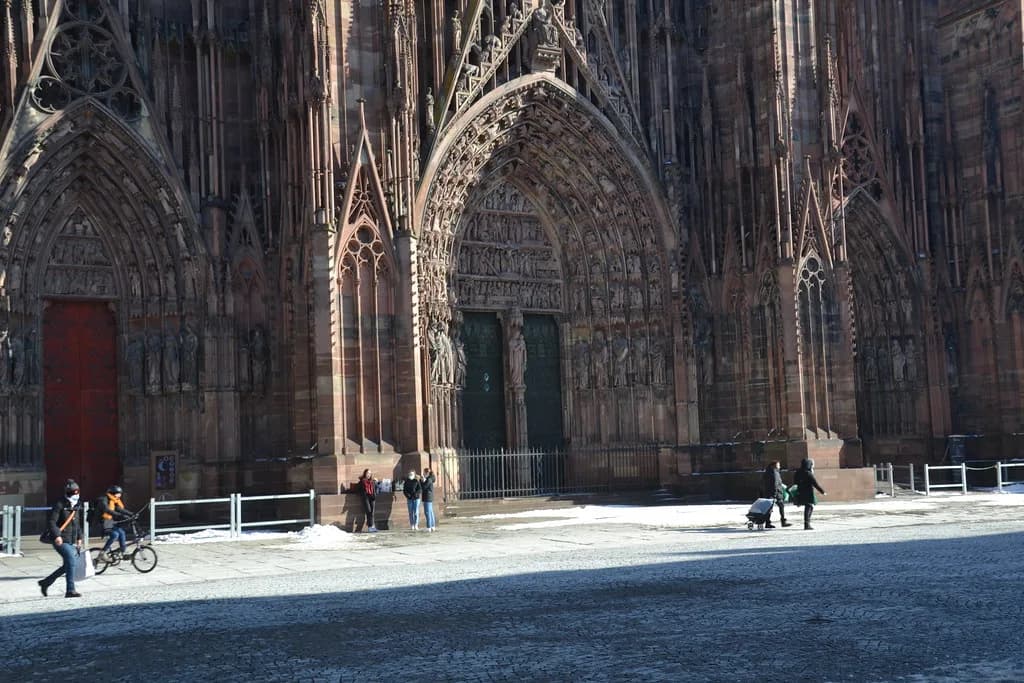
On top of your base, add a mid-layer such as a sweater, cardigan, or fleece. Choose wool or fleece for insulation; cotton can feel damp and cold if you sweat or get caught in rain. This mid-layer provides the versatility to adjust when you move from sunny afternoon squares to shadowed cathedral steps.
The final layer is your outerwear — a warm coat that blocks wind and repels moisture. That is covered next, but the principle is simple: each layer should be easy to remove and pack, letting you fine-tune your warmth throughout the day.
Essential Outerwear: Coats and Jackets for Market Evenings
Your coat is your primary defense against the cold, wind, and damp of December market evenings. For Strasbourg, a wool coat is classic and stylish, but for maximum warmth, consider a longer insulated puffer jacket, preferably waterproof or water-resistant. A long cut that covers your hips helps seal in heat, and a hood offers protection from light snow or drizzle (Dangerous Business lists a longer waterproof puffy jacket as a key item).
If you prefer a more tailored look, a wool coat is a solid choice — just ensure it is lined and thick enough for near-freezing temperatures. For extra protection, you can pair it with a packable down or synthetic vest underneath. Remember that you will stand still for long periods while sipping glühwein, so err on the side of too warm rather than too stylish.
Footwear That Can Handle Cobblestones, Frost, and Slush
Your feet will carry you over centuries-old cobblestones that can be slick with frost, rain, or slush. For that reason, waterproof boots with good traction are non-negotiable. Choose an insulated pair with a non-slip rubber sole; a low heel is easier to manage on uneven surfaces (Packfits recommends low-heeled, waterproof ankle boots for winter).
If you plan to spend most of your time in the city center, a stylish pair of waterproof leather boots can work. But if snow is in the forecast, consider sturdier winter boots with a higher shaft and more insulation. Pair them with warm, moisture-wicking socks — wool or synthetic blends are better than cotton, which loses insulating power when wet.
Also pack a pair of comfortable, grippy sneakers for daytime exploring when boots feel too heavy. You may not need them if you're on a short trip, but for longer stays they offer a welcome break for your feet. Avoid heels and smooth soles — they are hazardous on cobblestones, especially in wet conditions.
Accessories That Make the Difference: Scarves, Hats, Gloves, and More
In December, accessories are not optional extras; they are as essential as your coat. A warm hat that covers your ears, a thick scarf, and insulated gloves are must-haves for market evenings. Look for gloves that are touchscreen-compatible so you can photograph the lights without exposing your fingers, though you might also bring a pair of thin liner gloves for dexterity.
A packable down or synthetic vest is a smart addition because it adds core warmth without bulk. Similarly, hand warmers — the disposable ones you activate and slip into gloves or boots — are a favorite among experienced market goers (Dangerous Business recommends them). They last for hours and can be a lifesaver on the coldest evenings.
Outfit Ideas: Daytime Stalls vs. Evening Glühwein
For a day of exploring the stalls and the city, think practical but polished. Start with a merino base layer, add a chunky knit sweater, and finish with a waterproof-insulated jacket or long puffer coat. Below, wear warm trousers or jeans — some travelers add fleece-lined leggings under pants for extra warmth. Finish with waterproof boots, a scarf, and a crossbody bag that zips shut.
When you head out for glühwein and evening lights, you can swap the knit sweater for a slightly dressier option, such as a turtleneck or a tailored wool sweater. Keep the same coat and boots — warmth matters more than style at freezing temperatures. If you plan to dine at a nicer restaurant, bring a pair of dressy flats or low heels to change into, as your boots may not fit the vibe.
Packing Checklist for a Long Weekend: What Goes in Your Suitcase
For a four-day trip, pack a capsule that mixes and matches. Start with two or three merino or synthetic base layers, two sweaters, and one pair of warm trousers or jeans. Bring one or two pairs of wool socks, and consider packing thermal leggings if you tend to feel cold.
Outerwear is the bulkiest item, so wear your heaviest coat on the plane. Your second pair of shoes can be a comfortable pair of sneakers for changing into on travel days. Don't forget a foldable tote bag for market purchases — you will likely buy more than you expect.
A crossbody or daypack with a zip is ideal for daily outings; it keeps your hands free and your valuables secure in crowds. Add a small pouch for cash and coins, as many market stalls prefer cash over cards (Dangerous Business advises bringing cash).
Common Mistakes to Avoid: What Not to Bring
Avoid packing dressy shoes with heels — they are impractical on cobblestones and will likely end up unworn. Also skip any clothing that is not easy to layer, such as bulky sweaters that don't fit under your coat or thin blouses that won't keep you warm.
Another mistake is forgetting that you will be outdoors for long stretches. Don't underestimate the chill that sets in after an hour of standing by a stall. Leave behind heavy denim that doesn't breathe, and avoid cotton socks if you plan any walking — they can become cold and uncomfortable.
Before You Zip Up: Check the Forecast
Even with a solid packing list, the weather can change. About a week before departure, start checking the forecast for Strasbourg. If snow is predicted, add extra layers or a heavier coat; if rain is likely, ensure your jacket and boots are truly waterproof.
On travel day, wear your bulkiest items — coat, boots, and a warm sweater — to free space in your luggage for souvenirs. A backpack or tote with your essentials is easier to navigate through trams and crowds than a rolling suitcase.
Plan Your Visit
Packing for Strasbourg in December is all about warmth, comfort, and practicality. By building a layered wardrobe from thermal base layers to a serious winter coat, and choosing footwear that can handle slippery cobblestones, you'll be ready for the magic of the Christmas market without feeling frozen.
Refer to the Strasbourg packing list for a general packing guide that works all year round, and check what to wear in Strasbourg in January if your trip extends into the new year.
Frequently Asked Questions
How cold is Strasbourg in December?
December in Strasbourg typically brings cold winter conditions with temperatures often hovering near freezing. Frost is common and occasional snow is possible, so expect cold and potentially damp weather.
Is snow common in Strasbourg in December?
Snow is possible but not guaranteed in December. The city sees occasional snowfalls, so it's wise to prepare for the possibility by packing waterproof boots and a warm, weather-resistant coat.
Do I need thermal underwear for Strasbourg in December?
Thermal underwear is not mandatory, but it can be extremely helpful. A merino wool or synthetic base layer provides warmth without bulk and is a smart choice for long outdoor market visits.
What kind of shoes should I wear in Strasbourg in December?
Waterproof, insulated boots with good traction are ideal for Strasbourg's cobblestones and winter weather. Avoid heels and smooth soles for safety on slippery surfaces.
Are there dress codes for Christmas markets in Strasbourg?
There are no specific dress codes for the Christmas markets themselves. Dress warmly and comfortably, but for nicer restaurants or religious sites, consider a slightly more polished outfit.
How many layers should I wear in Strasbourg in December?
Plan for three layers: a moisture-wicking base layer, an insulating mid-layer like a sweater or fleece, and a warm outer coat. This system lets you adjust to changing temperatures.
What should I avoid packing for Strasbourg in December?
Avoid high heels, thin blouses, and non-waterproof jackets. Cotton socks and heavy denim can also be uncomfortable in cold, wet conditions.
Is it worth bringing a puffer jacket to Strasbourg in December?
Yes, a puffer jacket is a smart choice. It provides excellent warmth and packs down easily, making it ideal for layering and travel.
Sources
Free: The Ultimate Packing Cheat Sheet
A carry-on capsule wardrobe, the complete packing checklist, layering made simple, and what to wear by season — one printable page you'll use on every trip.
You might also like


Continue reading
More guides you'll find useful


