

What to Wear in Strasbourg in July
Discover what to wear in Strasbourg in July. Pack breathable layers for warm, humid days, sturdy shoes for cobblestones, and a compact waterproof layer.
On this page
Strasbourg in July: the weather in numbers
Typical July conditions from 30 years of daily weather data, split into early, mid and late month so you can match them to your travel dates.
| Dates | Early Jul (1–10) | Mid Jul (11–20) | Late Jul (21–31) |
|---|---|---|---|
| Afternoon high | 24°C (75°F) | 24°C (76°F) | 25°C (77°F) |
| Night-time low | 15°C (59°F) | 15°C (59°F) | 16°C (60°F) |
| Feels like (afternoon) | 24°C (74°F) | 24°C (75°F) | 25°C (78°F) |
| Range of afternoon highs | 19–30°C | 19–30°C | 20–31°C |
| Days with rain | 4 in 10 days | 4 in 10 days | 4 in 10 days |
| Afternoon humidity | 52% | 52% | 51% |
| Average wind | 8 km/h | 7 km/h | 7 km/h |
| Daylight | 15.8 h | 15.5 h | 15.2 h |
What this means for your suitcase
- Warm days: T-shirts and light trousers or skirts, plus one light layer.
- Rain on about 4 in 10 days — a waterproof jacket and water-resistant shoes.
- Day-to-day swings: afternoon highs range from about 19°C to 30°C, so pack for both.
Travelling on specific dates? Use our What to Wear Planner for the weather, outfits and a packing list for your exact days in Strasbourg.
Averages for 1991-2020, modelled from Copernicus ERA5-Land and ERA5 reanalysis via Open-Meteo open data (CC BY 4.0), adjusted to Strasbourg's elevation. Modelled afternoon highs can read 1–2°C below airport weather-station records.
Strasbourg in July is a city of warm days, growing humidity, and the occasional late-afternoon thunderstorm. The narrow lanes of Petite France and the wide esplanades of the European Quarter call for different outfit energy, yet the same core principle: dress in breathable layers that can adapt to a sudden downpour or a cool breeze off the Ill River. This guide focuses exclusively on what to wear and pack so you can explore comfortably without overthinking your suitcase.
July marks the heart of summer in Strasbourg, where the days are long and inviting for outdoor cafés and boat rides along the canals. Yet the city's semi-continental climate means you should expect both sunshine and showers, sometimes within the same hour. Planning your wardrobe around this variability—rather than a single forecast—is the key to staying comfortable from morning strolls to late-night dinners. For month-specific guidance in the colder half of the year, see our advice on what to wear in Strasbourg in January, but for now, focus on summer's rhythm.
July Weather in Strasbourg: What to Expect
According to climate data from the 1991–2020 period, July in Strasbourg is the warmest month, with an average temperature of 20.6°C (about 69°F), ranging from a typical low of 14.9°C (about 59°F) to a high of 26.4°C (about 80°F). Rainfall averages 75 mm over 11 days, often arriving as afternoon thunderstorms. These figures come from climate records rather than forecasts, giving you a reliable basis for your packing decisions.
These historical tendencies mean you should expect warm, sometimes hot days with high humidity, but also be ready for a cool evening or a passing storm. It's wise to check a reliable weather forecast in the days before your trip to adjust your layers accordingly.
Core Packing Principles for July
Start with a colour palette of neutrals and muted tones that mix and match effortlessly, allowing you to create multiple outfits from a few pieces. Lightweight, breathable fabrics like cotton, linen, and quick-dry blends are your allies against the humidity. Plan for sudden showers by including a compact waterproof layer and an umbrella, as well as a light sweater or jacket for cooler evenings. A light scarf can also come in handy for adding warmth when the temperature dips after sunset, as noted in this Packfits guide.
Aim for a capsule wardrobe: roughly five to seven tops, two or three bottoms, one dress or smart outfit, one light layer, and one waterproof shell. This approach keeps your luggage light and ensures every piece works together, whether you're stepping into a cathedral or settling at a canalside café. Prioritise comfort and versatility over quantity—you can always wash items or buy something locally if needed.
Essential Clothing for Warm and Humid Days
For daytime exploring, pack sundresses, shorts, and short-sleeve shirts in breathable cotton or linen. These fabrics allow air circulation and dry quickly if you get caught in a shower. Loose-fitting styles are more comfortable in the heat and humidity than tight garments. A simple cotton t-shirt paired with comfortable shorts or a flowy midi skirt works well for sightseeing in Petite France, while a linen button-down can elevate your look for a casual lunch or an evening walk.
Given the possibility of afternoon thunderstorms, consider quick-dry materials for your tops and bottoms. They are practical if you are out when the rain hits, and they make layering easier if the temperature drops. For cooler evenings, include a light knit sweater or a denim jacket that you can throw over your shoulders—it adds a smart-casual touch without taking up much luggage space.
Footwear: Choosing the Right Shoes for Cobblestones
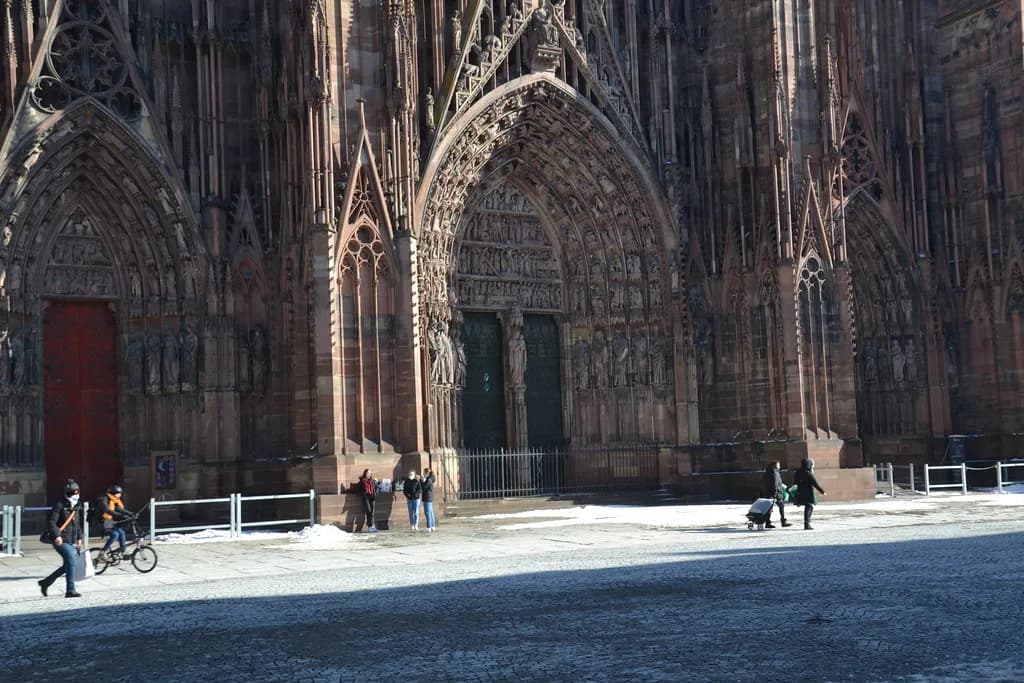
The cobblestone streets of Petite France and the Grande Île demand sturdy, comfortable shoes. Cushioned leather sneakers with grippy soles are a top choice because they handle uneven surfaces well, dry quickly after rain, and transition easily from day to evening. If you prefer sandals, choose styles with good arch support and a non-slip sole to prevent slipping on wet stones. As recommended by travel blogger Sara Watson, keeping shoes flat is key for ease of walking on the area's many cobblestone streets.
For evenings out, pack a pair of foldable flats or low-heeled sandals that won't take up much room. They are perfect for dinner at a winstub or a stroll along the Ill, and they spare your feet from the discomfort of walking on cobbles in heels. Break in any new shoes before you travel to avoid blisters, which are all too common on such terrain.
Layering for Cooler Evenings and Rain Showers
While July days are warm, evenings can turn noticeably cooler, especially near the water. Pack a light jacket or cardigan that you can easily slip on after sunset. A packable waterproof shell with a hood is essential—it protects you from sudden rain and doubles as a windbreaker along the breezy canals. Look for one that compresses into a small pouch so it's always in your day bag.
The key is to build layers that you can add or remove throughout the day without carrying a lot of bulk. A cotton t-shirt under a linen shirt, with a light sweater on top, gives you three outfit options from two base pieces. This approach also helps you adapt to temperature swings between sun-drenched plazas and shaded, cooler laneways in the old town.
Sun Protection and Accessories for Summer Days
The July sun can be intense, so pack a wide-brimmed hat, UV-protective sunglasses, and a broad-spectrum sunscreen with SPF 30 or higher. These are not just comforts but necessary precautions for spending long hours outdoors. A refillable water bottle will keep you hydrated, and a small crossbody bag with secure zippers lets you keep your valuables close while navigating the crowds.
A light scarf can serve multiple purposes: it can provide shade on your neck, double as a layer for a cool evening, or add a touch of polish to a simple outfit. If you are prone to blisters, include a small blister kit with plasters and antiseptic wipes in your day bag—your feet will thank you after hours of wandering the uneven stone lanes.
Packing for Different Areas of the City
When visiting Petite France with its half-timbered houses and canals, you'll be doing a lot of walking over old bridges and narrow alleys, so comfortable, non-slip shoes are a must. Also, keep your waterproof layer and compact umbrella handy for a sudden shower. For the more modern European Quarter, with its wide pavements and contemporary buildings, you can dress slightly more formally—pack a smart-casual outfit with tailored trousers or a simple dress that feels at home in institutional settings.
The city is well-connected by trams, convenient for moving between districts, but be aware that you will still walk a lot. Regardless of the area, the same layered capsule wardrobe works; you'll just swap your daytime sneakers for evening flats or add a blazer for a more sophisticated look. This adaptability is what makes packing light so effective in a city that straddles old and new.
A Compact 5-Day Packing Example for July
For a five-day trip, a streamlined packing list could include: 4–5 short-sleeve shirts or tops (cotton or linen), 2 pairs of comfortable shorts, 1 pair of lightweight trousers or jeans for evenings, 1 sundress or smart-casual outfit, 1 light sweater or cardigan, 1 packable waterproof jacket with hood, 1 pair of comfortable walking shoes (leather sneakers), 1 pair of sandals or foldable flats, and a compact umbrella. Add your hat, sunglasses, sunscreen, and a crossbody bag to complete the setup.
This combination covers you for all typical July scenarios: warm museum days, breezy canal walks, sudden downpours, and relaxed dinners. With these pieces, you can mix and match to create at least a week's worth of outfits without repeating the exact same look. Remember to check if your accommodation offers laundry facilities or if you're comfortable hand-washing a few items to extend your wardrobe further. For a year-round perspective, see The Complete Strasbourg Packing List.
What to Leave Behind: Items to Skip in July
Leave heavy winter coats, thick sweaters, and thermal layers at home—they will only clutter your suitcase and burden you during warm days. Likewise, skip formal attire, as Strasbourg's summer vibe is smart-casual, and even nice restaurants don't require a suit or evening gown. Jeans, while versatile, can feel heavy during humid days; opt for lighter cotton or linen trousers instead.
High heels, especially stilettos, are impractical on cobblestones and can be dangerous when they're wet. Save space by excluding bulky items like hair dryers or multiple pairs of shoes; instead, pack travel-sized toiletries and versatile accessories. When in doubt, remember that you can always purchase forgotten items locally, but you can't easily buy back the comfort of a light, well-chosen wardrobe.
Final Weather Check Before Departure
A week before your trip, start monitoring the local forecast for Strasbourg to fine-tune your packing. Look at the daily high and low temperatures, the chance of precipitation, and any humidity alerts. This will help you decide if you need to add an extra layer or swap a pair of shoes. Remember that long-range forecasts are less reliable, so check again a day or two before you leave.
If the forecast predicts a heatwave, you might want to include an extra lightweight top and a larger water bottle. If storms are likely, ensure your waterproof jacket and umbrella are easily accessible. The goal is not to chase the perfect prediction but to be prepared for the realistic range of conditions that July in Strasbourg can present, giving you peace of mind to enjoy your trip.
Plan Your Visit
Packing for Strasbourg in July is all about balancing warmth, humidity, and the chance of a thunderstorm. Focus on breathable fabrics, comfortable footwear for those cobblestones, and a versatile layering system that includes a light waterproof layer. When you pack smart, you're free to enjoy the city's charm—from the half-timbered houses of Petite France to the modern avenues of the European Quarter—without being caught off guard by the weather.
Before you finalise your suitcase, revisit your weather app and make any necessary adjustments. For a general overview of what to bring to this charming city, don't miss The Complete Strasbourg Packing List, and explore other seasonal guides for different times of year.
Frequently Asked Questions
What should I pack for Strasbourg in July?
Pack lightweight, breathable clothing like sundresses, shorts, and short-sleeve shirts, plus a light sweater or jacket for cooler evenings, a compact umbrella, and a packable waterproof layer for sudden showers. Comfortable walking shoes are essential for exploring cobblestone streets.
Does it rain in Strasbourg in July?
Yes, July in Strasbourg typically sees occasional rain, often as afternoon thunderstorms. Historical climate data shows an average of 75 mm of precipitation over 11 days, so carrying a compact umbrella or waterproof jacket is a wise precaution.
What shoes are best for Strasbourg?
Cushioned leather sneakers or comfortable walking shoes with good grip are ideal for Strasbourg's cobblestone streets. For evenings or warmer days, supportive sandals or foldable flats are good alternatives. Avoid heels that can catch in uneven pavement.
How should I dress for dinner in Strasbourg?
Smart-casual attire works well for most restaurants in Strasbourg. Pair a nice blouse or shirt with tailored trousers, a simple dress, or dark jeans, and add a light blazer or sweater for cooler evenings. You don't need formal evening wear, but avoid overly casual sportswear.
Sources
Free: The Ultimate Packing Cheat Sheet
A carry-on capsule wardrobe, the complete packing checklist, layering made simple, and what to wear by season — one printable page you'll use on every trip.
You might also like


Continue reading
More guides you'll find useful


