What to Wear in Taormina in November: Packing Guide
Plan November layers for Taormina town, the coast and a colder Etna day trip, with rain gear, evening ideas and a compact capsule to pack light.
On this page
Taormina in November: the weather in numbers
Typical November conditions from 30 years of daily weather data, split into early, mid and late month so you can match them to your travel dates.
| Dates | Early Nov (1–10) | Mid Nov (11–20) | Late Nov (21–30) |
|---|---|---|---|
| Afternoon high | 18°C (64°F) | 17°C (62°F) | 15°C (59°F) |
| Night-time low | 13°C (56°F) | 12°C (53°F) | 11°C (51°F) |
| Feels like (afternoon) | 18°C (64°F) | 16°C (60°F) | 14°C (57°F) |
| Range of afternoon highs | 15–20°C | 14–19°C | 13–17°C |
| Days with rain | 4 in 10 days | 4 in 10 days | 5 in 10 days |
| Afternoon humidity | 74% | 74% | 75% |
| Average wind | 7 km/h | 8 km/h | 8 km/h |
| Daylight | 10.2 h | 9.9 h | 9.7 h |
What this means for your suitcase
- Mild days: long sleeves with a light sweater or jacket you can take off at midday.
- Rain on about 5 in 10 days — a waterproof jacket and water-resistant shoes.
Travelling on specific dates? Use our What to Wear Planner for the weather, outfits and a packing list for your exact days in Taormina.
Averages for 1991-2020, modelled from Copernicus ERA5-Land and ERA5 reanalysis via Open-Meteo open data (CC BY 4.0), adjusted to Taormina's elevation. Modelled afternoon highs can read 1–2°C below airport weather-station records.
November in Taormina changes what you actually use from your suitcase. Coastal days can still feel mild, but evenings cool quickly, daylight shortens and the chance of rain rises, so the trip becomes more about walking the town than sitting on a beach. That shifts the packing focus toward layers you can add and remove, plus a waterproof layer you will carry every day.
The bigger packing trap is that Taormina and Etna sit in different climate zones on the same trip. The town sits on its cliff terrace above the Ionian coast, while Etna stands much higher and runs roughly ten to fifteen degrees colder, with wind and possible snow from around November.
Use this as a packing guide rather than a sightseeing plan: the goal is a small set of garments that flex across a mild town afternoon, a cool evening passeggiata and a windy mountain day. Check the current forecast before you zip the bag, because historical seasonal tendencies describe what November often does, not what it will do during your stay.
The Two-Temperature Rule: Build One Set of Layers for Town Day, Town Evening and Etna
Treat your trip as three climates to dress for: a mild town day, a cooler town evening and a genuinely cold Etna excursion. The trick is to pack layers that reassemble rather than three separate outfits. A light long-sleeve top becomes an Etna base layer, a thin knit becomes an evening mid-layer, and the same waterproof shell covers town drizzle and mountain wind.
Start with one thin, moisture-wicking base layer you can wear under everything else. On a mild town afternoon it stays hidden under a lighter shirt; on Etna it becomes the first line of warmth. Because rain is more likely in November, choose a base that dries overnight so you can rinse and re-wear it without packing extra.
For the middle layer, pack one thin knit or fleece rather than a stack of heavy sweaters. This is the piece that goes over your base in town and under your shell on Etna. If you run warm, a lighter cardigan works for the coast and you add the fleece only for the mountain day.
The outer shell is the piece that makes the whole system work. A packable waterproof jacket with a hood handles town rain and blocks wind on exposed viewpoints and archaeological sites, while a small umbrella covers you in the streets. Keep the shell in your day bag rather than your suitcase, because November showers can arrive between one stop and the next.
Coastal Day Layers: Light Tops, One Warmer Mid-Layer and Natural Fabrics
For town days, plan around light long-sleeve tops and one thin knit or cardigan that can come on and off through the afternoon. The wider pattern for southern Italy in November pairs mild daytime temperatures with a noticeably cooler evening, so a single heavy layer leaves you stuck. Packing advice for the shoulder season in Sicily points to a mix of lighter and warmer layers rather than one weight of clothing, which is why two or three light tops plus a single mid-layer can carry a five-day town stay once you re-wear and wash.
Choose cotton, light wool or other natural fabrics where you can. The coastal air carries humidity, and natural fibres tend to sit better against the skin and release odour more readily than clingy synthetics. That matters when you are walking between the town centre and the belvedere terraces and do not want to change mid-afternoon.
Pack trousers rather than relying only on skirts or shorts. Lightweight trousers handle a cool morning, a mild afternoon and an evening walk without a change, and they work for the stepped streets far better than anything loose and long. If you prefer a dress, bring one that layers easily over leggings or tights so it works beyond the warmest part of the day.
Rain Protection You Will Actually Carry: Jacket, Umbrella and Quick-Drying Trousers
A wet day in Taormina is more tiring than a cold one, mainly because the polished stone underfoot becomes slick and the walking pace slows. That makes rain protection a comfort and safety item, not just a weather item. Pack a packable waterproof jacket with a hood and a small umbrella, and keep both with you rather than leaving them at your accommodation. Sources on what to wear in Italy in November make the same call, pairing a waterproof outer layer with a compact umbrella for the wetter shoulder-season weeks.
Quick-drying trousers matter more than a second pair of jeans if rain is widely signalled. Denim stays damp and heavy, while a technical or lightweight fabric dries overnight and keeps you comfortable on a second wet day. Bring one quick-drying pair and one everyday pair, and you have a workable rotation without overpacking.
A small umbrella beats a large one when you are moving through narrow streets and stepped passages. Choose something compact enough to live in your day bag, and treat it as a supplement to the shell rather than a replacement, since wind on exposed ground can turn rain sideways. If you plan to spend long periods outdoors, a hooded shell is the more reliable piece.
Evening in Town: One Smarter Outfit for the Passeggiata and Dinner
The passeggiata on Corso Umberto is the evening ritual in Taormina rather than a formal occasion. One smarter outfit is enough: tailored trousers or a plain dress, a clean top, and one pair of shoes that can handle both a restaurant floor and a short walk home. Guidance on how Sicilians dress in the evening is consistent that smart-casual, not formal, is the benchmark, which is why a single well-chosen outfit can be re-worn across a short trip.
A scarf does more for a November evening than a heavy coat. It adds warmth at the neck when the temperature drops after dark, takes almost no space in a bag, and makes a simple outfit look intentional. A light wool or cotton scarf also works as a shoulder cover if you step into a church during the day, which is the general expectation there, not a formal rule.
Rather than packing a second evening wardrobe, plan to re-wear the same smarter outfit with different tops. Two or three light tops and one bottom that you dress up with a scarf and better shoes will cover every dinner of a short trip. Keep the fabric crease-resistant if you can, because a pressed look matters more here than a large choice of clothes.
Footwear for Stepped, Polished Stone: Grip First, Style Second
Taormina is built on terraces, and its streets climb and drop through staircases and slopes. The stone is polished and becomes slippery when wet, which turns footwear into a practical constraint rather than a style choice. Pack closed, grippy walking shoes as your default and leave the highest heels at home.
A lightweight pair of walking shoes or ankle boots with a proper sole gives you the best November trade-off. They handle rain better than mesh trainers, keep your feet dry on wet stone, and still look tidy enough for most restaurants. Packing guides for the region advise two or three pairs of shoes in total, with one practical walking pair doing most of the work and a slightly smarter pair for evenings.
Break in any new shoes before you travel. Taormina's stepped streets punish stiff footwear on the first long day, and November's mix of damp stone and uneven surfaces makes that worse. If you are unsure about a pair, wear it on a long walk at home rather than discovering the problem halfway up a staircase.
The Etna Day: Base Layer, Fleece, Windproof Shell, Hat and Gloves
Etna is the packing decision that catches people out, because it is cold, windy and exposed while Taormina below can feel mild. Temperatures drop roughly ten to fifteen degrees with altitude, snow is possible from around November, and the ground is loose volcanic material. Plan a base layer, a fleece, a windproof shell, a hat and gloves, and shoes with real grip.
Some guided tours provide boots or jackets on the upper mountain, but you should confirm what is included and what conditions apply when you book. Do not assume rental gear will be available in your size or that summit access will be open, since volcanic activity can close the upper area at short notice. Ask your operator directly about equipment, footwear and current access status before you commit.
Sunglasses and a scarf or buff earn their place on an Etna day. Light reflects off pale ash and any snow, and wind can blow grit across exposed ground. A scarf that doubles as an evening accessory in town saves you packing a separate mountain item.
Isola Bella and Mazzaro: Water Shoes, a Quick-Drying Towel and a Cover-Up
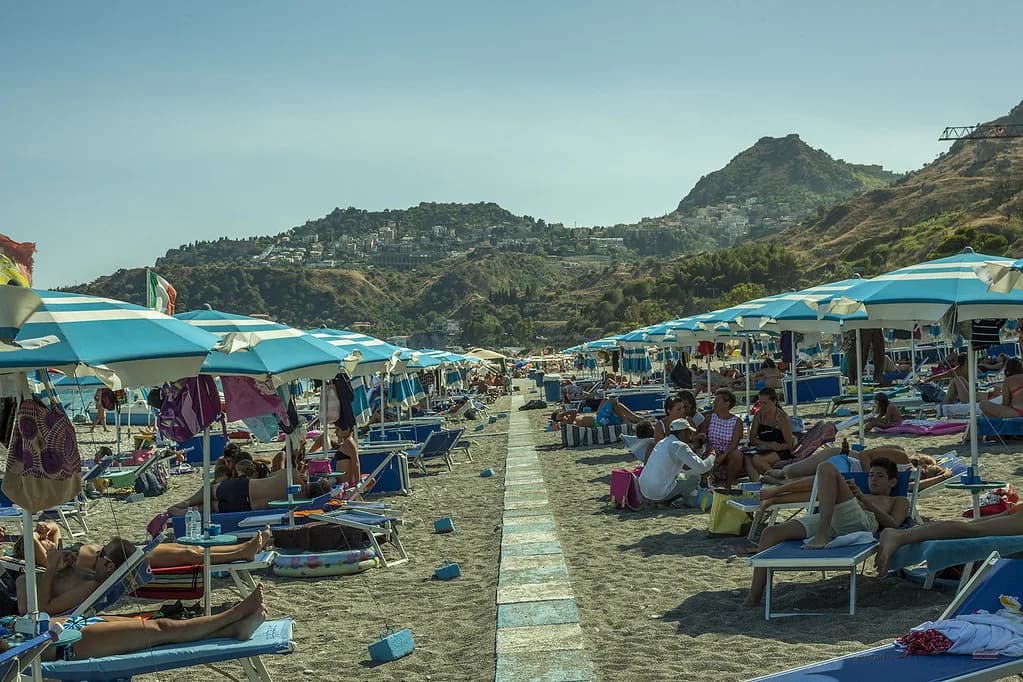
The beaches below Taormina at Isola Bella and Mazzaro are pebble and rock rather than sand, so getting in and out of the water is easier in water shoes. If you plan to take the cable car down, treat the coast as a weather-dependent option rather than a guaranteed beach day. Pack water shoes only if you intend to get in, because they take space that could go to another layer.
A quick-drying microfiber towel and a cover-up layer matter more than a second swimsuit. The towel dries fast in a small bag, and a loose shirt or dress over swimwear is the practical way to move between the beach and a bar or the cable car. Walking around town in swimwear alone is not the norm, so the cover-up is a comfort and etiquette piece rather than an extra. Packing guides for Sicily note that many of the island's beaches are pebbly or rocky, and that covering up when you leave the sand is the local habit.
A Five-Day Capsule: Two Trousers, Three Tops, One Mid-Layer, One Shell
For a five-day trip, build the bag around roughly two pairs of trousers, three tops, one mid-layer, one waterproof shell and one smarter evening item. Add one pair of walking shoes and one slightly smarter pair, and you can cover a mild town afternoon, a cool evening and a cold Etna day. This keeps the bag small while leaving room to adjust if the forecast shifts colder or wetter.
Plan to wash and re-wear rather than pack five distinct days of clothing. A sink wash of base layers and socks overnight, plus a quick-drying towel, keeps the rotation going. Choose tops that all work with both pairs of trousers so you never end up with an orphan garment you cannot wear.
Warmth Indoors: Heavier Nightwear and Warm Socks
Older Sicilian buildings and holiday rentals are often designed to stay cool in summer, and heating can be uneven or less effective than visitors expect. Pack warmer nightwear than you would for a hotel with reliable central heating, plus a pair of warm socks. A light jumper for indoors covers the gap on a cool evening without making you dig through the suitcase.
Guides to packing for Sicily say the same thing about winter nights: because the architecture prioritises keeping homes cool, heating is often inconsistent, especially in apartment rentals, so a warmer pair of pyjamas and fluffy socks are more useful than an extra daytime top. That makes warm sleepwear one of the smarter small items in a November bag.
What to Leave Behind: Heavy Coats, Beachwear as Townwear and Oversized Luggage
Leave the heavy winter coat at home. November in Taormina is mild enough that a bulky coat is more often carried than worn, and it takes the space that a useful mid-layer or shell would use better. One waterproof outer layer with room for a knit underneath covers the realistic range of town conditions.
Leave heels for the stepped streets, and leave the assumption that beachwear doubles as townwear. Taormina's stone staircases and slopes make unstable shoes a genuine hassle, and swimwear alone is not how people move through town. If your accommodation sits off the road or up a staircase, a smaller, lighter bag is easier to carry than a large hard suitcase, and Taormina packing notes are direct that a big suitcase is a liability when your rental is up a flight of steps.
Before You Leave: Check the Forecast and Confirm Etna Arrangements
Check the current Taormina forecast shortly before departure rather than relying on seasonal averages. If rain is widely signalled, add a second light waterproof layer or a compact umbrella, and treat quick-drying trousers as essential. Historical November patterns describe what often happens, not a guarantee for your specific dates.
If Etna is on your plans, confirm equipment arrangements and access status with your tour operator before you travel. Ask what clothing and footwear are provided, whether boot rental is available in your size, and how the operator handles changes if volcanic activity closes the upper area. That conversation decides whether you need to pack full mountain gear or can rely on partial rental.
Pack for Flexibility, Not Volume
The point of a November packing list for Taormina is flexibility rather than volume. If your layers can cover a mild town afternoon, a cool evening and a windy mountain day, the bag is working, and you avoid paying for a second wardrobe in luggage space or airline fees.
Finalize your choices after a last look at the forecast, and confirm any Etna equipment details with your operator before you leave. Everything else is a matter of building around one waterproof shell, one mid-layer and shoes that can handle wet, stepped stone.
Related packing guides
- Taormina Packing List: What to Wear for Hills, Beaches, and Etna
- What to Wear in Taormina in July: Heat, Sun and Sea Packing
- What to Wear in Taormina in April: Spring Layers and Grippy Shoes
- What to Wear in Ravenna in November: Damp-Chill Packing
- What to Wear in Poznan in November: Late-Autumn Packing Guide
- What to Wear in Bari in November: Packing Guide for Rain and Mild Days
- What to Wear in Bergamo in November: Packing for Cold, Damp Days
Frequently Asked Questions
What is the weather like in Taormina in November?
November generally brings mild coastal days, cooler evenings and a higher chance of rain, with a large day-to-night temperature swing. Historical patterns suggest you should plan for both a comfortable afternoon and a chilly evening in the same day, and check the current forecast before you travel rather than relying on averages.
Can you still go to the beach in Taormina in November?
Treat the coast as a weather-dependent option rather than a guaranteed beach day. Isola Bella and Mazzaro are pebble and rock beaches reached by cable car or steps, so pack water shoes and a quick-drying towel only if you plan to get in, and check conditions on the day.
What should I wear in Taormina in the evening in November?
One smarter but not formal outfit is enough for the passeggiata and dinner on Corso Umberto. Build it over a daytime base layer, add a scarf for warmth at the neck, and choose stable shoes rather than heels, because the stepped streets stay slick after rain.
Do I need a waterproof jacket in Taormina in November?
Yes, a packable waterproof jacket with a hood is one of the most useful items you can bring. November rain probability is higher, and the polished stone underfoot gets slippery when wet, so carry the jacket with you rather than leaving it at your accommodation.
What do I need to pack for a Mount Etna day trip in November?
Pack a base layer, a fleece, a windproof shell, a hat, gloves and shoes with real grip. Etna runs roughly ten to fifteen degrees colder than Taormina, with wind and possible snow from around November. Confirm with your tour operator what equipment is provided and what access conditions apply before you book.
Is November a good time to visit Taormina?
November suits travellers who prefer quieter streets and town walking over beach lounging. The trade-off is shorter daylight, a higher chance of rain and a genuine temperature gap between the coast and Etna, so flexible layers matter more than they would in summer.
Sources
Free: The Ultimate Packing Cheat Sheet
A carry-on capsule wardrobe, the complete packing checklist, layering made simple, and what to wear by season — one printable page you'll use on every trip.
You might also like


Continue reading
More guides you'll find useful