

What to Wear in Takayama in November
Packing and layering advice for Takayama in November: warm midlayers, a packable insulated jacket, gloves, a scarf and damp-weather walking shoes.
On this page
Takayama in November: the weather in numbers
Typical November conditions from 30 years of daily weather data, split into early, mid and late month so you can match them to your travel dates.
| Dates | Early Nov (1–10) | Mid Nov (11–20) | Late Nov (21–30) |
|---|---|---|---|
| Afternoon high | 14°C (56°F) | 11°C (52°F) | 9°C (48°F) |
| Night-time low | 4°C (40°F) | 3°C (37°F) | 1°C (34°F) |
| Feels like (afternoon) | 11°C (52°F) | 8°C (46°F) | 6°C (43°F) |
| Range of afternoon highs | 9–17°C | 6–16°C | 4–14°C |
| Days with rain | 5 in 10 days | 6 in 10 days | 6 in 10 days |
| Days with snow | 1 in 10 days | 2 in 10 days | 2 in 10 days |
| Afternoon humidity | 54% | 56% | 55% |
| Average wind | 6 km/h | 7 km/h | 6 km/h |
| Daylight | 10.3 h | 10 h | 9.8 h |
What this means for your suitcase
- Cool days: a warm sweater and a proper jacket — think wool or a light insulated coat.
- Snow falls on about 2 in 10 days — waterproof boots with good grip.
- Rain on about 5 in 10 days — a waterproof jacket and water-resistant shoes.
- Day-to-day swings: afternoon highs range from about 6°C to 16°C, so pack for both.
Travelling on specific dates? Use our What to Wear Planner for the weather, outfits and a packing list for your exact days in Takayama.
Averages for 1991-2020, modelled from Copernicus ERA5-Land and ERA5 reanalysis via Open-Meteo open data (CC BY 4.0), adjusted to Takayama's elevation. Modelled afternoon highs can read 1–2°C below airport weather-station records.
November in Takayama is a transition month rather than one fixed condition. Early November can still carry autumn warmth and colour, while late November leans toward early winter, with cold mornings, cool afternoons and genuinely chilly evenings after dark. Treat any temperature figure as a historical tendency to plan around, not a forecast for your dates.
The practical consequence is that a single heavy coat is usually the wrong answer for a town-based trip. A packable insulated jacket worn over a warm midlayer handles a bright afternoon and a cold dinner slot, and it compresses small enough to leave room for the rest of your kit. Build the bag around layers you can add and remove, then confirm conditions for your own travel dates before you finish packing.
Why November Dressing in Takayama Is a Moving Target
Takayama sits in the Hida Basin, where November moves the region from the end of autumn into the start of winter. Daytime can still feel mild enough for a sweater and light jacket, but the temperature drops noticeably once the sun goes, and late-November evenings call for a warm jacket, scarf and gloves. That spread is the whole packing problem in one sentence.
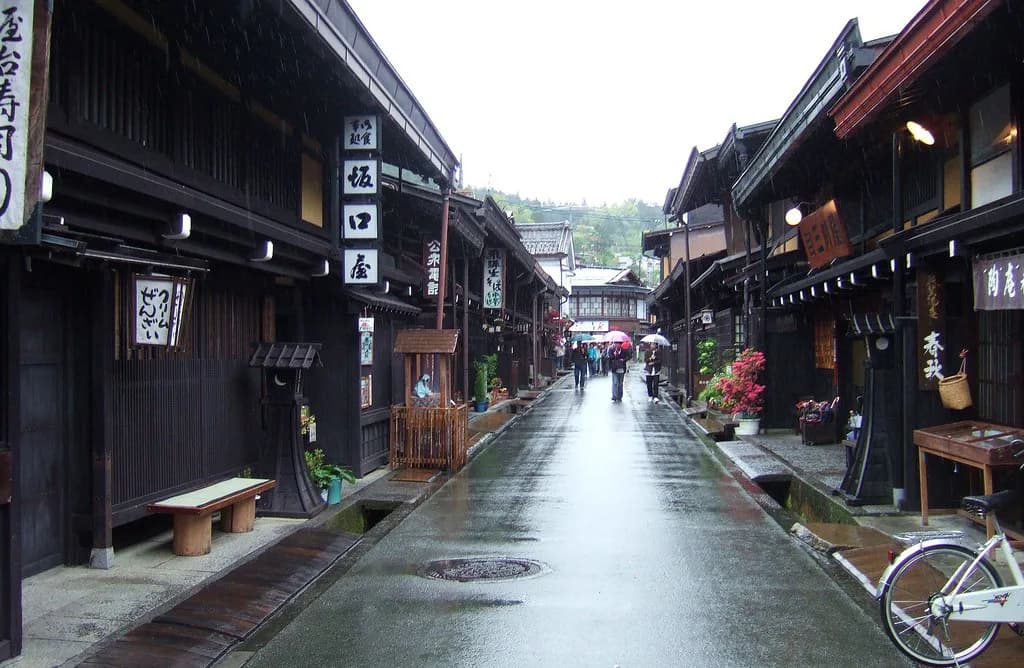
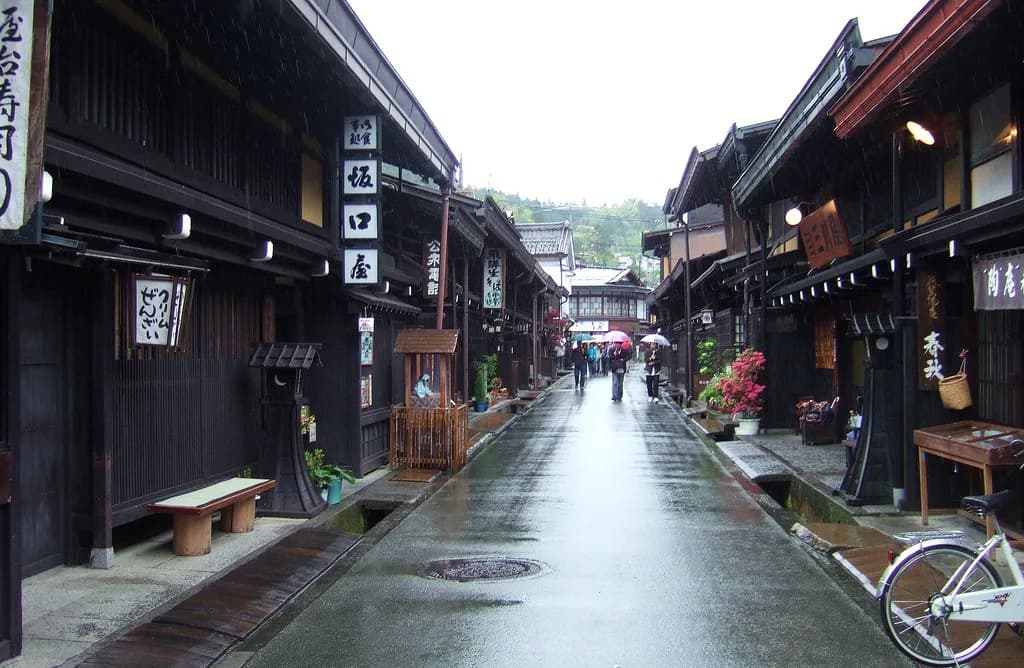
Daylight shortens through the month, so a larger share of your walking time happens in cooler, dimmer conditions. Old Town lanes, the morning markets and shrine grounds sit in shade for parts of the day, and the cold arrives earlier than the clock suggests. Plan a warm layer that works for both a full day outdoors and an early dinner in town, rather than two separate outfits.
Late-autumn foliage draws visitors to the old-town and temple areas in the first half of the month, which means more standing, more slow walking and more time outside than a normal errand day. Standing still in cool air feels colder than walking through it, so a layer you can add without going indoors matters.
Temperatures and Conditions to Pack For
Historical November tendencies in Takayama point to daytime highs averaging roughly 10–14°C (50–57°F) and nights often dropping to about 0–5°C (32–41°F), with colder nights possible. Those figures describe typical conditions across the month, not what any given day will deliver, and the second half trends colder than the first.
Rain is occasional and often light, while sleet or an early dusting of snow is possible later in the month and at higher elevations. Around the Northern Alps and Kamikochi, snow can begin from mid-November. Treat damp, cold surfaces as a packing signal rather than a certainty.
Because the range is wide, pack for the cold end of it and stay flexible for the mild end. An extra warm layer you never wear costs a little space; a missing one costs you a whole evening. Recheck the forecast in the days before departure and again on arrival, since November conditions can shift quickly.
The Three-Layer Formula for Takayama in November
Start with a moisture-wicking base layer in a thin merino or synthetic fabric that sits close to the skin. This is the layer that keeps you comfortable when you move between a warm shop, a heated train carriage and a cold street. Two base layers for a short trip is usually enough if you can rinse one overnight.
Add a warm midlayer such as a thick sweater, fleece or hoodie, which does most of the insulating work. Then finish with a compact insulated jacket or a heavier coat that blocks wind and shrugs off light rain. This combination lets you strip down to the midlayer on a mild afternoon and rebuild the full stack after sunset.
The formula beats a single bulky item because Takayama's November days move through several temperatures. A down or synthetic-insulated jacket that packs into its own pocket gives you the same warmth as a heavy parka for town use, without consuming half your bag. Reserve the heaviest outerwear for genuinely cold destinations later in your trip.
Midlayers and Knitwear That Earn Their Space
One warmer sweater or fleece is worth more than three thin ones, because it insulates better per item and reduces what you carry. A wool or wool-blend knit also keeps working when the air turns damp, which thin cotton does not. Choose a midlayer you can wear over a base layer and under a jacket without feeling compressed.
Cardigans and zip-front layers are the most useful shapes here because you can open them while walking and close them when you stop. A full-zip fleece is easier to peel off in a crowded morning market than a pullover, and it doubles as a presentable layer for an early dinner. Pack one cardigan or zip layer per two days of the trip, not one per day.
Think about the temperature swing between a sunlit afternoon and a shaded old-town lane. If your only midlayer is a thin knit, the shaded stretches feel raw, and adding a scarf can only do so much. A slightly thicker midlayer plus a light scarf covers both extremes without a second coat.
Outerwear Trade-Offs for a Compact Bag
A packable insulated jacket is the most flexible choice for a town-based November trip. It handles cold evenings, packs down for travel days, and can be worn under a shell when rain sets in. The main trade-off is wind; if your jacket has a thin face fabric, pair it with a wind-resistant midlayer on blustery days.
A longer wool coat or trench reads smarter for dinners and looks better in photographs of the Old Town, but it is heavier, bulkier and slower to dry. If you choose one, accept that you may also want a separate compact layer for a mountain day. A hood versus an umbrella is another decision: a hood keeps your hands free on a ropeway or a windy platform, while an umbrella is easier in steady rain on flat town streets.
Whichever outer layer you bring, make sure it has at least some water repellency, because November can serve light rain with little warning. A shell that folds flat adds very little weight and rescues a rainy afternoon. If you only have room for one outer layer, favour the insulated jacket and add a compact rain shell rather than a second coat.
Small Accessories That Change Everything
A scarf, a pair of gloves or mittens and a light hat are the highest-value items in a November bag. They extend the useful range of a lighter jacket, keep you comfortable at the morning markets and make an evening walk back to your accommodation far more pleasant. Gloves are the first thing people forget and the first thing they miss after dark.
Choose accessories you can wear together without bulk. A fine knit scarf takes almost no space and can be loosened indoors, while a light beanie fits inside a jacket pocket when the afternoon warms up. Mittens are warmer than gloves for standing around, though gloves are easier if you are using a phone or camera.
These pieces also help when moving between cool interiors and open grounds, since you can add or remove a scarf without changing clothes. Keep them in an outer pocket so they are reachable without unpacking your day bag. If you buy nothing else before the trip, buy this set.
Footwear for Old-Town Streets and Walking Routes
Footwear is the decision that most affects how much of Takayama you actually enjoy on foot. Water-resistant shoes or thicker boots with real grip handle uneven lanes, shrine steps and the Higashiyama Walking Course better than fashion sneakers, and they keep your feet warm on cold mornings. Surfaces are not uniformly wet or cobbled, but some stretches can be damp after rain, so treat water resistance as useful insurance.
Take one pair of walking shoes and, if space allows, one lighter pair for evenings or for a soaking-wet day so your main shoes can dry. Packing a second pair of socks turns a damp morning into a minor inconvenience instead of a cold, uncomfortable day. Heels are a poor fit for uneven lanes and temple paths, even when the plan is mostly sitting.
If your itinerary includes a mountain day, the same footwear logic applies with more weight on grip and warmth. Traction matters more on a frosty morning than cushioning, and a boot that keeps out shallow slush is worth the additional space. Leave the pristine white trainers at home.
Dressing for Temples, Shrines and Heritage Buildings
Traditional buildings and shrine grounds mean moving between cool interiors and open air more often than a normal sightseeing day. Slip-on-and-off shoes save time and hassle at entrances where you remove footwear, and warm socks keep your feet comfortable on cooler floors. This is a comfort suggestion, not a rule imposed by any site.
Gassho-zukuri farmhouses at heritage villages such as those around the region are often visited on the same day as a town walk, and indoor spaces can feel cooler than you expect. A scarf you can add indoors and a midlayer you can reopen outdoors let you adjust without changing clothes. There is no mandatory dress code to plan around at these sites, so build the outfit for your own comfort.
Pack socks that pair well with your walking shoes and keep a spare pair in your day bag. If you plan to sit on tatami or cold floors, a slightly thicker sock helps more than an extra sweater. Keep your layers quiet and easy to adjust so you can move through a visit without fuss.
Foliage Walks, Morning Markets and Colder Mountain Days
The first half of November is typically the peak window for autumn colour around Takayama, which makes the Higashiyama Walking Course and Shiroyama Park good places to test your layering system. A calm morning walk starts cold and warms as you climb, so begin with the full stack and shed the outer layer as you go. Foliage timing varies year to year, so treat peak colour as a typical pattern rather than a fixed date.
A morning market visit is a standing-and-strolling activity in crisp air, which is exactly the scenario gloves and a scarf are for. A warm midlayer plus a compact jacket is more useful here than a single heavy coat, because you can adjust as the sun clears the rooftops. Keep small purchases in a tote or day bag rather than unpacking your daypack.
A mountain or ropeway day in early November is noticeably colder than the town, and snow is possible at altitude from mid-November. Add a warm hat, gloves and a wind-resistant shell over your midlayer, and expect the temperature to fall with elevation. Check the operating status and access arrangements for mountain transport before you commit to a day up high.
How Shorter Daylight Shapes Your Packing
November days are short, which pushes much of your outdoor time into cooler hours and puts dinner and evening walks squarely in the cold. That changes the plan from a daytime outfit plus a change of clothes to one system you can wear all day and simply add to after dark. Pack a warm layer that works for a full day outdoors and an evening in town, so you are not carrying two outfits.
Sunset arrives well before dinner, so lighting and temperature drop fast on lanes and along the river. A scarf and gloves in your bag from the start of the day means you are not caught deciding whether to walk back to your accommodation. If you want to keep evenings simple, choose accommodation you can return to easily before heading out again.
A Compact Packing Example for Four to Five Days
For a four- to five-day November trip, start with three base layers that can be rinsed and dried overnight. Add two midlayers, one warm sweater or fleece and one lighter cardigan or zip layer, so you always have a dry option. This count keeps laundry optional and stops the bag from filling with near-identical tops.
Take one insulated jacket as your outer layer and one compact rain shell, plus one scarf, one pair of gloves and a light hat. For footwear, one pair of water-resistant walking shoes or boots and one lighter pair covers town days, damp lanes and evenings. That set plus two pairs of trousers fits within carry-on-sized luggage if you wear your bulkiest items on the plane.
If you plan a hot-spring stop at Okuhida Onsen or Gero Onsen, remember that you will change clothes more often and may want a second set of comfortable layers for the evening. Pack those instead of a formal outfit you are unlikely to wear. The aim is a bag that stays closed for most of the trip.
What to Leave Behind in November
Leave the full winter parka and heavy snow boots at home for a town-based trip. November in Takayama is cold, but the daytime range rarely demands expedition-grade outerwear, and both items are heavy and hard to pack. A compact insulated jacket and water-resistant shoes cover the realistic conditions. If your trip extends into December, the packing focus shifts toward deeper cold and the practical winter layering covered in What to wear in Takayama in winter.
Multiple bulky coats, summer clothing and extra formal outfits are also dead weight. You will not wear a second heavy coat, and a light shirt or dress has no role in a cold evening. If you are deciding between two warm midlayers, take the one that layers best under your jacket and leave the other.
Extra shoes beyond two pairs, a heavy tripod you will not use in the cold, and a large umbrella if you already carry a hood are all candidates to cut. Weigh the bag before you leave and remove anything you cannot justify with a specific day of the trip. It is easier to buy a forgotten item locally than to carry something you never use.
Final Pre-Departure Checks
Check the forecast for your specific travel dates in the days before departure, then check it again on arrival. Historical November tendencies give you the packing framework, but they do not tell you whether your week will be mild and clear or cold and wet. Adjust the midlayer and outer-layer balance once you know which version of the month you are getting.
Confirm any mountain transport, ropeway operations or seasonal access arrangements directly before you rely on them. Services into Kamikochi and deeper Northern Alps areas are typically suspended from mid-November until spring, and other operators set their own schedules. A quick check the day before a mountain day prevents a wasted trip.
Finally, pack layers rather than betting on one weather outcome. A bag built around a warm midlayer, a packable insulated jacket and a scarf you can add or remove is comfortable in almost any November version of Takayama. Leave a little space for anything you decide to buy along the way.
Pack for the Transition, Not the Forecast
November in Takayama rewards a layered system over a single heavy garment. The month moves from mild autumn afternoons to cold early-winter evenings, and your bag should be able to follow it: warm midlayer, compact insulated jacket, gloves, scarf, and shoes that handle uneven or damp lanes.
Check the conditions for your own dates shortly before you leave and adjust the balance between insulation and rain protection accordingly. Buy or borrow locally if something is missing, and keep the bag light enough to enjoy the walking. A modest, flexible packing list will serve you better than an overpacked one.
Related packing guides
- Takayama Packing List: Layers, Footwear and Rain Gear
- What to Wear in Takayama in Winter: Packing Guide
- What to Wear in Takayama in April: Spring Packing Guide
- What to Wear in Sendai in November: Layering for Late-Autumn Cold
- What to Wear in Luang Prabang in November: Layering Guide
- What to Wear in Fukuoka in November: Packing List & Outfit Ideas
- What to Wear in Hakodate in November: Late-Autumn Layers
Frequently Asked Questions
What should I wear in Takayama in November?
Plan around three layers: a moisture-wicking base layer, a warm midlayer such as a thick sweater or fleece, and a compact insulated jacket or heavier coat. Add a scarf, gloves and a light hat for mornings and evenings. This combination adjusts easily across a mild afternoon and a cold evening.
How cold is Takayama in November during the day and at night?
November in Takayama shifts from autumn toward early winter: the first half of the month still feels like late fall, while the second half and evenings turn distinctly colder, so you will feel the chill especially in the mornings and after dark. Plan for crisp days with the chance of light rain and even the first snowfall in the mountains, and check the outlook for your specific dates before you pack. Layer a warm knit with a jacket or coat and bring a scarf, gloves, and a light waterproof layer, plus easy-to-walk, weather-ready footwear.
Do I need a heavy coat in Takayama in November, or just layers?
Layers usually work better for a town-based trip. A warm midlayer under a compact insulated jacket covers cold mornings and evenings without the bulk of a heavy parka. A heavier coat is a reasonable choice if you run cold or plan long evenings outdoors, but you will still want a versatile midlayer underneath.
What shoes are best for walking around Takayama's old town in November?
Water-resistant walking shoes or thicker boots with reliable grip are the most practical choice for uneven lanes, shrine steps and longer walking routes. Surfaces are not uniformly wet or cobbled, but some stretches can be damp after rain. A second, lighter pair helps if your main shoes get soaked.
Should I pack gloves and a scarf for Takayama in November?
Yes, both are high-value items. They cost almost no space and make cold mornings, morning market visits and evening walks far more comfortable, and they extend the useful range of a lighter jacket. Mittens are warmer for standing still, while gloves are easier for using a phone or camera.
Can it snow in Takayama in November?
Snow or sleet is possible, especially later in the month and at higher elevations. First snow in the mountains can occur from mid-November, and access into Kamikochi and deeper hiking areas is typically suspended from mid-November until spring. Snow in town is possible but not guaranteed.
What should I pack for a four- to five-day trip to Takayama in November?
Take roughly three base layers, two midlayers, one insulated jacket, one compact rain shell, one scarf, one pair of gloves, a light hat, two pairs of trousers and two pairs of shoes. That set fits carry-on-sized luggage if you wear your bulkiest items while travelling. Adjust the counts if you plan laundry or a hot-spring stop.
Is November a good time for autumn foliage in Takayama?
The first half of November is typically the peak window for autumn colour around Takayama, including the Higashiyama Walking Course and Shiroyama Park. Colours fade in the city later in the month while remaining in valleys, and timing varies from year to year. Pack for cold mornings regardless of how the foliage is running.
Sources
Free: The Ultimate Packing Cheat Sheet
A carry-on capsule wardrobe, the complete packing checklist, layering made simple, and what to wear by season — one printable page you'll use on every trip.
You might also like

Continue reading
More guides you'll find useful


