What to Wear in Takayama in April: Spring Packing Guide
Plan what to wear in Takayama in April with a real layering system, a packable rain shell and waterproof shoes for wet, uneven paths. Pack light and adjust.
On this page
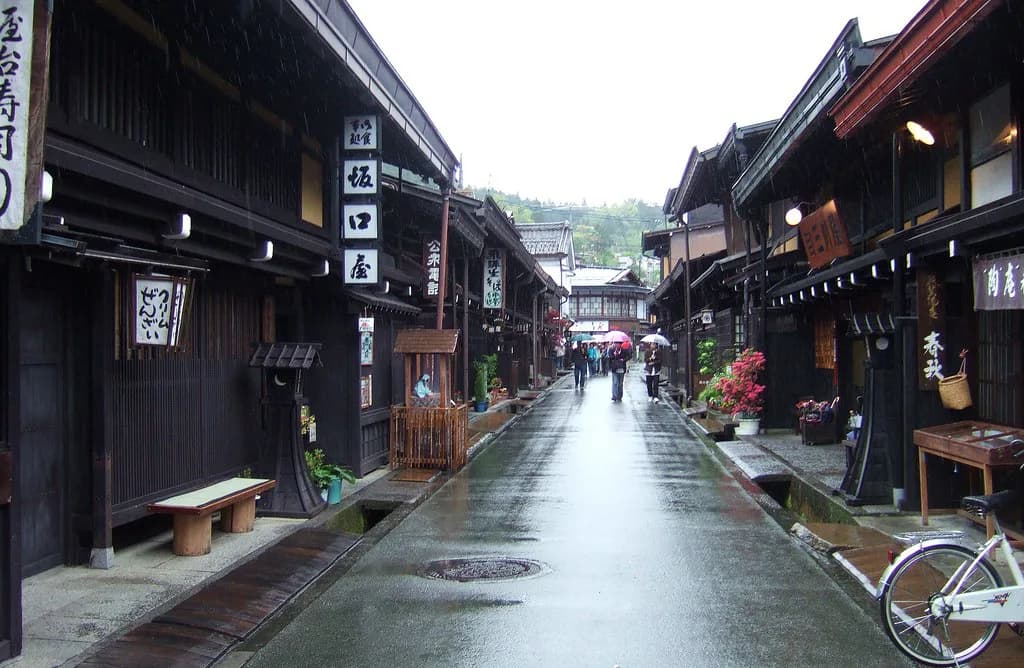
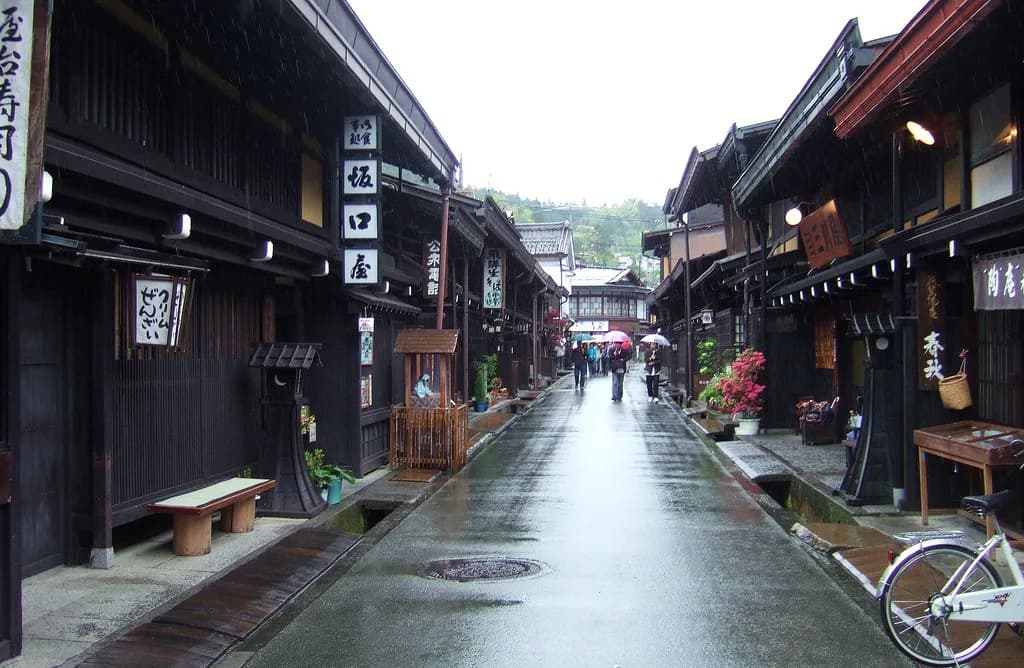
Takayama sits on a plateau in the Hida region of Gifu Prefecture, ringed by the Japanese Alps, and that setting shapes what you should pack for April more than any single temperature figure. The town's official climate guidance describes a climate more like northern Japan than the big urban centres, with a wide gap between daytime and nighttime temperatures and low humidity overall. For packing, the practical consequence is simple: you are not choosing one outfit for the month, you are choosing a small set of layers you can add and remove through the day.
The town also runs on a morning schedule, which matters to what you wear. The Miyagawa morning market along the river and the Jinya-mae market in front of the old government house draw people early, and the preserved merchant streets of Sanmachi Suji are quietest before the crowds arrive. Standing outdoors at a market or in an open square in the morning is colder than walking, so your warmest layer of the day should go on before you leave, not after you feel cold.
This guide treats April as a transition month rather than a fixed season. It covers the layer system, footwear, socks and rain kit, gives a compact packing example for a short trip, and lists what to leave behind. Check a current forecast before departure and treat every seasonal pattern here as a historical tendency, not a prediction.
Why Takayama in April Is Not a Standard Spring Packing Job
A plateau town at around 573 metres in the Hida mountains behaves differently from a coastal or lowland city in the same month. The official climate page notes the town's climate resembles that of the Tohoku Region and Hokkaido, with cool nights even in summer, heavy winter snow and low humidity overall. That combination is why April packing here is a layering problem rather than a single-jacket problem.
The same reference groups April with May and describes both as warm in the daytime but cold in the morning and evening, recommending a thin coat or jacket that can be put on when needed. Read that as a pattern rather than a promise: it describes the shape of the day, not what any particular date will do. Your packing decision is therefore to carry an adjustable layer rather than commit to one weight of coat.
Early spring here overlaps with the tail of a longer cold season. A Takayama packing guide describes a genuine layering system of base layer, fleece or light down mid layer and a windproof waterproof shell as covering roughly November to April, and notes that mountain weather can change plans. That framing is useful for April because it puts the shell and the mid layer in the same kit rather than treating one as strictly winter gear and the other as spring gear.
One planning point is less about weather than about timing. The same guide observes that Takayama runs on a morning schedule, with the markets packing up by noon and the preserved streets filling later in the day, so a visitor who starts late misses the quieter hours. If you plan to be out before the day warms, pack for the coldest hour of your itinerary first and treat everything else as an adjustment.
How to Build the Layer System
Start with a base layer that manages moisture rather than one that only adds warmth. A light merino or synthetic long-sleeve top works under everything else and can be worn alone if the afternoon turns mild. Two of these cover a short trip, and their odour resistance means you can rewear one between laundry days without feeling grubby.
The mid layer does the real work in April: a fleece or a light down jacket that packs small and adds meaningful warmth when you stop moving. A mid layer you can stuff into a day bag is more useful than a heavier one you have to carry in your hand. If you bring only one insulating piece, make it this one.
On top, bring a windproof and waterproof shell. The Takayama packing guide treats a windproof waterproof shell as part of the core layering system from November through April and notes that a packable rain jacket covers the wet shoulder seasons and doubles as a wind shell. That dual role is what earns it space in an April bag: it handles rain, blocks wind on exposed streets and adds a little warmth without bulk.
The order matters when you adjust during the day. Shed the mid layer first and keep the shell if there is wind or drizzle, then remove the shell only when it is genuinely calm and dry. Because the climate reference describes a thin coat or jacket as handy in April and May, a light packable insulated jacket or thin coat is the outer piece to bring, not a heavy winter coat.
Keep the whole system to three wearable layers plus the shell. More than that and you spend the day managing bags instead of enjoying the town, and fewer than that leaves you exposed when the morning chill returns in the evening. If you want a full seasonal breakdown of the same system, the Takayama packing list collects the layers, footwear and small kit in one place.
What April Weather Trends Mean for Your Bag
The official guidance for Takayama groups April with May as warm in the daytime, cold in the morning and evening, with a thin coat or jacket to put on as needed. That is the most useful verified statement available for planning, and it points to a day with two distinct phases rather than one steady temperature. Pack so that the morning phase is covered first.
It is worth being precise about what the reference does and does not offer. The Takayama climate page presents seasonal categories and general clothing recommendations rather than numerical April averages, so a precise temperature range for the town in April should be treated with suspicion unless it comes from an identified weather service. Check a current forecast close to departure instead of relying on a remembered average.
The town's broader climate description adds context: low humidity and a wide spread between day and night, similar in character to northern Japan. Low humidity means the cold feels drier rather than damp, and it also means you may not notice how much sun you are getting on a clear afternoon. A light scarf and a compact sunscreen earn their place more than an extra heavy sweater.
Rain is plausible in a shoulder-season month, and a shell that packs down is the answer rather than an umbrella you have to carry open or closed. If you are continuing into higher terrain, conditions will differ from the town; verify transport and road status with the operator before you commit to a tight connection. For a compact kit suited to that kind of excursion, see what to pack for a Kamikochi day trip from Takayama.
Morning and Evening Layers
Your coldest hour is likely to be the first one outdoors. At the Miyagawa market along the river or the Jinya-mae market in front of the old government house, you are standing still in the open, which feels colder than walking the same streets. Wear the mid layer and the shell from the start, and add a light scarf or a warm hat if the chill catches your ears and neck.
Evenings cool down again after a mild afternoon, and standing outdoors in a crowd is another still-air situation. A packable insulated jacket that lives in your bag during the day is worth carrying for exactly this window. If you are in town during a festival period, expect long stretches outdoors in the evening air, and plan layers and comfortable shoes rather than anything delicate.
For the shoulders and neck, a lightweight scarf is the cheapest warmth you can add or remove. It takes almost no space, works with every outfit in this guide and helps bridge the gap between a warm afternoon and a cool evening. Keep it in the same bag pocket as the shell so the two are always together.
If you run cold, add a thin pair of gloves or a pack of adhesive heat pads; the packing guide notes that heat pads are easy and cheap to buy from a convenience store on arrival. Packing fewer bulky warm items and buying a small extra locally keeps your bag light. Check a convenience store or the tourist information office when you arrive.
Daytime Adjustments
By late morning, the layer math reverses. Shed the mid layer first and carry it in your day bag, keeping the shell accessible for wind or a passing shower. If you are walking the Higashiyama temple route or the paths through Shiroyama Park, you will warm up faster than you expect on the climbs and cool down again at every stop.
A day bag that is comfortable to carry for several hours is part of the outfit, not an accessory. It needs to hold a mid layer, a shell, a water bottle and anything you buy at the markets without digging around. A simple crossbody or small backpack with one main compartment and one quick-access pocket usually beats an over-organised bag you have to unzip three times.
If the afternoon turns genuinely mild, a base layer alone with the shell tied at your waist is a reasonable editorial suggestion for walking the preserved streets. Check the forecast rather than assuming this will happen, and keep the mid layer within reach for the moment you stop moving or the sun goes behind the ridge.
Sun protection is a small but real packing item for a clear spring afternoon at altitude. A compact sunscreen and sunglasses weigh almost nothing and cover the hours when the shell comes off. Add a light hat if you plan to be outdoors through the middle of the day.
Footwear for Wet, Uneven Ground
Comfortable, waterproof walking shoes with grip are the practical choice for Takayama in spring. The packing guide notes that the Higashiyama temple walk and the Shiroyama Park paths are uneven and often wet, which makes both water resistance and sole grip useful rather than optional. You are not buying performance for a summit; you are buying a dry, stable walk across stone steps and compacted paths.
Easy on-and-off matters more than style here, because you will remove your shoes repeatedly at preserved buildings. The same guide points out that boots with long laces become a daily irritation in a town where many buildings are entered in socks. A pair with a simple closure, or one you can slip on without sitting down, will get more use than a lace-up you avoid wearing.
Traction advice in the sources belongs to December through February, not April. The packing guide ties slip-on traction devices and lugged boots to midwinter ice on the temple paths. Unless a current forecast or a local operator tells you otherwise, leave the spikes at home and prioritise a waterproof upper with a grippy sole.
If your trip involves a lot of walking in one pair of shoes, bring a second lighter pair for evenings or for days when the first pair is damp. Two pairs also let a wet pair dry while you are out. That trade-off costs some bag space and is usually worth it in a shoulder-season month with rain in the mix.
Socks and Sock-Entry Buildings
Socks are a genuine comfort item in Takayama, not an afterthought. The packing guide explains that the preserved merchant houses, the Jinya government house, the Higashiyama temples and the gassho farmhouses at Shirakawa-go are nearly all entered in socks, and nearly all are unheated or barely heated. On a cold polished floor, a proper pair of socks is the difference between enjoying the room and wanting to leave.
Pack more pairs than you think you need. Merino wool socks are a sensible choice because they stay warm when slightly damp, resist odour and dry faster than cotton. If you plan to visit several buildings in one day, keep a spare pair in your day bag so you can change after a wet walk rather than sitting in damp socks indoors.
Check your socks before you leave, not just the ones you plan to wear. Worn or holey pairs will be visible where you remove your shoes, and thin fashion socks will not help on a cold floor. A small number of plain, intact, warm pairs does more for the trip than a large selection of thin ones.
Rain and Damp-Weather Kit
A packable rain jacket is the single most useful wet-weather item for spring in Takayama, because it covers rain and wind at the same time. The packing guide recommends exactly this kind of packable shell for the wet shoulder seasons in town. Size it to fit over your mid layer rather than under it.
Keep a dry layer dry by managing where wet things go. A shell that has been rained on should not be stuffed back into the same compartment as your spare base layer, and a damp mid layer will chill you when you put it back on. A simple packing cube or a plastic bag for the wet shell solves most of this without adding weight.
An umbrella is a judgement call rather than a rule in this season. A compact one is fine in town but awkward when you are also carrying a day bag and adjusting layers, and it does nothing against wind. If you only want one rain solution, make it the shell; if you prefer an umbrella, choose a small folding one you can leave in the bag.
Waterproofing your bag matters as much as waterproofing yourself. A rain cover, or a bag made from water-resistant material, keeps spare socks, a camera or a market purchase dry. Given that the markets are outdoor and open, a lightweight dry bag for purchases is a small addition that earns its place.
A Compact Packing Example for Three to Four Nights
For a three- to four-night trip, two base layers, one fleece or light down mid layer, one packable shell and one thin insulated outer layer cover the range without overpacking. Add two pairs of trousers, or one pair plus a skirt or dress if you prefer, and keep the clothing to a neutral palette so everything mixes. That is a one-carry-on kit for most travellers.
Socks and underwear are where short trips usually go wrong. Four to five pairs of merino socks is not excessive in a town where you remove your shoes repeatedly and rain can soak a pair in an afternoon. Underwear and one or two lightweight sleep or lounge pieces round out the bag.
Footwear takes the most space, so decide before you pack. One pair of waterproof walking shoes worn on the plane plus one lighter pair in the bag is a workable split; if you only have room for one pair, make it the waterproof walking shoe and accept that it will look less dressy in the evening. Toiletries, a compact sunscreen and a small first-aid kit with blister plasters fit in the gaps.
If your trip continues into warmer weeks or a different region, the layer system travels well because you can drop the mid layer and keep the shell. The same logic applies in reverse in colder months, when a warmer mid layer and boots replace the lighter versions. When you start your main packing list, the Takayama packing list is a good reference point for a full seasonal kit.
What to Leave Behind
Leave smooth-soled fashion boots at home. The packing guide warns that smooth soles are punished by ice in winter and are a poor match for wet, uneven temple and park paths in other seasons. If you want one pair of shoes that covers the whole trip, choose grip and water resistance over polish.
Leave sandals unless a warm forecast specifically calls for them. The climate reference describes April and May as warm by day but cold in the morning and evening, so open shoes leave your feet exposed during the coldest part of your itinerary. A light pair of closed shoes is more versatile this month.
Leave the all-or-nothing heavy coat behind. A single very warm coat is awkward to carry when the afternoon turns mild and does not layer well over a mid layer. The thin coat or jacket the climate page recommends for April and May is the more flexible choice alongside your shell.
Leave duplicates you know you will not wear, and leave the extra pair of shoes if you are in town for only two nights. A large suitcase is also a liability if you plan to day-trip or travel onward by train, because station lockers can fill. Pack so you can carry everything yourself on a busy morning.
Before You Leave
Check a current forecast for Takayama in the days before departure rather than relying on a seasonal average. The climate reference gives useful patterns but not a prediction, and an April trip can include a mild afternoon and a cold morning within the same visit. Look at the daily high and low together, and note the overnight low when you plan your evening layer.
If your itinerary continues into the mountains, confirm transport and road conditions with the operator before you travel. The packing guide notes that heavy weather can close roads and delay or cancel buses, and that building slack into the schedule is wiser than booking a tight onward connection. That advice applies in the shoulder season as well, when conditions change quickly.
Confirm opening arrangements for the specific places you want to visit rather than assuming a fixed schedule. Markets, preserved buildings and buses can have seasonal hours or temporary changes, and the local tourism site or the operator is the right place to check. A quick look before you go avoids a wasted morning.
Finally, decide your layer count before you zip the bag. If you can wear three layers and carry two, you are set for a cold market morning and a mild afternoon without hauling a heavy coat. That flexibility, rather than any single item, is what makes April packing in Takayama work.
Plan Your Visit
April in Takayama rewards a small, adjustable kit over a single heavy purchase. Build a base layer, a packable fleece or light down mid layer and a windproof waterproof shell, then add waterproof walking shoes, more socks than you think you need and a bag that keeps a dry layer dry. Check a current forecast before departure and confirm transport if you are heading into higher terrain.
The seasonal reference supports the shape of the day rather than exact figures, so plan for a cold morning, a warmer afternoon and a cool evening. Treat every recommendation here as a comfort suggestion, not a rule about what you must wear.
Frequently Asked Questions
What should I wear in Takayama in April?
Plan around a layering system rather than one outfit: a base layer, a fleece or light down mid layer and a windproof waterproof shell, with a thin packable insulated layer for cold mornings and evenings. Official seasonal guidance for Takayama describes April as warm in the daytime but cold in the morning and evening and suggests a thin coat or jacket you can put on. Add comfortable waterproof walking shoes, warm socks for sock-entry buildings and a compact rain shell.
Is Takayama cold in April?
The town's own seasonal clothing guidance groups April with May as warm in the daytime but cold in the morning and evening, so the answer depends on the hour rather than the month. Takayama sits on a plateau and its climate is described as similar to northern Japan, with a wide day-to-night temperature range and low humidity. Check a current forecast before departure rather than treating a seasonal pattern as a prediction.
Do I need a winter coat in Takayama in spring?
A heavyweight winter coat is usually more than you need for April. The climate reference recommends a thin coat or jacket for April and May, and a layering system with a packable mid layer covers the cold morning without weighing you down in the afternoon. If you run cold, bring a light insulated jacket you can carry rather than a heavy coat you have to hold.
What shoes should I wear in Takayama in April?
Comfortable, waterproof walking shoes with grip are the practical choice. Temple paths and park trails in Takayama are uneven and often wet, so a sole with real traction and a water-resistant upper make the walking easier. Choose something easy to remove, because preserved buildings are entered in socks and long laces become a daily irritation.
Do I need snow boots in Takayama in April?
Snow boots and slip-on traction are winter kit. The Takayama packing guide ties lugged boots and traction devices to the icy months from December through February, not to April. Unless a current forecast or a local operator indicates otherwise, a waterproof walking shoe with grip is the better trade-off for spring.
Do you have to take your shoes off at Takayama Jinya?
Preserved buildings in Takayama, including the Jinya government house, merchant houses and the gassho farmhouses at Shirakawa-go, are generally entered in socks. That makes socks a comfort item rather than an afterthought, especially on cold wooden floors. Pack several warm pairs and spare socks in your day bag so a wet walk does not leave you sitting indoors in damp feet.
How many layers do I need for a spring trip to Takayama?
Three wearable layers plus a shell is a workable system: a base layer, a fleece or light down mid layer and a thin insulated or coat layer, with a windproof waterproof shell over the top. That lets you strip down to a base layer on a mild afternoon and add everything back when the evening cools. Pack two base layers for a short trip so one can dry while you wear the other.
Does it rain in Takayama in April?
April falls in a shoulder season with variable weather, and a packable waterproof shell is the sensible precaution. The available seasonal reference does not give Takayama-specific April rainfall figures, so check a current forecast rather than a remembered average. A shell that also blocks wind is more useful than a bulky rain jacket you will not carry.
Sources
Free: The Ultimate Packing Cheat Sheet
A carry-on capsule wardrobe, the complete packing checklist, layering made simple, and what to wear by season — one printable page you'll use on every trip.
You might also like


Continue reading
More guides you'll find useful