
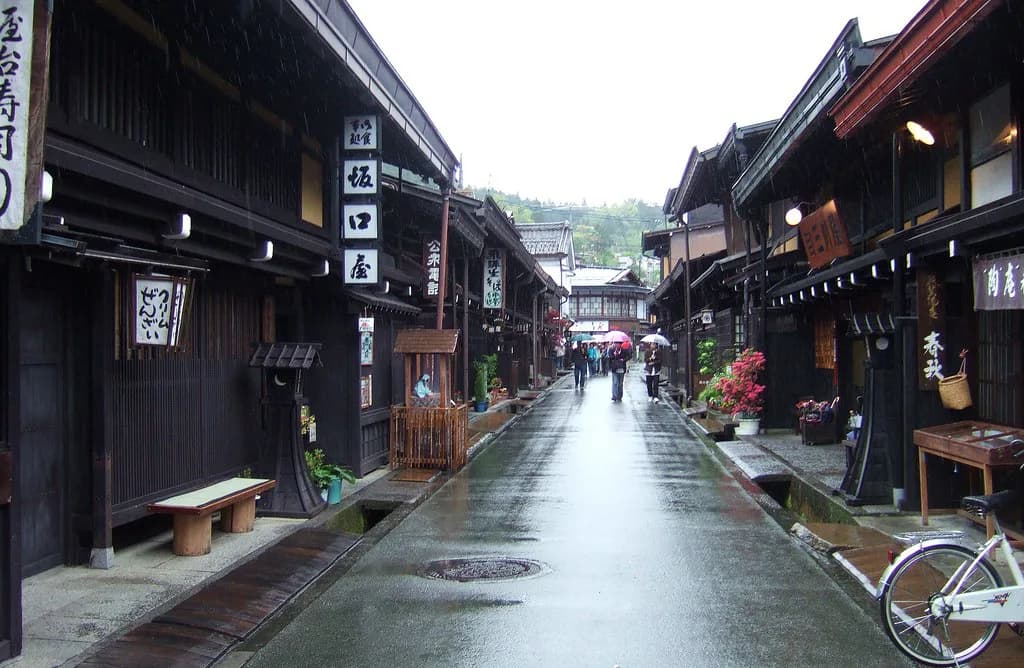
What to Pack for Onsen and Sento in Takayama
Pack for Takayama's onsen and sento with a small towel, slip-on footwear, and a modest layer for shared spaces, plus what to leave behind and when to check.
On this page
Packing for a bath in Takayama is not the same as packing for a day of sightseeing. An onsen or sento visit moves you through a changing room, a washing area, and a shared bath, so a few small items do most of the work. Get these right and the rest of your day bag stays light.
Takayama sits in the Hida Basin, and bathhouses here follow the same general routines as bathing facilities elsewhere in Japan: you change, wash first, then soak. Onsen and sento differ mainly in the water source, not in what you carry to the door. For the broader clothing and footwear decisions around those outings, start with the Takayama packing list.
What follows is a packing guide, not a sightseeing plan. It separates bathing practices from comfort suggestions so you can see which items are expected and which are simply worth carrying.
Onsen, Sento, and Why Your Day Bag Matters
An onsen uses naturally occurring hot spring water, while a sento is a public bathhouse that may use heated tap water or, in some cases, natural hot spring water. Both are bathing spaces with changing rooms and shared baths, so the distinction affects what a facility advertises rather than what you need to carry.
The practical part is the bag. You will likely change footwear, hang a layer, carry a small towel, and keep larger items in a locker. A day bag that opens wide and closes securely beats a tote that spills when you set it down.
Bath settings in the area range from ryokan baths to day-use facilities to foot baths, and each has a slightly different routine. A foot bath, for example, lets you soak your feet while fully clothed, so it demands even less gear. If your day includes walking around the Hida Basin before or after a soak, plan your bag so the bathing kit is a small removable pouch.
The Core Bathing Kit: Small Towel, Hair Tie, Toiletries
The load-bearing item is a small towel or cloth. In most Japanese onsens, you remove your clothes in the changing room and bring only a small towel into the bathing area if the facility allows it, and you keep that towel out of the bath water itself.
Leave the large towel outside the bathing area, on the shelves usually provided near the entrance or in your locker. A compact towel then serves several jobs: drying after washing, a quick wipe before dressing, or a modest cover while moving between spaces.
A hair tie is easy to overlook and annoying to improvise. If you have long hair, tie it up so it does not touch the bath water. Toiletries are a judgment call: many facilities provide shampoo and body wash, but availability can be limited during busy periods, so travel sizes are a reasonable backup.
If you want a modesty towel or robe for walking between the bath and shared spaces, treat it as part of this kit rather than a separate item, and add a small plastic bag for the damp towel afterward so it does not soak the rest of your bag.
Footwear for Changing Rooms and Shared Spaces
Changing rooms require removing your shoes, and some facilities use separate slippers for the toilet or bathing area. The easiest choice is footwear you can slip on and off without bending or untying, ideally something that also handles a short outdoor walk to the bathhouse.
A trade-off: slip-on shoes are quick at the door but less secure on wet or icy ground. If you visit in a colder month, prioritize grip and accept slower removal. Warm socks are worth considering for the same reason, since you may be barefoot or in facility slippers inside.
If you plan repeated bath visits during your stay, keep one pair of shoes for bathing runs and one for town so the changing-room routine stays short. If your visit falls in November, a warmer version of the same slip-on approach is covered in what to wear in Takayama in November.
A Modest Layer for Walking Between Baths and Shared Spaces
Between the locker room and the bath, and again in the powder room or rest area, you may want a modest layer or cover. A light robe, a clean set of clothes for afterward, or a simple cover changes the experience without adding much weight.
For walking to and from the bathhouse outdoors, choose outerwear that does not fight your slip-on footwear. In the cooler months, a removable outer layer helps because bathhouses and lodgings run warm inside, and you can shed it once you are back indoors. A spring visit can use the same idea with a thinner layer, and what to wear in Takayama in April covers the outerwear side of that setup.
Material matters more than style here. Quick-drying fabrics handle steam, splash, and post-bath humidity better than heavy cotton, and they pack smaller, which keeps the bath pouch genuinely compact.
A Compact Trip-Length Packing Example
For a short stay, build a bath pouch rather than a second suitcase. Put the small towel, hair tie, travel toiletries, a damp bag, and a modest cover in one drawstring or zip pouch that moves between your day bag and your accommodation.
Keep clothing counts simple: one change of clothes for after bathing, one outer layer for walking to the bath, and the shoes you wear for both. That covers most trips. If you are fitting the bath kit around a longer outing, the Kamikochi day trip packing guide from Takayama shows how a day bag can absorb one extra pouch.
The goal is a kit you can repack in under a minute in a locker room. If something in the pouch has gone unused by the second visit, leave it at your accommodation for the next one.
What to Leave Behind
Keep towels, phones, and other personal items out of the bath water. That rule shapes your packing list more than any other: no large towel in the bathing area, no phone at the edge of the tub, nothing that can fall in.
Jewelry is convenient to leave at your accommodation. Rings and necklaces slip off in changing rooms and are the kind of small item a locker is designed to hold. The same logic applies to anything you do not want wet: paper items, electronics that are not water-resistant, and extra layers you will not wear indoors.
Before you pack, confirm the current policy on tattoos and mixed-gender baths, since these vary from one bath to another. Some onsens welcome tattoos, some ask that they be covered, and others do not allow them in shared baths, so check the specific property rather than assuming a national rule.
Before You Go: Checking the Forecast and Facility Rules
Seasons shift in the Hida Basin, so the same bath kit works year-round while the layer around it changes. Check the forecast for the specific dates of your trip before you finalize clothing, and treat any seasonal packing advice as a starting point rather than a fixed rule.
Facility rules are equally worth confirming. Towel arrangements differ between staying guests and day-use visitors, and some day-use facilities rent towels, so ask what your accommodation or bathhouse provides before deciding which towel to carry.
A quick pre-departure check covers three things: the expected weather, whether the bath provides towels and toiletries, and the current tattoo policy if that applies to you. That five-minute check prevents most of the rethinking that happens in a locker room.
Plan Your Bathing Kit
Build the kit around the small towel and keep everything else secondary. Add a hair tie, travel toiletries, slip-on footwear, a modest layer for shared spaces, and one pouch to hold it all. Leave large towels, jewelry, phones, and anything you do not want wet behind.
Match the layer to the season rather than to a fixed checklist: a lighter modest layer for warmer months and a heavier outer layer for colder ones. The Takayama packing list already covers the core outerwear and footwear decisions, so the bath kit only needs to slot into that setup.
Finally, verify the forecast and the facility's current towel and tattoo policies rather than relying on assumptions. Once your pouch is ready, the bathing routine asks very little else of your luggage.
Frequently Asked Questions
Can I wear jewelry in an onsen?
It is safer to leave jewelry at your accommodation. Changing rooms and lockers are not designed for small valuables, and anything you wear into the bathing area can slip off. If you want to keep a piece with you, store it in your locker before you undress.
Do I need to bring my own towel to an onsen or sento in Takayama?
Many facilities provide or rent towels, but availability can be limited during busy periods. A small towel or cloth is the standard item to bring into the bathing area, while a large towel stays in the changing room. Confirm whether your accommodation or day-use bath provides towels before you pack.
What should I wear to and from an onsen in Takayama?
Choose something easy to remove and easy to put back on, with slip-on footwear for changing rooms. A modest layer or cover is useful for walking between the bath and shared spaces. Match the outerwear to the season and check the forecast before you go.
Should I bring toiletries to an onsen or sento?
Many facilities provide shampoo and body wash, but supply can run short during busy periods. Bringing your own travel sizes is a reasonable backup, and you can leave full-size bottles at your accommodation.
Sources
Free: The Ultimate Packing Cheat Sheet
A carry-on capsule wardrobe, the complete packing checklist, layering made simple, and what to wear by season — one printable page you'll use on every trip.
You might also like

Continue reading
More guides you'll find useful


