
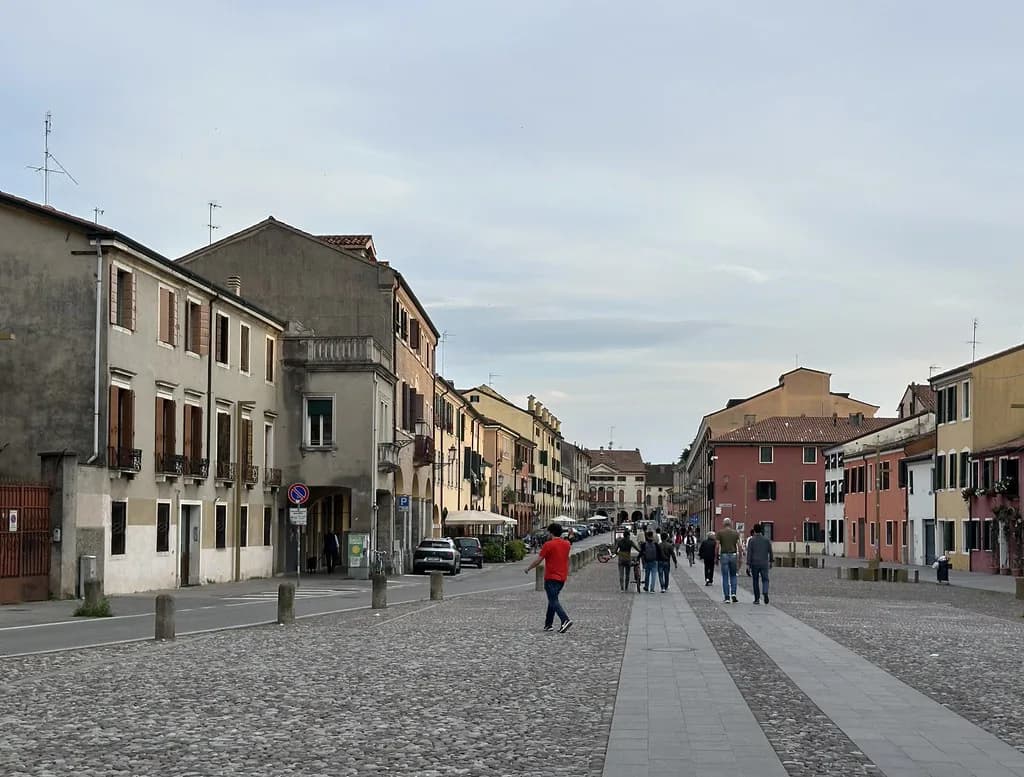
What to Wear in Padua in July: Summer Packing Guide
Plan July outfits for Padua with breathable fabrics, sun protection, and a light layer for churches, air conditioning, and possible evening storms.
On this page
Padua in July: the weather in numbers
Typical July conditions from 30 years of daily weather data, split into early, mid and late month so you can match them to your travel dates.
| Dates | Early Jul (1–10) | Mid Jul (11–20) | Late Jul (21–31) |
|---|---|---|---|
| Afternoon high | 28°C (83°F) | 29°C (83°F) | 30°C (85°F) |
| Night-time low | 19°C (65°F) | 19°C (66°F) | 20°C (67°F) |
| Feels like (afternoon) | 29°C (85°F) | 30°C (86°F) | 31°C (88°F) |
| Range of afternoon highs | 25–32°C | 25–32°C | 26–34°C |
| Days with rain | 3 in 10 days | 3 in 10 days | 2 in 10 days |
| Afternoon humidity | 52% | 51% | 49% |
| Average wind | 7 km/h | 7 km/h | 7 km/h |
| Daylight | 15.4 h | 15.1 h | 14.8 h |
What this means for your suitcase
- Hot afternoons: loose, breathable fabrics like linen or cotton, short sleeves and a sun hat.
- Showers on roughly 3 in 10 days — a packable rain jacket or compact umbrella.
Travelling on specific dates? Use our What to Wear Planner for the weather, outfits and a packing list for your exact days in Padua.
Averages for 1991-2020, modelled from Copernicus ERA5-Land and ERA5 reanalysis via Open-Meteo open data (CC BY 4.0), adjusted to Padua's elevation. Modelled afternoon highs can read 1–2°C below airport weather-station records.
July in Padua means humid heat that lingers between buildings, intense sun across open squares, and interiors that swing cold the moment you step inside a church or museum. The city sits flat and walkable, so most days mix long stretches outdoors with short stops in cooler spaces. Packing well here is less about looking a certain way and more about staying comfortable through all three conditions in a single afternoon.
The wardrobe that works is breathable and light, with one layer that earns its place in three situations: bare shoulders in a religious site, an over-chilled gallery, and a breezy evening after a storm. Getting those pieces right matters more than packing volume. If you want the full seasonal breakdown first, the Padua packing list covers the year-round essentials, while this guide stays focused on July-specific decisions.
What July Feels Like in Padua, and How to Read Seasonal Norms
Treat July in Padua as historically humid and hot rather than as a forecast. General summer guidance for Italy describes hot days that can still cool in the evening, which is why a light layer belongs in the bag even in the hottest month. That pattern is a seasonal tendency, not a promise for your specific dates.
Rather than trusting any article's numbers, check a current forecast in the days before you fly and again the morning you leave. Look at the daily high, the overnight low, and the chance of rain, then adjust how many warm-weather pieces and how much rain gear you actually carry. A ten-day outlook is useful for layering decisions, but only the short-range forecast should drive what goes in your day bag.
Padua's heat is urban rather than coastal, which changes fabric choices. Stone squares and building-lined streets trap warmth and reflect light, so you feel the sun from above and the stored heat from the pavement below. Light colors, loose cuts, and a hat do more for comfort here than any single technical garment.
Fabrics That Work: Linen, Cotton, and Gauze
Breathable natural weaves are the backbone of a July wardrobe in Italy: linen, cotton, seersucker, rayon, and gauzy blends all let air move and dry quickly. Linen matching sets, breezy dresses, and lightweight trousers appear repeatedly in summer packing advice for the country, and the reasoning holds in Padua. The goal is fabric that lifts away from damp skin instead of clinging to it.
Synthetic, clingy fabrics are the first thing to leave at home. Polyester blends that trap sweat look and feel worse by mid-afternoon and are slow to dry if you rinse them in a sink. If you own a technical piece you love, fine, but build the core of the wardrobe from weaves that breathe on their own.
Wrinkle tolerance is part of the trade-off. Linen creases, and that is normal in an Italian summer rather than a sign you packed badly. A quick steam from a hot shower relaxes most creases overnight, so a travel steamer is optional weight rather than a necessity.
Daytime Outfits for Open Piazzas
A dependable daytime formula is a loose top with light trousers, a midi skirt, or a flowy dress, finished with structured sandals or breathable sneakers. Roomy blouses, light denim, and culottes give coverage without bulk when shorts feel like too little. The fit matters more than the item: anything snug across the back and waist will show every bit of humidity by lunchtime.
Light, elegant dresses are a practical default because one piece does the work of two and moves easily from sightseeing to an evening aperitivo. Choose fabrics with a bit of drape and patterns that hide creases. A dress that accepts sneakers during the day and a change of sandals at night gives you two outfits from one garment.
Keep the palette light and the cuts relaxed, and you will be dressed appropriately for both a morning in a piazza and a table at lunch. Italian summer style leans toward simple, well-fitting pieces rather than athletic wear, so a clean cotton shirt or a plain dress reads better than a technical hiking outfit. This is editorial guidance about comfort and context, not a rule anyone will enforce.
Sun Protection That Earns Its Space
A brimmed hat and sunglasses are the two accessories worth carrying every day, especially for open squares with little shade. Summer guidance for Italy repeatedly names a sunhat and sunglasses among the lifesaving items, particularly where the sun is intense. A structured straw hat or a packable bucket hat adds shade to your face and neck without much weight.
A light long-sleeve layer helps during peak midday exposure, when bare arms take the brunt of the sun. Gauzy cotton or a linen button-down worn open over a tank gives coverage while still breathing. This is a comfort and coverage strategy rather than a medical one, so pair it with whatever sun protection you normally use and adjust to your own tolerance.
Pack a small crossbody bag with a zip so your hat, sunglasses, and layer have a home when you duck indoors. Woven totes are pleasant for a market morning but less secure in crowds. A compact bag that stays close also keeps you from setting items down on hot stone benches.
Shoulders and Knees in Churches and Museums
Keep a light scarf or cardigan in your day bag so you can cover shoulders and knees before entering a church or religious site. Summer packing advice for Italy consistently recommends carrying one modest outfit or an easily draped layer as a courtesy to people worshiping inside. In some major religious sites, coverage is actually required, which is why the habit is worth keeping everywhere.
A large scarf does the job in seconds: drape it over bare shoulders at the door and remove it on the steps outside. A thin cardigan works the same way and doubles as your air-conditioning layer. Either option weighs almost nothing and takes up less space than a dedicated modest outfit you would wear once.
Treat this as an editorial courtesy supported by general Italian summer guidance, not as a universal legal rule you need to verify for every building. Specific sites set and publish their own expectations, so check the individual venue's visitor information if you want certainty before you go. A scarf in the bag removes the question entirely.
One Lightweight Layer for Air Conditioning and Evenings
A single light layer covers the widest range of July situations in Padua: cold museum galleries, air-conditioned churches, and evenings that cool after a storm. A light sweater, denim jacket, or linen wrap is the usual recommendation for Italian summer travel because interiors and nights run cooler than the street. Choose one and make it neutral so it works over everything else in the bag.
If you can only bring one, pick the piece that also covers your shoulders in a religious setting. That overlap is what keeps the packing list short: the same cardigan that warms you in a gallery satisfies the coverage question at a church door. Two functions from one item is the whole point of packing light for humid heat.
Test the layer against your daytime clothes before you leave home so you know it layers cleanly over the loosest tops you are bringing. A jacket that only fits over a fitted shirt is dead weight. Loose, unstructured layers slide on and off without a mirror.
Rain and Thunderstorm Contingency
Summer thunderstorms are a real possibility in northern Italy, so a compact umbrella or a packable rain shell is reasonable insurance even though many summer packing lists skip rain gear entirely. The key is to bring something small enough that you do not resent carrying it on the dry days. A folding umbrella that fits in a crossbody beats a bulky rain jacket you never wear.
Quick-dry footwear matters more than the rain layer itself. Leather sandals and canvas sneakers that hold water for hours can wreck an evening, while shoes that drain and dry overnight keep the next day intact. If you bring one pair that dislikes water, make sure you have another that does not.
Do not treat any article's storm predictions as fixed. Check the short-range forecast each morning and move your indoor stops, museums, and churches to the afternoon if rain looks likely. That kind of flexible planning does more than any specific garment.
Footwear for Cobblestones and Long Walking Days
You will walk more than you expect, and Padua's historic center means uneven stone underfoot, so footwear is the single most important packing decision. Summer advice for Italy favors comfortable sneakers and supportive sandals over anything flat and flimsy. The best pair is the one you already know survives a full day on your feet.
Break in any new shoes before the trip. A pair that fits perfectly in a carpeted store can blister on hot stone, and July heat makes feet swell, which tightens the fit over the course of the day. If a shoe is borderline at home, leave it behind.
Two pairs is generally enough: one closed, breathable sneaker for long walking days and one supportive sandal for heat and evenings. Flip-flops are the classic mistake, because they offer no support, slip on smooth stone, and read as beachwear in a city center. Save them for a pool or a beach day if your itinerary includes one.
A Compact Week-Long Packing Example
For a seven-day trip, build the wardrobe around mix-and-match pieces rather than daily outfits. A workable editorial example is two flowy dresses, one pair of linen trousers, one midi skirt, two light tops, one oversized button-down, one light layer, one pair of sneakers, one pair of supportive sandals, a swimsuit if your plans include water, and one small crossbody bag. Exact counts are a suggestion, not a rule, so trim or add based on how you actually dress.
This set produces more than seven combinations because each top works with the trousers, the skirt, and under a dress as a layer. Laundry once midweek, either in a sink or nearby, resets the count and keeps the bag carry-on sized. Choose fabrics that dry overnight so a midweek wash does not leave you waiting.
One outfit for a nicer dinner and one light layer for cool interiors round out the list. If your trip includes a day out of the city, see what to pack for a Brenta Riviera villa day from Padua, since a boat and garden day adds its own small decisions. Keep everything else in the same palette so nothing in the bag clashes.
Adapting the Same List for Men
The same logic translates directly: tailored shorts that fall near the knee, light button-downs, breathable cotton or linen tees, and one pair of light trousers cover nearly every situation. Neutral leather sneakers or loafers work for evenings, and a clean pair of closed shoes handles longer walking days. Avoid heavy denim and anything with a technical, athletic look if you want to fit the setting.
One unstructured layer, such as a linen shirt worn open or a light overshirt, handles both air-conditioned interiors and the church-door coverage question. Keep colors simple and fabrics breathable, and the whole wardrobe fits in a carry-on. The goal is the same as any other packing list: fewer pieces that work harder.
What to Leave Behind
Heavy denim and thick layers are the clearest omissions for July in Padua. Jeans are possible in a lightweight cut, but the heavy, stiff pairs you wear in winter will feel unbearable in humid heat and take forever to dry if they get caught in rain. Bulky sweaters, coats, and anything designed for cold weather stay home.
Athleisure, short shorts, and flip-flops are the next candidates to cut. Summer guidance for Italy notes that athleisure is generally reserved for workouts, that very short shorts are uncommon among locals, and that flip-flops are poor for walking city streets. None of this is a prohibition, but these items tend to cost packing space and comfort without earning either back.
Finally, drop the single outfit you would wear once. A formal dress, a second pair of heels, or a specialty jacket rarely justifies its weight on a week-long summer trip. If an item only works for one specific evening, rent or improvise instead.
Before You Go: Check the Forecast and Adjust
Two or three days before departure, look at the current forecast for Padua and adjust three things: how many warm-weather pieces you pack, whether the rain layer comes, and which shoes make the cut. If a hotter stretch is showing, prioritize loose fabrics and sun coverage. If rain is in the outlook, make sure your second pair of shoes dries quickly and that your umbrella fits your day bag.
Reread your list once more with the forecast open and remove anything you cannot picture wearing in the conditions shown. This small step prevents the classic mistake of packing for an average July that may not match your actual week. If you are weighing a cooler season instead, the guide to what to wear in Padua in November shows how sharply the packing list shifts.
If your trip also touches another hot-weather city, the tips on what To wear Seville in July deal with a hotter, drier version of the same problem, which can help you calibrate how light you are willing to go. The comfort principles carry over even though the climates differ.
Plan Your Visit
July packing for Padua comes down to three decisions: breathable fabrics that lift away from humid skin, footwear that survives cobblestones and heat, and one light layer that handles churches, air conditioning, and evenings. Add compact rain insurance and a hat, and the wardrobe covers everything a summer day in the city can throw at you.
Build the list once, test the combinations at home, and then let the short-range forecast make the final call on quantities and rain gear. Pack light, choose fabrics that dry overnight, and you will spend your energy on the city rather than on your suitcase.
More packing guides for Padua
Frequently Asked Questions
What should I wear in Padua in July?
Build daytime outfits from breathable fabrics such as linen, cotton, or gauze: a loose top with light trousers, a midi skirt, or a flowy dress, plus structured sandals or breathable sneakers. Add a brimmed hat and sunglasses for open squares, and keep one light layer in your bag for air-conditioned interiors, church visits, and cooler evenings. This is editorial guidance rather than a requirement, so adjust to how you normally dress.
Is July too hot for jeans in Padua?
Heavy denim is a poor fit for humid summer heat. If you want to wear jeans, choose a lightweight, breathable pair rather than the stiff denim you wear in winter, and save them for evenings or air-conditioned spaces. Linen trousers, light cotton, or a dress will usually be more comfortable for daytime walking.
Do I need a jacket in Padua in July?
A heavy jacket is not necessary, but one lightweight layer is worth bringing. It covers cooler evenings and the coverage expectation at religious sites. A thin cardigan, light sweater, or linen wrap handles both without adding bulk to your bag.
What shoes are best for walking around Padua in summer?
Choose footwear you have already broken in: a breathable sneaker for long walking days and a supportive sandal for heat and evenings. Padua's historic center has uneven stone underfoot, so flat, unsupportive shoes and flip-flops make walking harder and less comfortable. Two well-chosen pairs are generally enough for a week.
Do you need to cover shoulders and knees in Padua churches?
It is a considerate habit rather than a blanket rule for every building. Many visitors carry a light scarf or cardigan to drape over shoulders and knees at the door, and some major religious sites do require coverage. Individual venues publish their own expectations, so check the specific site's visitor information if you want certainty, or simply keep a scarf in your bag.
Does it rain in Padua in July?
Summer thunderstorms are a possibility in northern Italy, but no article can promise a specific frequency or timing for your dates. A compact umbrella or a packable rain shell is reasonable insurance, and quick-dry footwear matters just as much. Check the short-range forecast before you go and move indoor stops to the rainiest part of the day.
What should I leave at home when packing for Padua in July?
Leave heavy denim, bulky sweaters, and cold-weather layers behind. Athleisure, very short shorts, and flip-flops are also weak choices for a city trip in humid heat. Finally, cut the single outfit you would only wear once, since it costs space without earning its place.
Sources
Free: The Ultimate Packing Cheat Sheet
A carry-on capsule wardrobe, the complete packing checklist, layering made simple, and what to wear by season — one printable page you'll use on every trip.
You might also like


Continue reading
More guides you'll find useful


