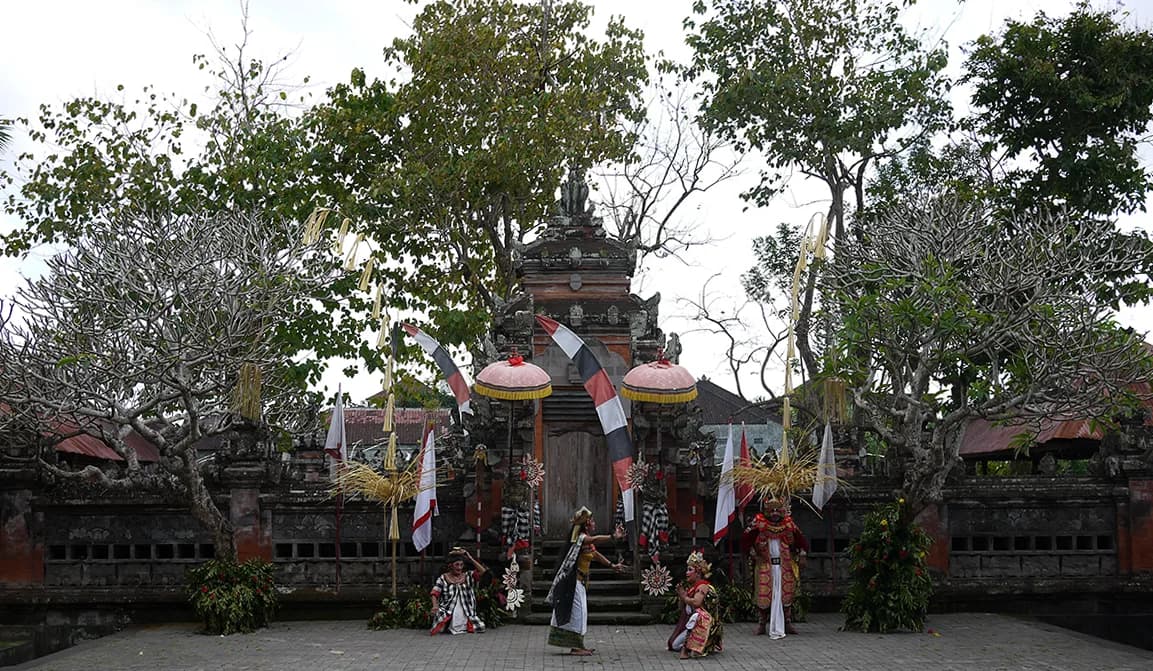
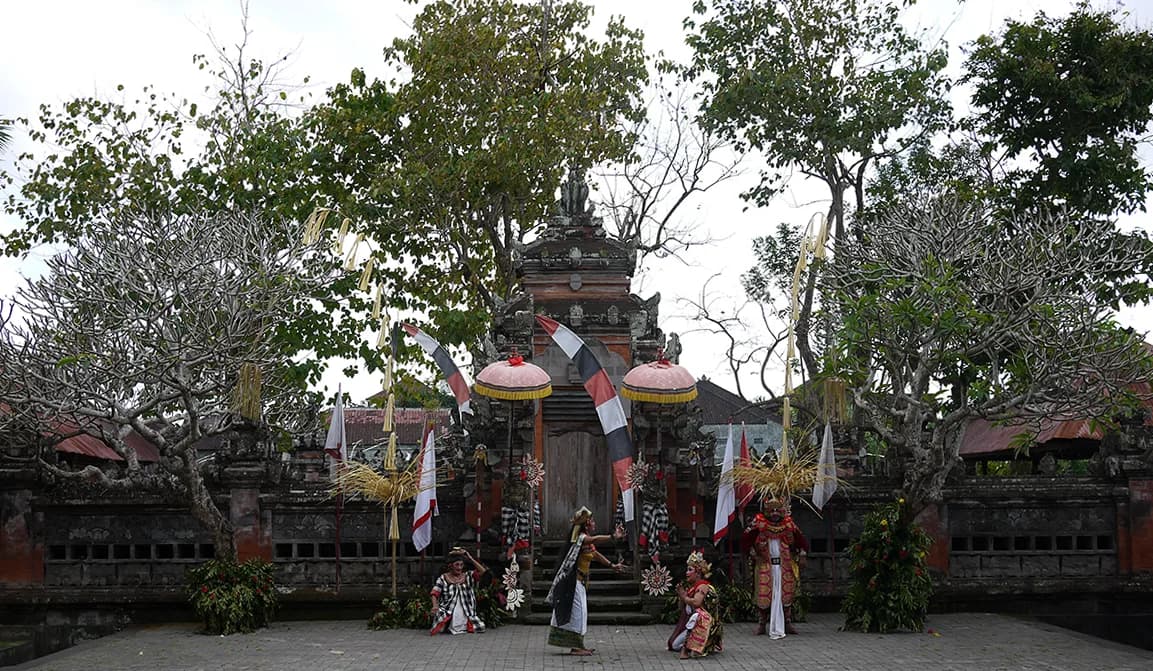
What to Wear in Ubud in November: Rain-Ready Packing Guide
Pack quick-dry layers and compact rain gear for Ubud in November, plus grippy shoes for wet paths and easy temple cover-ups for humid, showery days.
On this page
Ubud in November: the weather in numbers
Typical November conditions from 30 years of daily weather data, split into early, mid and late month so you can match them to your travel dates.
| Dates | Early Nov (1–10) | Mid Nov (11–20) | Late Nov (21–30) |
|---|---|---|---|
| Afternoon high | 29°C (84°F) | 29°C (83°F) | 28°C (83°F) |
| Night-time low | 23°C (73°F) | 23°C (74°F) | 23°C (74°F) |
| Feels like (afternoon) | 33°C (91°F) | 33°C (91°F) | 33°C (91°F) |
| Range of afternoon highs | 27–30°C | 27–30°C | 27–30°C |
| Days with rain | 7 in 10 days | 8 in 10 days | 9 in 10 days |
| Afternoon humidity | 72% | 74% | 76% |
| Average wind | 7 km/h | 6 km/h | 6 km/h |
| Daylight | 12.3 h | 12.4 h | 12.4 h |
What this means for your suitcase
- Hot afternoons: loose, breathable fabrics like linen or cotton, short sleeves and a sun hat.
- Heavy downpours are common — quick-dry clothes and shoes or sandals that cope with puddles.
- Muggy air — moisture-wicking fabrics beat denim and heavy cotton.
Travelling on specific dates? Use our What to Wear Planner for the weather, outfits and a packing list for your exact days in Ubud.
Averages for 1991-2020, modelled from Copernicus ERA5-Land and ERA5 reanalysis via Open-Meteo open data (CC BY 4.0), adjusted to Ubud's elevation. Modelled afternoon highs can read 1–2°C below airport weather-station records.
November falls at the start of Bali's wet season, and Ubud often experiences it as warm, humid days broken up by short, heavy showers rather than constant rain. That mixed pattern is why a full wet-season wardrobe is overkill while pure dry-season packing leaves you exposed to an afternoon downpour. The goal is a small set of layers that handles sun, drizzle and sticky heat without a mid-week laundry crisis.
Because conditions can swing between bright and wet within an hour, every item should work in both. Breathable quick-dry fabrics, a packable rain layer and shoes with real grip do more for a November trip than extra outfits. Treat the suggestions below as editorial starting points, and apply the practical test: will this piece dry overnight in a humid room?
How Ubud's Higher Elevation Changes What You Pack
Ubud sits in Bali's central highlands at roughly 600 to 1,000 metres above sea level, and the Bali.com weather guide notes that this hill zone is cooler and receives more rain than the coastal resorts, with milder temperatures than the coast. That matters for packing because a wardrobe built only for beach heat can leave you chilly on a night-time scooter ride or after a soaking shower.
In practice, add one thin long-sleeve layer or a light merino top for warmth without bulk, alongside hot-weather clothes. If your trip also includes the coast, treat Ubud as the cooler, damper stop and the beach as the hotter, drier one. One mid-layer is usually enough to bridge the difference.
Fabric Choices That Work in Humid Heat
Humidity is the enemy of cotton and heavy denim in Ubud, because damp fabric clings, chafes and takes hours to dry in a room without strong sun. Prioritise lightweight synthetics, merino blends and technical travel fabrics that wick moisture and dry overnight. Linen feels comfortable in the heat but wrinkles badly and dries more slowly than synthetics when soaked.
For tops, choose loose short-sleeve or sleeveless styles in quick-dry blends, plus one collared shirt that looks tidy enough for dinner. For bottoms, quick-dry trousers or a hiking skirt beat jeans, and lightweight shorts cover the hottest afternoons. For materials covered in more depth, the
Two technical points are worth remembering: dark colours hide rain splashes and road spray, while light colours feel cooler in direct sun. Whichever you choose, avoid anything that needs ironing, because humidity plus a travel iron is a losing combination. A single wrinkle-resistant button-down can cover both temple visits and dinners.
The Day-to-Evening Outfit Formula
A reliable November formula is a light quick-dry top, quick-dry bottoms, a packable rain layer and a versatile cover-up that doubles as a shoulder wrap. That combination handles a sunny rice-terrace walk, a sudden shower and an air-conditioned cafe or restaurant in the same afternoon. The cover-up also helps with temple etiquette.
In the evening, swap the hiking bottoms for lighter trousers or a skirt and keep the same top and cover-up. This two-piece swap keeps your bag small while giving you a cleaner look for dinner in town. If your trip includes yoga or wellness, the Ubud yoga retreat packing list is a useful companion for studio-friendly layers.
Carry the rain layer in your day bag rather than wearing it, so you add it only when the sky turns. Foldable fabric means the whole formula packs into a small cube. For a full item-by-item version of this formula, see the Ubud packing list.
Rain Protection: Compact Shell vs Umbrella vs Both
November rain in Ubud tends to arrive as short, heavy bursts rather than all-day drizzle, so you do not need expedition-grade waterproofing. A lightweight packable shell protects you on a scooter and keeps your day bag dry, while an umbrella is easier to deploy for a sudden downpour on a walk through town. Many travellers carry both because each covers a different situation.
The trade-off is weight and packing space: a shell is bulkier but hands-free, an umbrella is smaller but awkward on a motorbike and useless in strong wind. If you take only one, choose the shell for a trip that includes rice-terrace or jungle walks and the umbrella for a town-based stay. Whichever you pick, check it is genuinely packable rather than merely waterproof.
A dry bag or a simple waterproof stuff sack for electronics is cheap insurance in this kind of weather. Keep your phone and passport in a zipped liner rather than an outside pocket. That single habit prevents most rain-related travel problems, and it means a drenched walk does not turn into a costly one.
Footwear for Slick Rice-Terrace and Jungle Paths
Wet clay, mud and stone steps around Ubud's rice terraces and jungle trails get genuinely slippery, so grip is the single most important footwear quality. Trail runners or light hiking shoes with deep lugs outperform smooth-soled sneakers and sandals on those surfaces. If you prefer sandals, choose a closed-toe or well-secured pair with a grippy outsole rather than flip-flops.
Drainage matters as much as grip: shoes that hold water become heavy and can cause blisters over a long day. Quick-drying mesh uppers and a spare pair of socks solve most of this. Bring one comfortable pair for town and one for trails rather than three pairs you will never wear.
Plan a dry-spare strategy before you leave: if your trail shoes get soaked, a second lighter pair for dinner means you are not stuck in damp footwear. Pack socks in quick-dry material and bring more than you think you need for a wet week. Leave heavy leather boots at home, because they dry slowly in humid conditions.
Temple Cover-Ups for Humid, Occasionally Wet Days
Many Balinese temples expect visitors to cover shoulders and knees, and a sarong with a sash is the traditional way to do that, but entry requirements vary by site and can change. Check the specific temple's official guidance before you go rather than relying on general advice. Treat the following as comfortable cover-up suggestions rather than a verified dress code.
For humid November days, a lightweight sarong and a thin shoulder-covering top are far more comfortable than a heavy wrap, and they dry quickly if caught in a shower. Choose fabrics that pack flat and do not crease badly, since you may carry them all day. A light scarf can double as shoulder coverage in a pinch.
Keep the cover-up in your day bag rather than at the hotel, because temple visits often happen between other stops. A small stuff sack keeps it clean and separate from wet rain gear. For a detailed approach to temple days, see the Ubud temple dress code packing guide.
A Compact Five-Day Packing Example
For a five-day November trip to Ubud, a workable capsule is three quick-dry tops, one collared shirt, two pairs of quick-dry bottoms, one pair of shorts, one light long-sleeve layer, a packable rain shell, an umbrella, a sarong, one pair of trail shoes and one pair of casual shoes. Add five to six pairs of quick-dry socks and the same in underwear, plus a swimsuit if your accommodation has a pool.
That kit fits in a carry-on if you choose fabrics that compress and plan to rinse a couple of items mid-trip. Laundry in Ubud is generally cheap and quick, so you can pack lighter than you would for a cooler destination. The main risk is overpacking for sunshine you may not get, so leave a little empty space.
To compare this capsule with the drier months, see the what to wear Ubud dry season guide. November sits closer to that list than to a full wet-season load. The main difference is the rain layer and one extra pair of socks.
What to Leave Behind
Heavy denim, leather jackets and thick cotton hoodies are classic mistakes for Ubud in November: bulky, slow to dry and rarely needed. Leave behind more than two pairs of shoes, formal outfits and anything that requires dry cleaning. If you are unsure about an item, ask whether it dries overnight in a humid bathroom.
Skip full rain suits and heavy waterproof trousers unless you have a specific trek planned, because November rain is usually short-lived. A compact shell and umbrella cover the realistic scenarios. Extra toiletries and towels are easy to buy locally, so they are not worth the luggage weight.
If your trip includes dedicated hiking, one technical item may earn its space, but for most Ubud itineraries the lighter kit wins. Think in layers you can add and remove rather than single-purpose gear. That approach also makes the bag easier to repack on wet mornings.
How November Differs From the Dry-Season Wardrobe
Dry-season packing for Ubud leans towards sun protection and lighter clothing, with less concern about rain. November keeps the warm-weather base but adds rain readiness: a packable shell or umbrella, grippier footwear and one more dry-spare item. You are not switching to a full wet-season wardrobe, because the weather remains mixed with sunny spells between showers.
The practical difference is how much rain protection you carry and how carefully you choose quick-dry fabrics. In the dry season you might risk a single light layer; in November you keep the rain layer in your bag as a matter of habit. That small shift covers most of what changes between the two seasons.
If your dates stretch into the wetter months, the what to wear Ubud wet season guide explains where the packing list grows. For November itself, the middle path is correct. Pack for adaptability rather than for the worst case.
Before-Departure Weather Check and a Flexible Routine
Historical seasonal patterns are a planning tool, not a forecast, so check a reliable short-range forecast for Ubud before you fly and again on arrival. The Weather & Climate Ubud monthly page summarises long-term averages, including that November falls in the rainy season, which helps you judge how much rain gear to pack. Treat those averages as tendencies rather than predictions for your specific dates.
Once in Ubud, a flexible daily routine helps more than any single item: plan outdoor activities such as rice-terrace walks for the morning, keep afternoons free for indoor stops and carry your rain layer whenever you leave. Showers often pass quickly, so a wet half-hour rarely ruins a day. A dry spare back at the hotel makes the whole system more comfortable.
The Bali.com seasonal overview describes November as a mixed, unpredictable month rather than a steady washout, which supports this approach. Build your days around what the sky is doing rather than a fixed schedule. That mindset is the real November packing skill.
Pack for Mixed Sun and Showers
November in Ubud rewards a light, adaptable bag: quick-dry layers, one packable rain option, grippy footwear and a versatile temple cover-up. You are packing for a mixed month rather than a monsoon, so the emphasis stays on flexibility instead of volume. Build the capsule around a simple day-to-evening formula and you can travel with far less than you might expect.
Check the forecast before departure, keep the rain layer in your day bag and adjust once you feel how the humidity and showers actually behave. A small amount of spare dry clothing does more good than extra outfits. The Ubud packing list is a useful final cross-check before you zip the bag.
Related packing guides
- Ubud Packing List: What to Wear in a Humid Hill Town
- What to Wear in Ubud in the Wet Season: Packing Guide
- What to Wear in Ubud in the Dry Season: A Packing Guide
- What to Wear in Hanoi in November: Layering Guide
- What to Wear in Kuala Lumpur in November: Packing Guide
- What to Wear in Jakarta in November: Wet-Season Packing Guide
- What to Pack for Phuket in November: Beach Packing Guide
- What to Wear in Bangkok in November: Cool Season Packing Tips
Frequently Asked Questions
What should I wear in Ubud in November?
Light, quick-dry tops and bottoms, a packable rain layer and shoes with real grip are the core of a November wardrobe for Ubud. Add a light long-sleeve layer for cooler evenings and a sarong or shoulder cover-up for temple visits. The aim is clothing that handles humid heat and brief heavy showers without constant laundry.
Is November a rainy month in Ubud?
November falls at the start of Bali's wet season, and long-term climate data show it as one of the wetter months of the year for the island. Ubud, at higher elevation, tends to be a little cooler and wetter than the coast. Showers are often short and heavy rather than continuous, so sunny spells in between are common.
Do I need a rain jacket or an umbrella in Ubud in November?
Either can work, and many travellers carry both for different situations. A compact shell keeps you dry on a scooter and leaves your hands free, while an umbrella is quicker for walking around town. Choose based on whether your plans are mostly outdoors or town-based.
What shoes are best for Ubud rice terraces and jungle walks in wet conditions?
Trail runners or light hiking shoes with deep tread give the best grip on wet clay, mud and stone steps. Quick-drying mesh uppers and fast-dry socks reduce the misery of soaked feet. Bring a second lighter pair for evenings so you are not stuck in damp shoes.
What should I wear to Balinese temples in Ubud?
A lightweight sarong with a sash and a top that covers your shoulders is the usual approach, but requirements can vary between temples and may change. Check the specific temple's official guidance before visiting rather than relying on general advice. Keep your cover-up in your day bag so you are ready for stops between other plans.
How is November packing different from the dry season in Ubud?
The warm-weather base stays the same, but November adds rain readiness: a packable shell or umbrella, grippier footwear and one extra dry-spare item. You do not need a full wet-season wardrobe, because November weather remains mixed. The shift is about adaptability rather than bulk.
How many outfits do I need for a week in Ubud in November?
A capsule of three quick-dry tops, one collared shirt, two pairs of quick-dry bottoms, one pair of shorts and one light long-sleeve layer covers most week-long trips. Rinse items as you go, since laundry is easy to arrange in Ubud. Two pairs of shoes, one for trails and one for town, is usually enough.
Sources
Free: The Ultimate Packing Cheat Sheet
A carry-on capsule wardrobe, the complete packing checklist, layering made simple, and what to wear by season — one printable page you'll use on every trip.
You might also like

Continue reading
More guides you'll find useful