What to Wear in Whistler in March: Snow, Slush, and Smart Layers
Pack for Whistler in March with lighter midlayers, a waterproof shell, and grippy boots for alpine snow and wet, slushy village afternoons.
On this page
Whistler in March: the weather in numbers
Typical March conditions from 30 years of daily weather data, split into early, mid and late month so you can match them to your travel dates.
| Dates | Early Mar (1–10) | Mid Mar (11–20) | Late Mar (21–31) |
|---|---|---|---|
| Afternoon high | 4°C (38°F) | 5°C (41°F) | 6°C (43°F) |
| Night-time low | -2°C (28°F) | -1°C (31°F) | 0°C (32°F) |
| Feels like (afternoon) | 0°C (32°F) | 2°C (35°F) | 3°C (37°F) |
| Range of afternoon highs | -1–8°C | 2–10°C | 3–11°C |
| Days with rain | 6 in 10 days | 7 in 10 days | 6 in 10 days |
| Days with snow | 6 in 10 days | 7 in 10 days | 6 in 10 days |
| Afternoon humidity | 51% | 52% | 49% |
| Average wind | 4 km/h | 5 km/h | 5 km/h |
| Daylight | 10.9 h | 11.5 h | 12.2 h |
What this means for your suitcase
- Cold days: a winter coat, hat, gloves and a thermal base layer.
- Snow falls on about 6 in 10 days — waterproof boots with good grip.
- Heavy downpours are common — quick-dry clothes and shoes or sandals that cope with puddles.
- Day-to-day swings: afternoon highs range from about 1°C to 10°C, so pack for both.
Travelling on specific dates? Use our What to Wear Planner for the weather, outfits and a packing list for your exact days in Whistler.
Averages for 1991-2020, modelled from Copernicus ERA5-Land and ERA5 reanalysis via Open-Meteo open data (CC BY 4.0), adjusted to Whistler's elevation. Modelled afternoon highs can read 1–2°C below airport weather-station records.
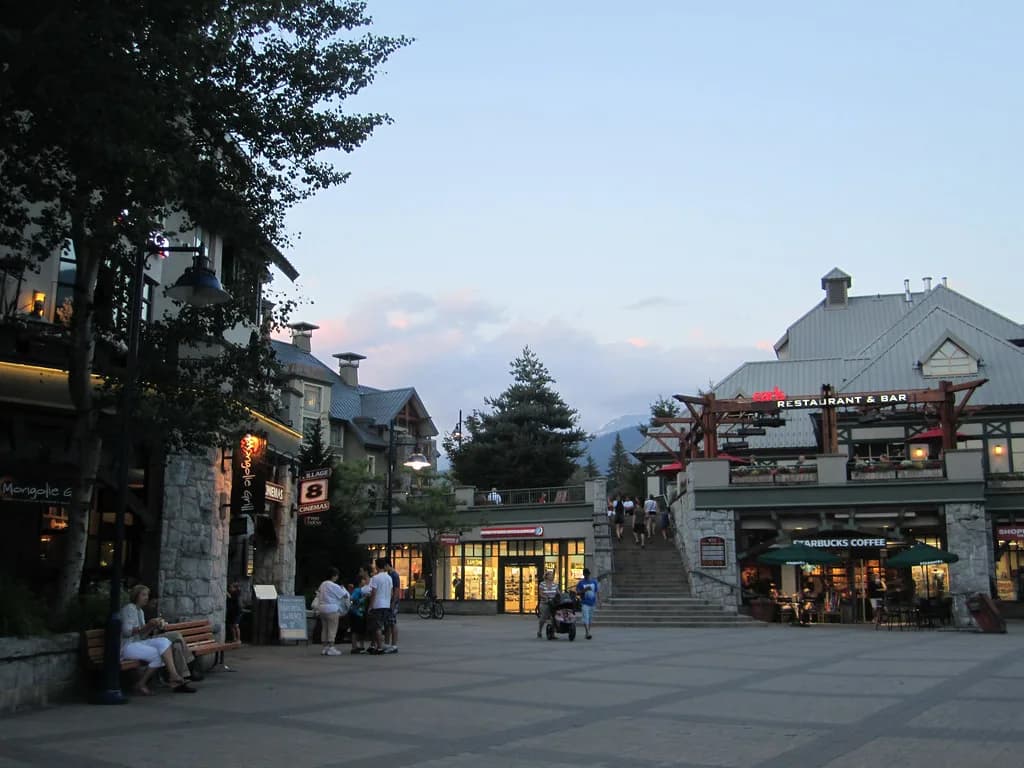
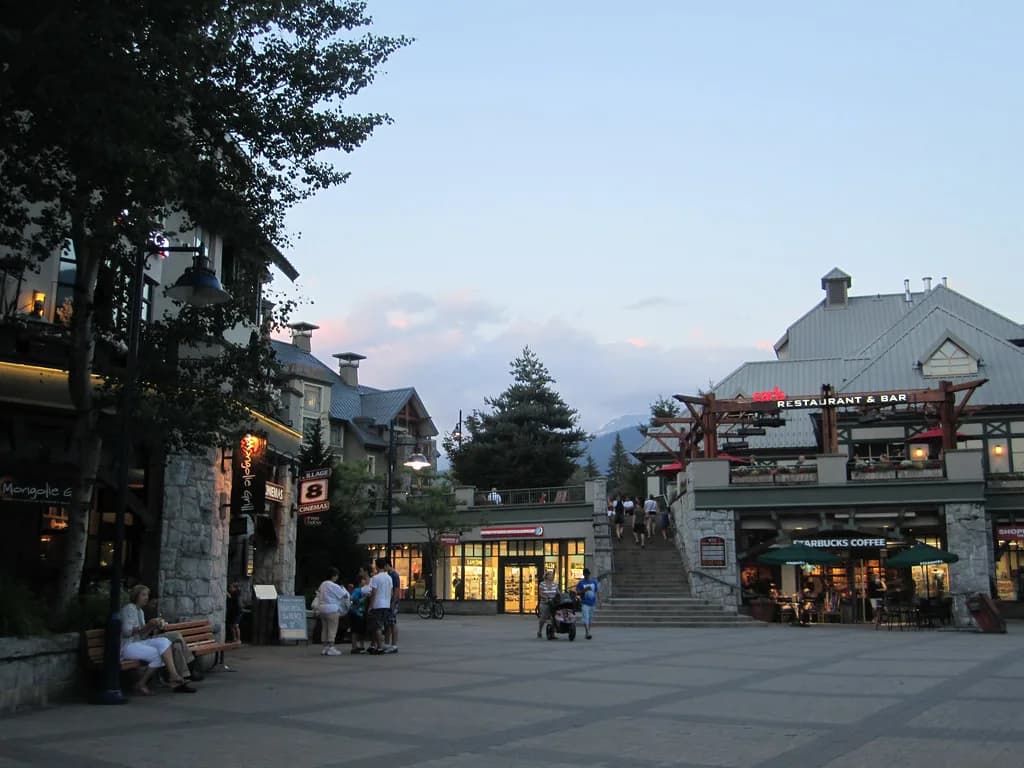
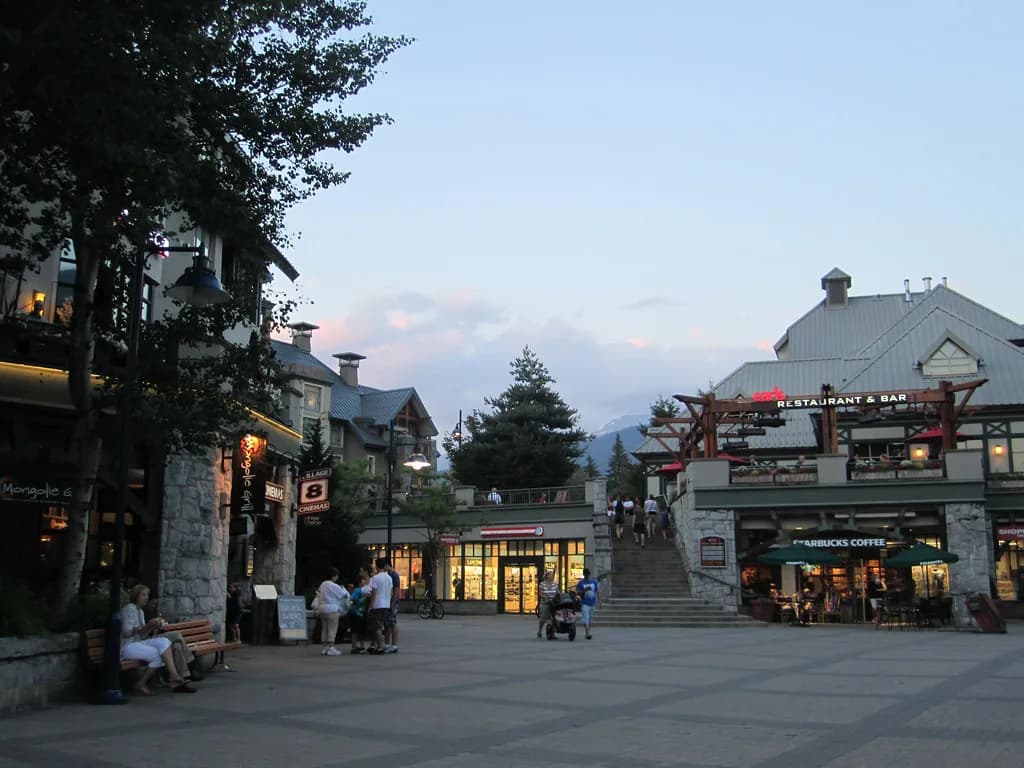
March is the seam between winter and spring in Whistler, and your suitcase has to cover both sides of it. Snow tends to remain deep in the alpine while the village can feel warmer and wetter, with slush pooling on the stroll and drips coming off roofs. Packing for midwinter often means overheating; packing for spring alone leaves you cold on the lift.
The answer is a modular system rather than one heavy outfit: lighter midlayers than January, a waterproof shell you can vent or close, and footwear with real tread for packed snow on the way to the gondola and slush on the way back. If you are building from scratch, start with the broader Whistler packing list and adapt it for March's warmer, wetter afternoons.
How to Read March Conditions: Alpine Snow, Valley Slush, and Spring-Skiing Afternoons
Whistler sits in the Coast Mountains of British Columbia within a temperate rainforest environment, and the Sundial Hotel's seasonal packing guide notes that this combination of altitude and moisture produces rapid shifts in conditions. Winter temperatures are generally warmer in the village than on the ski hill, so expect slush and possible rain at the base even when snow is falling higher up. Treat any single forecast as a snapshot and pack clothing that tolerates change.
Those patterns describe historical seasonal tendencies rather than a guarantee for your dates, so check the actual forecast in the days before you fly. The key packing decision is to bring layers you can remove, not a single do-everything coat.
The valley side of March is what catches people out. Melting snow leaves wet, gritty sidewalks and puddles around the village, so hems and footwear get tested on every stroll. If you want to calibrate how much colder an earlier winter visit feels, the November packing guide is a useful contrast, but note that March's village conditions are typically wetter and milder than deep winter.
Base Layers and Midlayers: Lighter Than January, Still Warm Enough for Lift Rides
Start with a moisture-wicking base layer in merino wool or a synthetic blend, then add a midlayer that is easy to shed. A light fleece or a packable puffer is usually the sweet spot for March, because it works under a shell on a cold morning and stands alone on a mild village afternoon. The Sundial guide's principle is to layer smart rather than heavy, since bulk is hard to manage when temperatures swing.
Cotton is a comfort trade-off rather than a safety rule: it holds moisture when it gets wet, so a damp cotton tee under a shell can leave you clammy on the chairlift. Choose quick-drying fabrics for anything against your skin, and save the cotton T-shirt for the flight home. If you prefer natural fibres, a lightweight merino blend gives warmth without the soggy-cotton problem.
Two midlayers beat one thick sweater. A thin fleece plus a lightweight puffer lets you mix and match: both on for a stormy alpine morning, one for a sunny spring-skiing afternoon, and the puffer alone with jeans for the village. The Blonde Abroad's Whistler packing notes make the same case for layering long-sleeve tops and cardigans that move between day and evening.
Shell and Outerwear: Waterproof Protection for Wet Snow
Whistler's coastal moisture means a waterproof shell earns its place in the bag in a way it might not in a drier mountain town. The Gibbons Whistler guide on winter fashion notes that higher moisture levels create plenty of scenarios where you are likely to get wet, and recommends bringing a waterproof jacket. Look for taped seams and a hood that fits over a helmet if you plan to ski.
You do not need a specific membrane or brand to stay dry; a well-maintained waterproof shell with pit zips works fine. Pit zips matter more in March than in midwinter because spring-skiing afternoons can be warm enough to make you sweat on the skin track or under the lift. As an editorial suggestion, a lightly insulated shell can replace both a hard shell and a puffer on milder days, saving pack space.
If your trip combines city time with the mountains, the Vancouver leg will be wetter and milder than the alpine, so pack a shell that works for both. A compact umbrella is more useful in Vancouver than in the village, where you will mostly be walking in snow or slush. Keep the shell accessible at the top of your bag for the flight, since rain on arrival is common.
Hands, Head, and Eyes: Gloves, Liners, Toque, and Sunglasses
Your hands take the brunt of March's mixed conditions. A waterproof insulated glove handles wet snow on the mountain, while a lighter liner glove is enough for walking around the village and much easier to use when you handle a phone or a lift ticket. Packing a liner inside a shell glove gives you an extra layer on cold mornings and a standalone option later in the day.
The toque is the classic Whistler move for good reason: it keeps your ears warm and covers helmet hair, and the Gibbons guide points out that it doubles as après-ski style. Bring one that covers the ears rather than perching on top. A buff or neck gaiter adds another adjustable layer for wind on the lift and can be pulled up over your chin on a cold descent.
March sun is brighter and higher than midwinter, and reflection off snow amplifies glare on the mountain. Bring sunglasses with UV protection for village days and spring-skiing afternoons, and ski goggles for storm days or falling snow. As an editorial suggestion, a small tube of sunscreen is worth slipping into your jacket pocket for extended time above the tree line, but it is a comfort choice rather than a requirement.
Footwear: Waterproof Boots with Tread for Village Slush and Packed Snow
Footwear is where March packing goes wrong most often. Insulated winter boots can be too warm for slushy village strolls, while city sneakers soak through in minutes and offer little grip on packed snow. The Goldilocks option is a waterproof boot with a lugged sole and moderate insulation, roomy enough for a wool sock without squeezing your toes.
The Gibbons guide notes that rubber rain boots conduct cold and leave you with chilly feet, so they are a poor substitute for insulated winter boots in the village. A leather or synthetic waterproof boot with thick tread handles both worlds, though you should check the sole pattern rather than trust the label. Avoid high heels for the village, since icy patches and slush are hard on ankles.
Bring wool or synthetic socks rather than cotton, and pack one extra pair for each ski day so you can change at lunch if your feet get damp. If you have room, a second, lighter pair of shoes for the hotel or a spa visit is worth it. Slip-on shoes are handy for airport security and quick trips to the hot tub, but they are not a substitute for boots outdoors.
Village and Evening Outfits: Practical Mountain-Casual Combinations
Whistler's dress code is casual and practical, which makes packing easier than it looks. The Gibbons guide describes the town's style as laid-back and practical, and warns that a tie or stilettos will look out of place. Your daytime ski layers can often carry into an early dinner if you swap wet gloves for a dry midlayer and change your socks.
For evenings, dark jeans or fleece-lined leggings, a sweater or cardigan, and a waterproof jacket that covers your hips will handle most restaurants and bars. The Blonde Abroad's packing list suggests a sweater dress and casual pieces for nights out, with the reminder that Whistler style stays relaxed. Add a scarf for strolling between venues, but keep it off the chairlift where it can tangle.
If you want one outfit that works for both a village dinner and a cool patio drink, aim for a warm midlayer under a water-resistant jacket with jeans and boots. Leave the leather jacket at home: it is heavy, not waterproof, and Whistler's wet evenings will not be kind to it. This is editorial advice rather than a rule, but it reflects how most visitors end up dressing.
On-Mountain Setup: Spring-Skiing Days Versus Storm Days
Spring-skiing days in March can be warm and sunny, which means you may shed layers at lunch and want lighter gloves. Start with a base layer, a light midlayer, and a shell you can open or remove, and carry a small backpack or use lockers for the midlayer you peel off. Sunglasses and sunscreen become more relevant than on a storm day, though they remain comfort choices rather than requirements.
Storm days flip the equation: you want the full waterproof shell, insulated gloves, goggles, and a warm midlayer that stays on. A neck gaiter or buff helps seal the gap between jacket and helmet. Waterproof ski or snowboard pants belong in the kit either way, since wet snow and a cold chairlift seat will find any gap.
One piece that earns its space in March is a lightweight, packable insulator that stuffs into its own pocket. That way you can carry it in a small pack on a warm afternoon and pull it out when the sun drops behind the ridge. Avoid bulky cotton hoodies on the mountain, since they are heavy and slow to dry if they get wet.
A Compact Four-Day Packing Example
For a four-day trip, aim for two base layers, two midlayers, one waterproof shell, and one pair of insulated waterproof pants or snow pants. Add two pairs of everyday pants such as dark jeans or fleece-lined leggings, plus one casual outfit for the village. This covers skiing, strolling, and dining without checking a second bag.
Footwear for four days: one pair of waterproof boots with good tread for the village and travel days, and one pair of ski or snowboard boots if you are riding. If you are renting equipment, leave the ski boots at home and save significant space. Bring two or three pairs of wool socks, one warm hat, one pair of waterproof gloves, one pair of liners, and sunglasses or goggles.
Accessories are where you can trim: one scarf or buff, one swimsuit if you plan a spa visit, and a small daypack for layers and water. The Blonde Abroad's Whistler packing post is a useful cross-check for a week-long trip, though you can halve most of the quantities for four days. If your trip extends to Vancouver afterward, a lighter jacket and an umbrella will serve you better there than a heavy ski coat.
What to Leave Behind
Leave the heavy city coat at home: it is bulky, rarely waterproof, and too warm for most March days in the village. The same goes for stiletto heels, which the Gibbons guide warns are impractical on icy sidewalks and can lead to sprained ankles. If you are unsure about an item, ask whether it works when wet; if not, it probably stays behind.
Skip the rubber rain boots for a ski trip, since the Gibbons guide notes that rubber conducts cold and leaves feet chilly, and pack insulated waterproof boots instead. Cotton jeans can work for the village but are a poor choice for ski days, so keep them separate from your riding kit. Also leave behind multiple pairs of shoes: two functional pairs plus something for the hotel is plenty for most trips.
One item worth reconsidering is the extra-large puffer. It takes up half a suitcase and is overkill on mild afternoons. A packable down or synthetic jacket gives you most of the warmth in a fraction of the space, and it layers under a shell when the weather turns. If you already own a bulky coat and love it, wear it on the plane rather than packing it.
Before You Go: Checking the Forecast and Adjusting Your Packing
Check the mountain forecast in the final week before departure and again the day before you fly. If the trend is warm and wet, swap your heaviest midlayer for a lighter one and make sure your shell is truly waterproof. If a cold snap or storm is coming, add an extra insulating layer and pack the warmer gloves rather than the liners alone.
Look at both valley and alpine forecasts, because they can differ enough to change what you wear on a given day. A warm village afternoon does not mean warm conditions at the top of the gondola, and a sunny base can sit under cloud higher up. The Sundial guide's advice to be flexible and check the forecast before you go is the most useful packing rule for March.
Once you land, ask at your hotel or a rental shop whether conditions have shifted, and adjust your daily layers accordingly. Most visitors find they wear roughly the same core kit every day and change only the midlayer and gloves. That is the sign of a well-packed bag: fewer items, more combinations.
Plan Your Visit
March in Whistler rewards a bag built around layers rather than a single heavy outfit. Pack lighter midlayers than you would for January, a waterproof shell that handles wet snow, and boots with real tread for slush and packed snow. Add gloves with liners, a toque, sunglasses for bright days, and one casual village outfit, and you can handle almost anything the transition month throws at you.
Check the forecast in the days before you leave and again on arrival, then adjust your midlayer and gloves rather than repacking your entire bag. Whistler's coastal mountain weather shifts quickly, and a small amount of flexibility goes a long way. For the broader gear list before you finalize, use the Whistler packing list as your master checklist.
More packing guides for Whistler
Frequently Asked Questions
What is the weather like in Whistler during March?
March is a transition month. Winter conditions tend to persist in the alpine while the village sees warmer, wetter afternoons and melting slush. Historical seasonal patterns suggest a mix of snow up high and rain or wet snow lower down, but no forecast should be treated as guaranteed. Check the mountain and valley forecasts before you pack.
Is Whistler still snowing in March?
It can be. March still brings snowfall to the alpine in many years, though the village may see rain or wet snow instead. Snow conditions vary from season to season, so look at the current snow report and forecast for your dates rather than assuming a fixed pattern.
What should I wear in Whistler in March?
Build around layers: a moisture-wicking base layer, a light fleece or puffer midlayer, and a waterproof shell. Add waterproof gloves with liners, a toque, sunglasses, and waterproof boots with good tread. For the village, casual jeans or fleece-lined leggings with a warm sweater work well for most evenings.
Do I need different clothes for the village and the mountain?
Mostly different footwear and outer layers. The village is warmer and wetter, so waterproof boots that handle slush matter more there. On the mountain you will want ski or snowboard pants, a shell that can handle wind and snow, and gloves designed for riding. Base layers and midlayers can often serve both.
What footwear is best for Whistler in March?
A waterproof boot with a lugged sole and moderate insulation handles both packed snow and melting slush. Avoid rubber rain boots, which conduct cold, and stiletto heels, which are unstable on icy sidewalks. Pack wool or synthetic socks and an extra pair so you can change if your feet get damp.
What can I leave behind when packing for Whistler in March?
Leave the heavy city coat, rubber rain boots, high heels, and multiple pairs of shoes at home. A bulky puffer is usually overkill for March afternoons, so a packable insulator saves space. Also skip cotton base layers for ski days, since they hold moisture and are slow to dry.
Sources
Free: The Ultimate Packing Cheat Sheet
A carry-on capsule wardrobe, the complete packing checklist, layering made simple, and what to wear by season — one printable page you'll use on every trip.
You might also like

Continue reading
More guides you'll find useful