What to Wear in Whistler in February: Packing Guide
Plan February packing for Whistler with breathable ski layers, insulated waterproof boots, and village-ready pieces for cold evenings after the sun drops.
On this page
Whistler in February: the weather in numbers
Typical February conditions from 30 years of daily weather data, split into early, mid and late month so you can match them to your travel dates.
| Dates | Early Feb (1–10) | Mid Feb (11–20) | Late Feb (21–28) |
|---|---|---|---|
| Afternoon high | 2°C (36°F) | 3°C (37°F) | 3°C (37°F) |
| Night-time low | -3°C (26°F) | -3°C (27°F) | -4°C (25°F) |
| Feels like (afternoon) | -1°C (30°F) | -1°C (31°F) | -1°C (30°F) |
| Range of afternoon highs | -3–7°C | -1–7°C | -2–8°C |
| Days with rain | 6 in 10 days | 6 in 10 days | 5 in 10 days |
| Days with snow | 6 in 10 days | 6 in 10 days | 5 in 10 days |
| Afternoon humidity | 54% | 53% | 48% |
| Average wind | 4 km/h | 4 km/h | 4 km/h |
| Daylight | 9.3 h | 9.8 h | 10.4 h |
What this means for your suitcase
- Cold days: a winter coat, hat, gloves and a thermal base layer.
- Snow falls on about 6 in 10 days — waterproof boots with good grip.
- Heavy downpours are common — quick-dry clothes and shoes or sandals that cope with puddles.
- Day-to-day swings: afternoon highs range from about -2°C to 7°C, so pack for both.
Travelling on specific dates? Use our What to Wear Planner for the weather, outfits and a packing list for your exact days in Whistler.
Averages for 1991-2020, modelled from Copernicus ERA5-Land and ERA5 reanalysis via Open-Meteo open data (CC BY 4.0), adjusted to Whistler's elevation. Modelled afternoon highs can read 1–2°C below airport weather-station records.
February sits in the middle of Whistler's winter season, when the snowpack is typically at its most reliable and daylight lasts noticeably longer than in January. That extra light changes how you plan outfits: more hours of active skiing, but the same sharp drop in temperature once the sun leaves the valley. Packing well here is less about owning the warmest single item and more about combining layers you can add and remove through the day.
This guide separates ski-day decisions from village-evening decisions so you can build one compact bag instead of two. Whistler's winter style is casual and practical, which makes layering easier to get right, but the mountain weather can shift quickly. The suggestions below are editorial, not mandatory rules or a description of what every local wears, so adjust them to your own cold tolerance and plans.
February Conditions and What They Mean for Packing
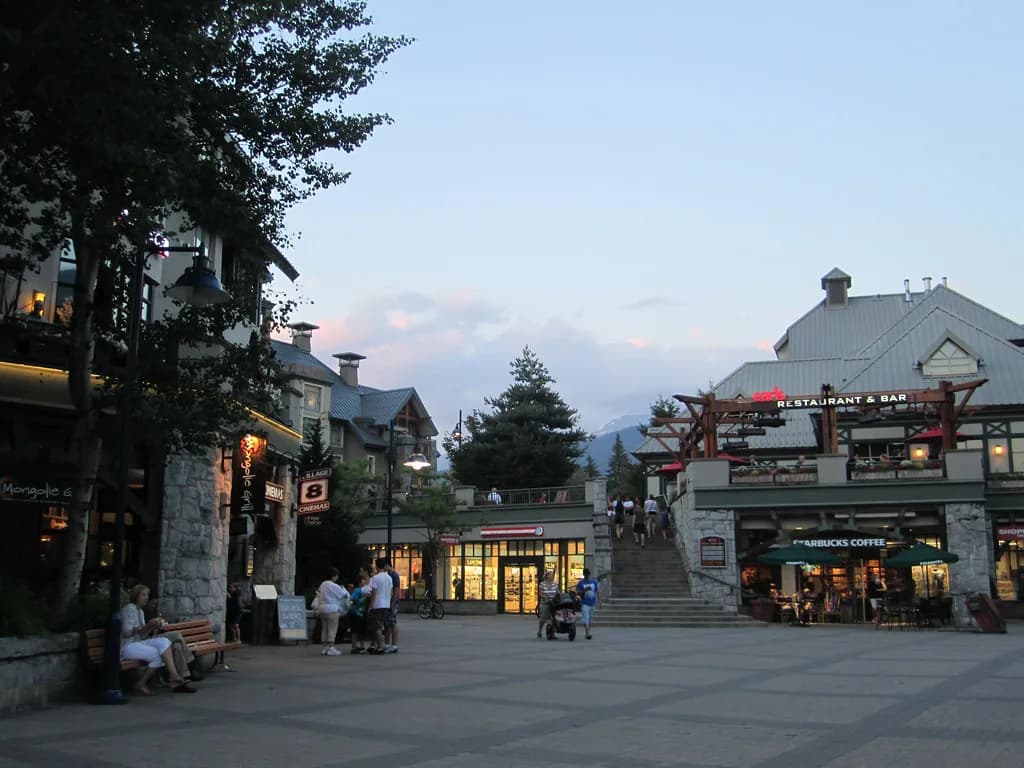
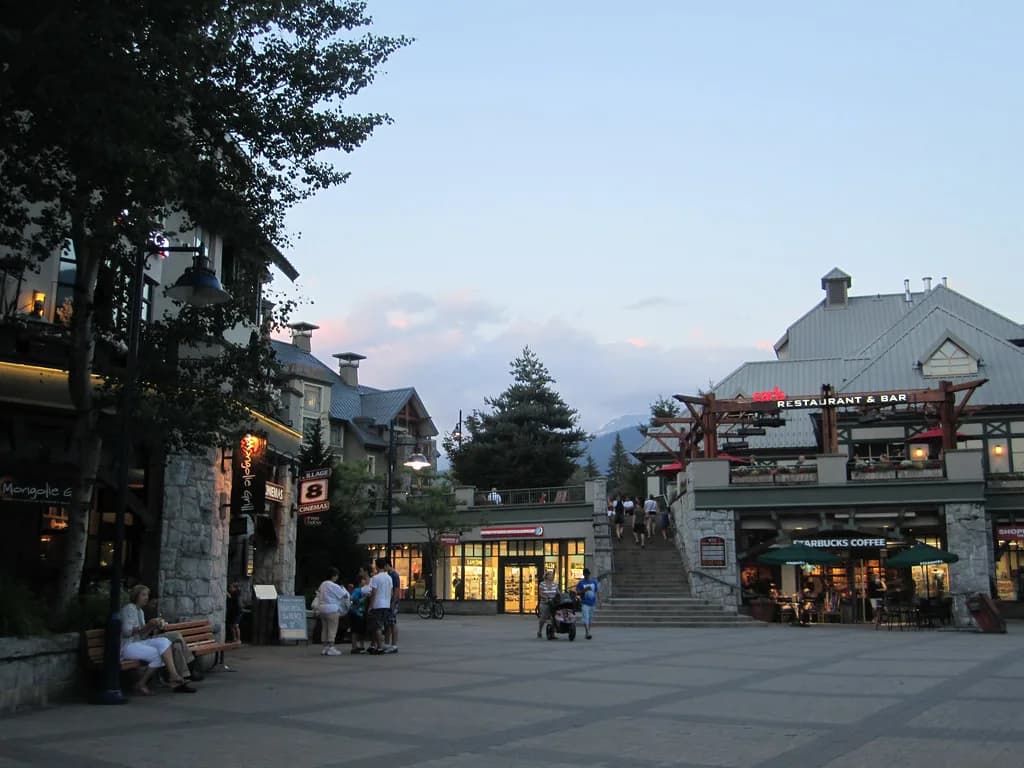
Whistler sits in the Coast Mountain Range within a temperate rainforest environment, where altitude and moisture combine to produce rapidly changing conditions. In winter, the village tends to be warmer and wetter than the upper mountain, so slush and rain at the base are possible even on days that deliver dry snow higher up. The Sundial Hotel's seasonal packing guide describes that variation and advises visitors to be ready for quick shifts rather than dressing for one forecast.
Treat February climate expectations as historical seasonal tendencies rather than a forecast for your specific dates. Pack a rain shell regardless of the season, because moisture is a constant in this coastal mountain setting. Check a current mountain forecast for the days you will actually be there, since conditions can vary between the valley and mid-mountain.
Longer February daylight means more hours outdoors, and more chances to overheat on the climb before you freeze on the lift. The practical fix is a layer you can vent or remove without stripping down to a base layer in front of everyone. Aim for three thin layers instead of one bulky jacket. This keeps your options open as the day warms and cools.
Ski and Ride Layering: Base, Mid, and Shell Trade-Offs
A moisture-wicking thermal base layer top and bottom is the foundation of an active ski day, because it moves sweat away from your skin rather than holding it. Cotton is the wrong choice for the mountain: it retains moisture and stays cold and damp against your body. Synthetics and merino wool are the usual picks for this layer, and two sets are enough for a typical trip with overnight drying. If you want a full inventory to compare against, the Whistler packing list covers the wider kit beyond clothing.
Your mid-layer does the temperature regulation. A fleece adds warmth with good breathability, while a packable down or synthetic puffy gives more warmth for its weight and works equally well on its own around the village in the evening. One fleece and one puffy is a sensible combination for February rather than several bulky sweaters. The puffy earns its place twice, which matters if you are packing carry-on only.
The outer shell needs to be both waterproof and windproof, because Whistler's moisture means you can get wet even when it is cold. Waterproof ski pants matter as much as the jacket, and insulated options are warmer while uninsulated shells let you control warmth with the layers underneath. Goggles or sunglasses protect your eyes on bright snow days. If you only bring one shell jacket, choose the one that fits over both your fleece and puffy.
Hands, Head, and Feet: Gloves, Liners, Toque, and Socks
Your hands and feet are where a February ski day goes wrong fastest. Pack waterproof ski gloves plus a spare pair, along with lighter glove liners for walking around the village and for fiddling with zippers and phones. A Whistler winter fashion guide frames gloves as a constant and suggests thin liners for town, which take up almost no space and rescue a day when your main gloves get soaked or you lose one on the lift.
A toque is standard mountain attire and covers the ears rather than sitting above them, which is the entire point of wearing one. Wool socks are the reliable choice for the ski hill. Pack one pair per ski day plus one spare, and keep socks reserved for skiing rather than doubling them up for village walks, where a warm sock inside a tight boot can bunch and cause blisters.
A buff or neck gaiter is more useful than a bulky scarf on the hill, since it seals the gap at your collar without loose ends. Keep it thin enough to wear under a helmet or hood without pressure points. This is also the simplest item to pull up or down as your temperature changes on the lift.
Village Walks and Evenings: Insulated Boots and Casual Layers
Once you leave the hill, the priorities flip from breathability to insulation and grip. Choose waterproof winter boots with good tread, because icy sidewalks and slush at the village base are common in February, and a boot that soaks through will chill your feet for the rest of the evening. Rubber rain boots are a frequent mistake here, since rubber conducts cold and leaves your feet feeling colder than a proper insulated boot would.
For evenings, bring pants rather than exposed legs and lightweight shoes, and choose layers that are easy to shed indoors where heating and crowding warm you up fast. A sweater over a long-sleeve top handles most village situations, and fleece-lined leggings worn under trousers add warmth on the coldest nights. The general style in Whistler is casual and practical, so there is no need to pack formal clothing you will not wear.
If you plan to split your trip between the coast and the mountains, layering choices get more complicated. The same waterproof shell works in both places, but the mid-layer weights differ. Consider what to pack for Whistler and Vancouver as a single wardrobe rather than two separate suitcases.
The Scarf Question: Strolling Versus Chairlifts
A chunky scarf is a good village accessory and a poor chairlift one, because loose ends can blow around and tangle with your own gear or a neighbour's poles. The practical rule is to keep the scarf for strolling and swap to a close-fitting neck gaiter for skiing days. Whistler's laid-back winter style makes the changeover invisible; nobody will notice the difference.
If you pack only one neck item, make it the gaiter, since it works under a jacket collar on the hill and looks ordinary in the village. A scarf is the better choice if your February plans lean toward walking and dining rather than riding. Decide based on how many days you will actually be on snow.
Outfit Combinations for a Ski Day Versus a Village Day
For a ski day: thermal base layer top and bottom, fleece or puffy mid-layer, waterproof and windproof shell with matching ski pants, waterproof gloves with a spare liner pair, wool socks, toque, goggles, and a neck gaiter. Add a thin extra layer in your pocket or pack so you can adapt if the afternoon clouds over. Everything here is intended to be removable in a warm lift line and re-wearable at the top.
For a village day: long-sleeve top, sweater, insulated waterproof boots, wool or warm socks, a puffy or heavy coat over the top, gloves or liners, toque, and a scarf for strolling. This outfit handles a sunny afternoon walk and the sharp chill after sunset without a full change of clothes. If you plan to eat out, the same combination works with a sweater dress or casual trousers instead of ski gear. Readers who want a similarly practical winter wardrobe for a milder, wetter city can borrow ideas from what to wear Barcelona in February, though the insulation weights are lighter than Whistler's.
The overlap between the two is deliberate: the puffy, gloves, toque, and boots carry across both setups, so your bag does not need duplicates. Ski pants and the shell stay on the hill. Base layers stay in the hotel once you are done for the day.
A Compact Packing Example for a Long Weekend
For a three- or four-day February trip with two ski days, a workable count is two thermal base layer sets, one fleece, one packable puffy, one shell jacket, one pair of ski pants, two pairs of gloves plus liners, three to four pairs of wool socks, one toque, one neck gaiter, one pair of insulated waterproof boots, two sweaters, two pairs of trousers, and one scarf. Add goggles and a swimsuit if your hotel or spa plans call for one. A winter packing roundup similarly advises two pairs of gloves for ski trips and fleece-lined leggings as an optional extra under ski pants.
This list assumes you will do laundry or air-dry base layers and socks overnight, which is realistic for synthetics and merino. If you prefer not to wash anything, add one base layer set and two pairs of socks. Use packing cubes or compression bags to keep wet gloves and damp socks away from dry clothing.
A wider packing list is worth checking before you finalize, especially if your trip combines skiing with other winter activities. Comparing options across the whole season helps you decide what is genuinely essential for February versus what belongs to a warmer or colder month.
What to Leave Behind
Leave formal clothing and dress shoes at home. Whistler's winter style is casual and practical, so the ski jacket that walks into a bar is normal rather than a faux pas. Heels are a genuine hazard on icy village sidewalks and add weight you will not recover. If your trip includes a special dinner, a sweater and clean trousers are enough.
Skip rubber rain boots for cold days and any cotton base layers, sweatshirts, or denim worn directly against the skin under ski gear. Cotton holds moisture and cools you down once you stop moving, which is exactly what you do not want between runs. Multiple bulky sweaters are also unnecessary once you have a fleece and a puffy that layer under your shell.
Do not overpack gloves and socks beyond two or three spares; damp gear dries overnight and hotels near the village are used to ski gear. If you are flying, confirm your airline's current baggage allowance directly rather than relying on a rule of thumb, since those limits vary by fare class and route.
Before-You-Go Weather Check
Check the mountain forecast in the days before you leave, and check it again on arrival, because February conditions in the Coast Mountains can swing between clear, cold, and snowy within a short window. Look at both the village and upper-mountain forecasts, since the two can differ substantially and affect whether you prioritize extra insulation or extra waterproofing.
Confirm lift operating status and any activity bookings directly with the operator, since weather can affect what runs and what programs are available on a given day. If your trip includes a spa visit or a specific activity, check that provider's current requirements for what to bring. Packing a swimsuit is a reasonable default for spa and hot tub plans, but the provider is the authority on what is required.
For a sense of how the season progresses and how your February list differs from earlier in the winter, it helps to compare months side by side. What to wear in Whistler in November shows how much the same layering system changes in a wetter, milder shoulder month, when waterproofing matters more than insulation depth.
Plan Your Visit
Build your February bag around three interchangeable layers, one waterproof shell, and footwear that stays warm and dry off the hill. Add spares for hands and feet, keep the scarf for strolling, and leave the formal pieces and cotton base layers at home. That combination covers a ski day and a village evening from the same suitcase.
Confirm the current forecast and any activity or spa requirements with the relevant operator before you travel, and treat everything here as a starting point to adjust for your own plans. If your trip extends to the coast or falls in a different month, the layer weights will change even though the core system stays the same.
More packing guides for Whistler
Frequently Asked Questions
How cold is Whistler in February?
February falls inside Whistler's winter season, which runs roughly December through March, when the village is generally warmer and wetter than the upper mountain. Rather than relying on an average, check the current mountain and valley forecasts for your specific dates, since conditions in the Coast Mountains shift quickly.
Can I wear jeans in Whistler in February?
Jeans work for the village, paired with insulated waterproof boots and a warm coat, but they are a poor base for skiing because denim holds moisture and stays cold when damp. For the hill, use a moisture-wicking thermal base layer under waterproof ski pants instead.
Do I need waterproof boots for Whistler Village in February?
Waterproof boots with good tread are the practical choice. Village sidewalks can be icy and slushy, and rubber rain boots conduct cold rather than insulating, so an insulated waterproof boot keeps your feet warmer through an evening of walking.
How many pairs of gloves should I pack for a ski trip?
Two pairs of waterproof gloves plus at least one set of lighter liners covers most trips. The spare pair and the liners handle a soaked glove or a lost one, and thin liners are useful for the village when full ski gloves are more warmth than you need.
Should I bring a scarf to Whistler in February?
Bring one for strolling and dining in the village, but leave it off on chairlift days. Loose ends can blow around and tangle with your gear or nearby poles, so a close-fitting neck gaiter is the safer choice on the mountain.
What should I leave behind when packing for Whistler in February?
Leave formal clothing, dress shoes, and high heels at home, since Whistler's winter style is casual and practical and icy sidewalks make heels risky. Skip cotton base layers and bulky duplicate sweaters too, because a fleece and a packable puffy under one shell cover both the hill and the village.
How far ahead should I check the weather before a February trip to Whistler?
Start watching the mountain and village forecasts several days before departure and recheck on arrival. Because the valley and upper mountain can differ substantially, use both forecasts to decide whether your bag needs more insulation or more waterproofing for the days you are there.
Sources
Free: The Ultimate Packing Cheat Sheet
A carry-on capsule wardrobe, the complete packing checklist, layering made simple, and what to wear by season — one printable page you'll use on every trip.
You might also like

Continue reading
More guides you'll find useful