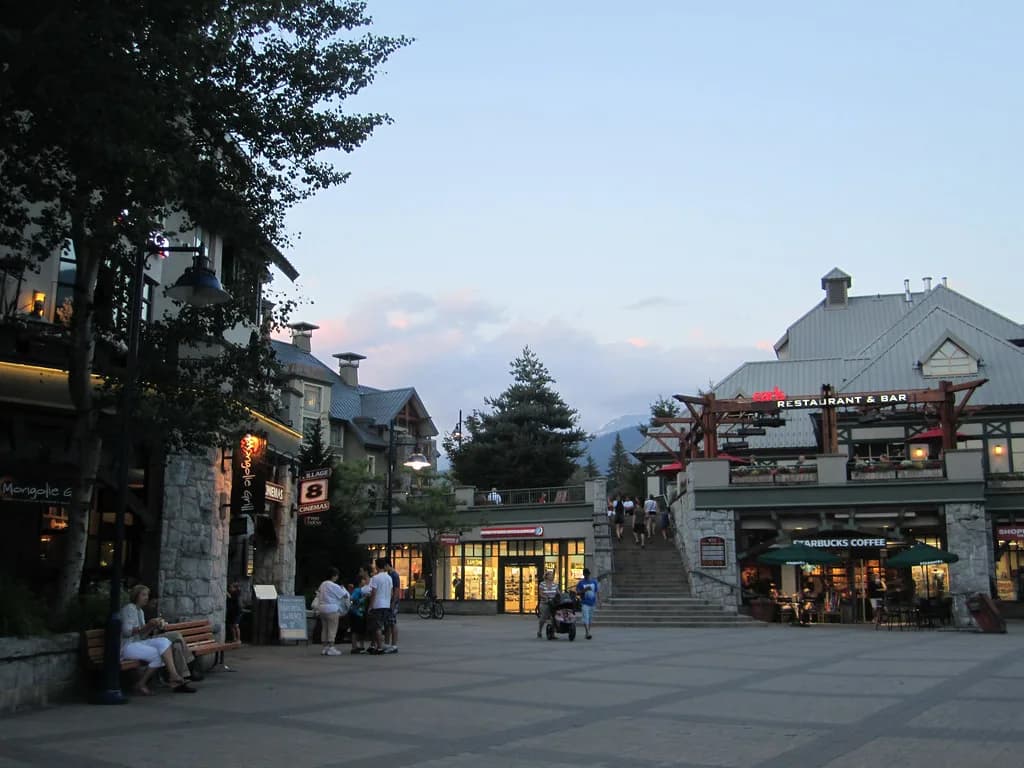
What to Wear in Whistler in September: Layering & Packing Guide
September in Whistler brings mild valley afternoons and cold alpine starts. Pack a warm midlayer, a rain shell, and waterproof shoes for damp trails.
On this page
Whistler in September: the weather in numbers
Typical September conditions from 30 years of daily weather data, split into early, mid and late month so you can match them to your travel dates.
| Dates | Early Sep (1–10) | Mid Sep (11–20) | Late Sep (21–30) |
|---|---|---|---|
| Afternoon high | 20°C (67°F) | 18°C (65°F) | 17°C (62°F) |
| Night-time low | 10°C (51°F) | 9°C (49°F) | 8°C (46°F) |
| Feels like (afternoon) | 18°C (65°F) | 17°C (62°F) | 15°C (59°F) |
| Range of afternoon highs | 13–27°C | 12–25°C | 10–24°C |
| Days with rain | 4 in 10 days | 4 in 10 days | 4 in 10 days |
| Days with snow | Rare | 1 in 10 days | 1 in 10 days |
| Afternoon humidity | 46% | 48% | 48% |
| Average wind | 4 km/h | 4 km/h | 4 km/h |
| Daylight | 13 h | 12.4 h | 11.7 h |
What this means for your suitcase
- Mild days: long sleeves with a light sweater or jacket you can take off at midday.
- Showers on roughly 4 in 10 days — a packable rain jacket or compact umbrella.
- Day-to-day swings: afternoon highs range from about 12°C to 25°C, so pack for both.
Travelling on specific dates? Use our What to Wear Planner for the weather, outfits and a packing list for your exact days in Whistler.
Averages for 1991-2020, modelled from Copernicus ERA5-Land and ERA5 reanalysis via Open-Meteo open data (CC BY 4.0), adjusted to Whistler's elevation. Modelled afternoon highs can read 1–2°C below airport weather-station records.
September in Whistler is a transition month, not a summer month or a winter month, and that is exactly why packing is tricky. Afternoons in the valley can still feel like late summer, while mornings, evenings, and higher elevations on Whistler Blackcomb turn noticeably colder and windier. The practical answer is a compact layering system you can adjust through one day, rather than a suitcase split between beach clothes and ski gear.
Shoulder-season conditions also change what you should put on your feet. Trails that were dry and dusty in midsummer can hold moisture after early fall rain, and village sidewalks and the Valley Trail may be damp in the morning. Building your bag around one warm midlayer, one weatherproof shell, and waterproof footwear covers most September days without overpacking.
How September Weather Behaves in Whistler
Whistler sits in the Coast Mountains within a temperate rainforest environment, so rapid shifts between sun, cloud, and rain are a normal part of the local pattern rather than an anomaly. Property managers in the valley recommend bringing layers and a waterproof jacket at any time of year for exactly this reason. Treat September as a month of two temperature zones in one day: a mild valley floor and a colder, windier alpine.
Published September guidance for the resort describes average daytime temperatures of roughly 15 to 20°C (59 to 68°F), with readings that can drop into the single digits Celsius, equivalent to the 40s Fahrenheit, depending on the week and elevation. Mountain summits feel cooler and windier than the village, so layering is the recommended approach. Plan for the coldest part of your day, not the warmest.
Because those numbers vary by week and altitude, use them to choose clothing categories rather than to lock in a fixed outfit. Check an up-to-date mountain forecast for the valley and the alpine separately in the days before you travel, and again the night before any day you plan to go high on the mountain. Real forecasts beat historical tendencies every time.
The Three-Layer System That Covers a September Day
The base layer sits against your skin and manages moisture, which matters more than warmth at this stage. Choose a light, long-sleeved merino wool or synthetic top for hiking or biking, and skip cotton because it holds moisture and dries slowly next to your skin. One or two base layers for a four-day trip is usually enough if you rinse them in the evening.
The midlayer is your warmth layer, and on a September day it will come on and off several times. A fleece, wool sweater, or light down jacket packs small, adds meaningful warmth on a cold morning, and stows easily when the afternoon warms up. For most trips, one midlayer per person plus a thin spare is a sensible balance between comfort and bag space.
The shell is the layer that keeps everything else working. Look for a jacket with a hood, sealed seams, and adjustable cuffs rather than a light shower-resistant shell, since west coast rain can arrive fast and linger. If you want a full destination-wide breakdown of clothing by season, the Whistler packing list covers the same layering logic across the year.
Fleece vs Wool vs Light Down: Choosing Your Midlayer
Fleece is the most forgiving midlayer for active days because it breathes well, dries quickly, and still insulates when slightly damp. It is the better pick if you plan to hike uphill or ride, when you will generate heat and may need to vent frequently. A light fleece also doubles as a casual layer for a village evening.
Merino wool or a wool-blend sweater regulates temperature well and looks tidier over a meal, which makes it a strong option if you want one layer that works for both trails and patios. Wool is less wind-resistant than a synthetic shell on its own, so pair it with your weatherproof jacket rather than wearing it alone at elevation. A light down jacket gives the most warmth for its packed size and is the best choice for cold, still mornings, but it loses insulation value if it gets soaked.
That last trade-off is why one warm layer alone is not enough for a summit morning. Pair any midlayer with the shell, and if you run cold, bring both a fleece and a light down rather than choosing between them. Together they weigh little and give you a range that a single bulky sweater cannot match.
Rain Protection: Shell vs Packable Rain Jacket
For September in Whistler, a proper waterproof and windproof shell beats a packable emergency rain jacket for any day you plan to be outdoors for hours. The shell goes over your base layer and midlayer, so size it with room to fit both underneath without compressing the insulation. A hood that adjusts, seam-sealed construction, and cuffs you can tighten matter more than colour or cut for this kind of trip.
A lightweight packable rain jacket still earns its place as a backup or for short village walks, because it takes up almost no room in a daypack. The catch is breathability: a very light jacket can leave you clammy on a sustained climb, so save it for low-effort days. If you bring only one outer layer, make it the heavier shell.
Save the shell for actual rain or strong wind rather than wearing it all day, and keep the rain jacket accessible at the top of your pack. Quick transitions between showers and sun are normal in September, and stopping to dig through a packed bag will make you avoid putting it on at all.
Pants and Bottoms: Hiking Pants, Jeans, or Shorts
Long pants cover most of September. Durable hiking pants handle brush, damp grass, and a surprise shower far better than jeans, which stay wet and heavy once they soak through. If you want one pair for both trail and village, choose a simple cut in a quick-drying fabric and treat the hike-to-dinner change as optional.
Shorts still work for warm valley afternoons and easier rides, but treat them as a bonus layer rather than your default. Trails can turn damp and muddy after early fall moisture, and the Whistler Mountain Bike Park commonly sees more moisture in fall as the season shifts. For biking, long trousers and long sleeves also reduce scrapes and keep grit off your legs.
A practical four-day plan is two pairs of hiking or travel pants and one pair of shorts if the forecast looks warm. Add a light pair of leggings or thermal bottoms only if you plan early alpine starts or run cold. For packing across the whole Whistler trip, including what changes between seasons, start from the Whistler packing list and adjust to the September range.
Footwear: Waterproof Boots, Trail Shoes, and Gumboots
Footwear is the single biggest comfort decision for September, and waterproof shoes or boots are the safest baseline. Locally written packing advice recommends waterproof shoes or boots for muddy or wet conditions and pairing them with warm wool socks. A gumboot works for slushy village days and shallow puddles but usually lacks the tread and support you want once the trail heads uphill.
For hiking and the alpine, choose a waterproof hiking shoe or boot with real tread, and make sure it is broken in before the trip. Aggressive lugs handle loose rock, roots, and slick sections better than flat soles, and a slightly higher cuff gives ankle support if your route is rough. If your plans lean casual or you expect significant snow at elevation, check the forecast and trail reports before deciding whether to swap in something warmer or with more grip.
Bring two pairs of wool socks for hiking days and one pair of warmer socks for evenings, and dry your socks overnight. Wet socks make feet cold even inside waterproof boots, so socks matter as much as the shoe itself. Leave a second pair of heavy boots at home unless your trip involves multiple dedicated hike days.
Small Accessories That Decide Comfort
Gloves, a toque or beanie, and a scarf or neck gaiter are the accessories that decide whether a cold morning feels manageable. Tour operators in the valley include them in their autumn packing recommendations alongside a hat and insulated outerwear. Keep these in your jacket pockets or daypack rather than checked luggage so you can put them on the moment the gondola rises into cooler air.
Sunglasses belong on every packing list because high-altitude sun and reflection stay strong even on a cloudy day, and a lip balm with sun protection helps with the dry air up high. A buff or lightweight neck tube doubles as a headband or a dab towel and takes almost no room. None of these items is heavy, so the cost of bringing them is small compared with a cold, uncomfortable morning.
Bring one spare pair of gloves if your plans involve biking or a long alpine day, because gloves often get wet first. If you want to line up September advice with cooler late-season conditions, what to wear in Whistler in November is the natural follow-on read and shows how these same layers get heavier. The goal is not a longer list, but accessories that work for the specific cold windows in your day.
Packing for Hiking, Biking, Paddling, Golf, and Village Evenings
For hiking, a light backpack with water, snacks, your shell, gloves, and a spare layer covers most September routes. Moisture-wicking, non-cotton layers suit active hiking and mountain biking because sweat management matters when the temperature swings. Add sun protection and a compact first-aid kit for blisters and minor scrapes.
For mountain biking, long sleeves and trousers, gloves, knee coverage, and a helmet appropriate to the riding you plan are the relevant clothing decisions here. Whether you can still find lift-served biking in September depends on the season's operating schedule, which the resort publishes, so check the current status rather than assuming. For paddling or a lake visit, treat the water as cold and pack a dry change of clothes plus a windproof shell layer.
For golf, the decisions are lighter: a thin layer that does not restrict your swing, a windproof top for exposed fairways, and a towel for morning dew. A light rain shell earns its spot here too. For village evenings, swap the fleece for a sweater or wool midlayer that looks tidy, and keep a packable layer for the walk home when the temperature drops.
A Four-Day September Packing Example
For a four-day trip, start with two lightweight base layers, two midlayers, and one weatherproof shell. Add two pairs of hiking pants and one pair of shorts if the forecast looks warm, plus one pair of waterproof hiking shoes and one pair of comfortable shoes for the village. For one hiking day, one biking or cycling day, and one relaxed village day, that mix covers the range without overpacking.
Accessories and small items take almost no space: two pairs of wool socks, one pair of gloves, a toque, a neck gaiter, sunglasses, and a compact rain jacket as backup. Pack a small daypack for layers, water, and snacks so you can shed and re-add clothing through the day. If you are combining Whistler with a city on the same trip, the guide on what to pack for Whistler and Vancouver helps you avoid duplicating layers for both stops.
The quantities are suggestions, not rules, and they shift with how active you plan to be and how much you intend to reuse clothing. If you are staying where laundry access is easy, cut back to one base layer and one midlayer. If your days involve more time at altitude, add warmth before adding volume.
What to Leave Behind
Leave full winter gear at home for September. Heavy insulated jackets, snow pants, and winter boots take up a lot of space and are rarely the right tool before the season turns, so park them until later in the fall. If your trip lands on the edge of a cold snap, add a light down jacket to your layers instead, and check the latest forecast.
Leave cotton base layers, bulky sweaters, and single-purpose shoes out of the bag. Cotton holds moisture next to the skin and dries slowly, bulky sweaters pack poorly and offer less range than two thin layers, and shoes that only work in one setting waste space. For a true snow-season wardrobe, what to wear in Whistler in January explains how the layer system changes when the resort turns cold, so you can see why those items wait.
Also leave behind an over-detailed checklist that assumes you need a different outfit for every activity. A smaller set of layers that all work together beats a large set of garments that only match one scenario. Save the space for footwear and a reliable shell.
Before You Go: Forecast, Elevation, and Bag Check
Check the forecast for the valley and the higher elevation separately in the days before departure, and again the night before any day you plan to ride a gondola or hike above the tree line. Valley conditions do not tell you what to expect at the top, because the alpine is consistently colder and windier. If wind or rain looks heavy, plan a village day and save the summit for a clearer window.
That same logic applies to a destination like Whistler in December, where what to wear involves more insulation than September but the same principle of dressing for elevation. Whichever month you visit, the last step is the same: lay out your layers the night before, put the ones you will need at the top into your daypack, and leave the rest behind in your room.
Plan Your Visit
September in Whistler rewards a specific kind of packing: light enough for a mild afternoon in the village, warm enough for a cold, windy summit, and dry enough to survive a coastal shower on a hiking trail. Build your bag around a moisture-wicking base layer, one or two warm midlayers, a weatherproof shell, and waterproof footwear, then adjust the quantities to your activities and trip length.
Before you pack, check the forecast for both the valley and the alpine, lay out your layers the night before departure, and keep your shell and gloves in your daypack rather than your suitcase. Everything else on this list is a small decision you can adjust once you know the week's weather.
More packing guides for Whistler
Frequently Asked Questions
What should I wear in Whistler in September?
Plan on layers: a moisture-wicking base layer, one or two warm midlayers such as a fleece, wool sweater, or light down jacket, and a waterproof shell over the top. Add long pants, waterproof shoes or boots, and small accessories like gloves and a toque for cold mornings. You will likely shed the midlayer in the afternoon and put it back on in the evening.
How cold does Whistler get in September?
September in Whistler typically brings mild, pleasant days that turn crisp as the month goes on. The alpine is colder and windier than the village, so mornings, evenings, and summit days feel noticeably chillier. Dressing in layers is the name of the game: bring a warm mid-layer you can add or shed, and a packable waterproof shell for sudden mountain weather. Check the current forecast for the valley and the alpine before your trip.
Do I need a rain jacket in Whistler in September?
Yes. Whistler sits in a temperate rainforest environment, and local guidance recommends a waterproof jacket at any time of year. For September, a proper waterproof shell with a hood and sealed seams is more useful than a light shower jacket if you plan to be outside for hours. A packable rain jacket works well as a backup for short village walks.
What shoes should I bring for Whistler in September?
A waterproof hiking shoe or boot with good tread is the most useful single pair, especially for trails that can turn damp and muddy. Add a comfortable pair of shoes for the village, and consider gumboots only if you want something for wet sidewalks rather than real trails. Wool socks and a dry change help if your feet get wet.
Can I still wear shorts in Whistler in September?
Shorts can work on warm valley afternoons and easier rides, but they are not a reliable default for the month. Bring at least one pair of long pants for cool mornings, evenings, and damp trails. Bikers and hikers usually prefer long sleeves and trousers as well, which also protect against scrapes.
What should I pack for a four-day trip to Whistler in September?
Two base layers, two midlayers, one weatherproof shell, two pairs of hiking pants, optional shorts, waterproof hiking shoes, comfortable village shoes, and small accessories such as gloves, a toque, a scarf, and sunglasses. Add wool socks, a light packable rain jacket as backup, and a small daypack. Adjust the quantities based on how many active days you plan and whether you have laundry access.
Sources
Free: The Ultimate Packing Cheat Sheet
A carry-on capsule wardrobe, the complete packing checklist, layering made simple, and what to wear by season — one printable page you'll use on every trip.
You might also like

Continue reading
More guides you'll find useful